



Table of Contents
- Why Keeping Chicken Water From Freezing Matters
- 1. Use a Chicken Water Heater
- 2. Move Your Chicken Waterer Out of the Wind
- 3. Use a Heated Dog Bowl
- 4. Use Insulation to Slow Down Freezing
- 5. Try Non-Electric Ways to Keep Water From Freezing
- What About Heating Your Chicken Coop During Extreme Cold?
- What NOT to Do When Keeping Chicken Water From Freezing
- How Often Should You Check Chicken Water in Winter?
- What's the Best Way to Keep Chicken Water From Freezing?
- Keep Your Chickens Hydrated All Winter Long
- FAQs
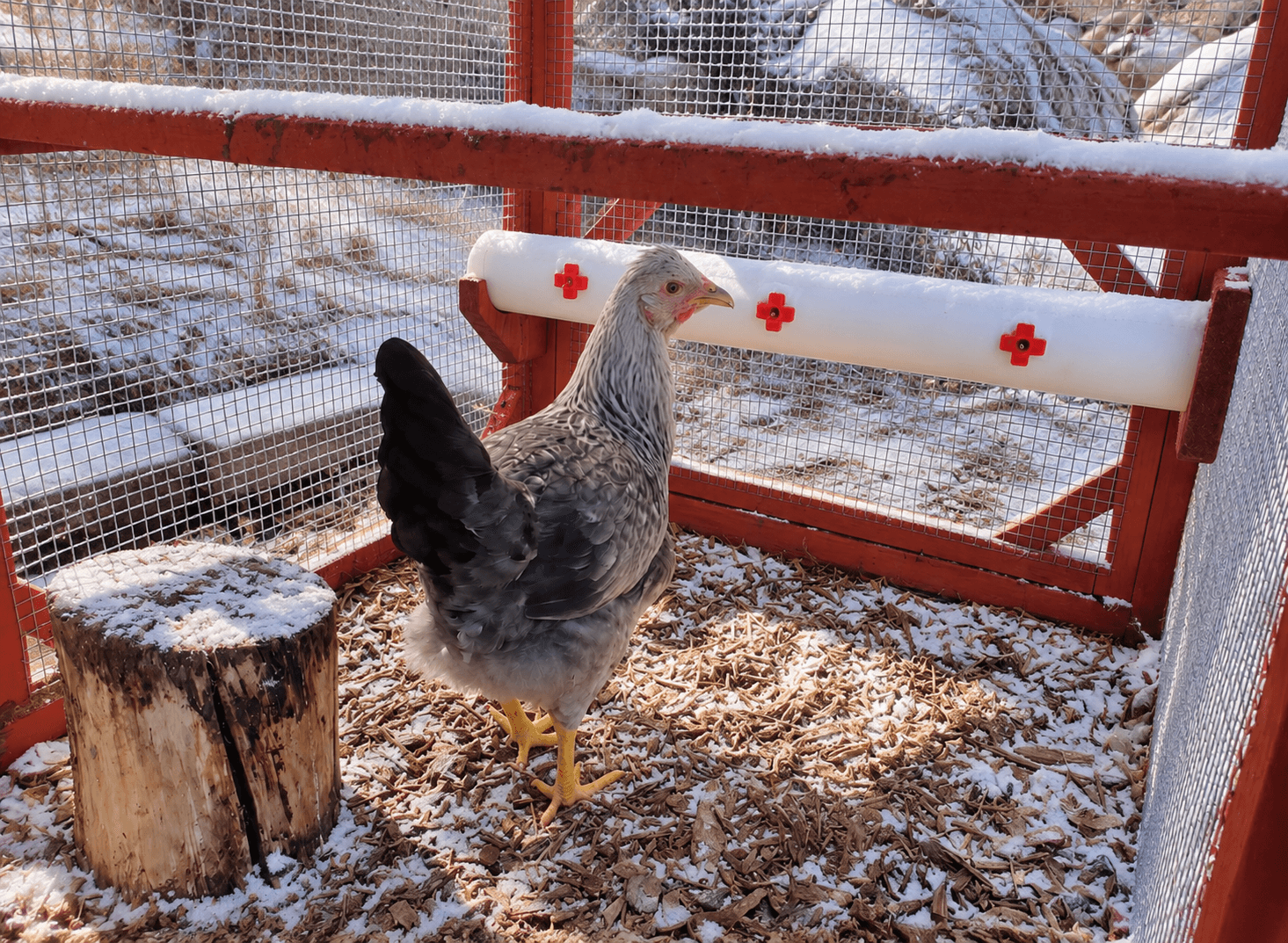
Winter brings plenty of challenges for backyard chicken keepers, but dealing with frozen water can be one of the most frustrating. When temperatures drop below freezing, your chickens' water can turn into a block of ice overnight, leaving your flock without access to the fresh water they need. Luckily, figuring out how to keep chicken water from freezing doesn't have to be complicated, and there are several simple solutions to make winter chicken care easier.
Knowing how to keep chicken water from freezing is an important part of preparing your coop for winter. Whether you're dealing with occasional freezing temperatures or weeks of below-zero weather, there are several ways to keep your flock's water accessible.
The good news? You don't need an expensive setup or a fully heated chicken coop to solve the problem.
From heated waterers to simple tricks that don't require electricity, we're breaking down five practical ways to keep your chickens hydrated all winter long.
Why Keeping Chicken Water From Freezing Matters
Chickens need consistent access to clean, fresh water throughout the year, even when temperatures are well below freezing.
Water is just as important during winter as it is during summer. Chickens rely on water for digestion, temperature regulation, and egg production. Without enough water, hens may eat less, become dehydrated, and experience a drop in egg production.
The challenge is that water can freeze quickly, especially when temperatures drop overnight or waterers are exposed to wind.
Learning how to keep chicken water from freezing helps ensure your flock stays hydrated without requiring you to constantly break apart ice or refill frozen containers.
Fortunately, there are several solutions depending on your climate, coop setup, and whether you have access to electricity.
1. Use a Chicken Water Heater
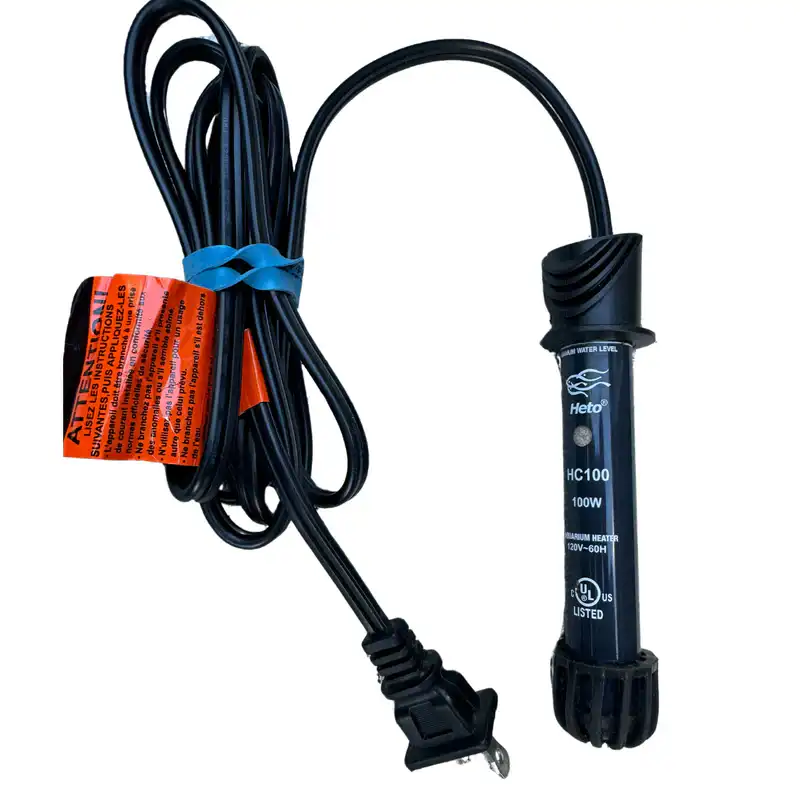
If you live somewhere that regularly experiences freezing temperatures, one of the easiest solutions is to use a heated waterer or water heater.
A chicken water heater is designed to help prevent water from freezing, reducing the amount of time you spend checking waterers and breaking up ice.
Instead of replacing frozen water multiple times a day, a compatible heater helps maintain access to liquid water during cold weather.
This is especially helpful for chicken keepers who live in northern climates where freezing temperatures can last for weeks or even months.
Why We Recommend a Water Heater
- Helps prevent ice from forming in your chickens' drinking water.
- Reduces the need to refill frozen waterers throughout the day.
- Provides a convenient solution for extended freezing temperatures.
- Makes winter chicken care easier for busy flock owners.
For anyone researching the best way to keep chicken water from freezing, a purpose-built water heater is one of the most reliable options when electricity is available.
Just be sure to follow the manufacturer's instructions, use a compatible waterer, and keep electrical connections protected from moisture.
2. Move Your Chicken Waterer Out of the Wind
Sometimes, where you place your waterer can make a difference in how quickly it freezes.
While moving water into a sheltered area won't prevent freezing indefinitely, protecting it from cold winds and direct exposure to the elements can help reduce heat loss.
Wind can accelerate cooling when water is warmer than the surrounding air, especially in exposed containers.
If you're wondering how to keep water from freezing in chicken coop setups, start by looking at where your waterer is currently located.
Tips for Better Waterer Placement
- Position waterers in a sheltered section of your chicken run.
- Keep containers away from areas exposed to strong winds.
- Place waterers where they receive some natural sunlight during the day.
- Avoid putting water directly beneath roosting bars where droppings can contaminate it.
You can also place your waterer inside the coop if there's enough room and you can keep the surrounding bedding dry.
However, water inside a coop can increase moisture levels, particularly if chickens spill it. Excess moisture is something you want to avoid during winter because it can contribute to condensation and frostbite risk.
A covered, wind-protected run is often a better option.
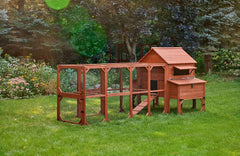
If you're planning a new backyard chicken setup, choosing a coop with a secure, spacious run can make it easier to create a protected area for feeding and watering throughout the year.
Remember, sheltering your waterer may slow the freezing process, but it won't keep water liquid forever when temperatures remain below freezing.
3. Use a Heated Dog Bowl
Here's a winter chicken-keeping trick you might not have considered: a heated dog bowl!
Although they're designed for pets, heated outdoor dog bowls can also work well for backyard chickens, especially if you have a smaller flock.
These bowls have built-in heating elements that help prevent the water from freezing when temperatures drop.
They're generally easy to use. Simply fill the bowl with water, plug it into a suitable outdoor electrical outlet, and place it somewhere your chickens can access.
Things to Consider Before Using a Heated Dog Bowl
- Choose an outdoor-rated bowl. Not all heated pet bowls are designed for outdoor use, so check the manufacturer's specifications.
- Keep it clean. Open bowls can collect bedding, dirt, and droppings more easily than enclosed chicken waterers.
- Watch for spills. Chickens may step into or tip over lightweight bowls, so choose a stable design.
- Protect electrical cords. Keep cords away from curious chickens and moisture, and follow the manufacturer's electrical safety instructions.
A heated dog bowl can be a convenient solution for small backyard flocks, but it may require more frequent cleaning and refilling than a traditional chicken waterer.
If you're looking for how to keep chicken water from freezing without investing in a specialized poultry watering system, this is another option worth considering.
Anne’s Take: Anne here, from the Chicken Coop Company! When I had both chickens and ducks, I used a heated dog bowl throughout the winter. Ducks need water deep enough to submerge their bills, so this was a simple solution that worked great for both my chickens and ducks!
4. Use Insulation to Slow Down Freezing
Another option is insulating your water container to help it retain heat longer.
Insulation doesn't generate heat, but it can slow the rate at which water loses warmth to the surrounding air.
This can be particularly useful in areas where temperatures dip below freezing overnight but rise again during the day.
Simple Ways to Insulate a Chicken Waterer
- Place the water container inside a larger insulated enclosure while keeping the drinking area accessible.
- Use an insulated, poultry-safe waterer designed for cold weather.
- Keep waterers off frozen ground using a stable, moisture-resistant platform.
- Start with fresh, slightly warm water to delay freezing.
If you build your own insulated waterer enclosure, make sure chickens can't reach or peck at exposed insulation materials. Also, avoid creating a setup that can tip over or trap moisture around the drinking area.
For chicken keepers researching how to keep chicken water from freezing in winter, insulation can be a helpful addition to other methods, especially when paired with a sheltered location. While insulation isn't a foolproof solution for how to keep chicken water from freezing, it can buy you extra time between water changes.
5. Try Non-Electric Ways to Keep Water From Freezing
If you're wondering how to keep chicken water from freezing without electricity, there are a few simple methods worth trying.
Whether your chickens live in a remote part of your property or you're simply looking for a budget-friendly option, there are several ways to manage frozen water without plugging anything in.
If you're researching how to keep chicken water from freezing without electricity, the most important thing to understand is that these methods generally slow freezing or make ice easier to remove. They won't prevent freezing indefinitely during extended cold weather.
Here are three simple options worth trying.
Use Black Rubber Water Pans
Black rubber livestock pans are popular among chicken keepers because they're durable, flexible, and easy to empty when water freezes.
The dark color can absorb sunlight during the day, which may help warm the water slightly when conditions are sunny.
Even better, when ice forms, you can often flex the rubber container to release it instead of spending time chipping away at a frozen plastic waterer.
Choose a shallow, appropriately sized pan that your chickens can drink from safely.
Try a Floating Ball
Some chicken keepers place a floating ball in an open water container to help disturb the surface as the ball moves.
In mild freezing conditions, movement from wind may delay the formation of a continuous layer of surface ice.
However, this trick has limitations. In calm weather or sustained freezing temperatures, the water will still freeze.
It's worth experimenting with during occasional cold snaps, but it shouldn't be your only watering strategy.
Rotate Waterers Throughout the Day
One of the simplest methods is keeping a second waterer ready to go.
Fill one container with fresh water while the other is thawing indoors. Swap them as needed so your chickens always have access to liquid water.
For milder winter days, morning and evening changes may be enough. During extreme cold, you'll likely need to check and replace water much more frequently.
If you're figuring out how to keep chicken water from freezing on a budget, rotating flexible rubber pans or spare waterers is an inexpensive place to start.
What About Heating Your Chicken Coop During Extreme Cold?
For most backyard flocks, heating the entire chicken coop isn't necessary.
Many cold-hardy chicken breeds tolerate freezing temperatures surprisingly well when they have a dry, draft-protected roosting area with proper ventilation.
However, chicken keepers living in areas with prolonged extreme cold may consider supplemental heat for certain situations.
A coop panel heater can provide supplemental warmth without the exposed high-temperature bulb associated with traditional heat lamps.
Panel heaters are generally a safer alternative to heat lamps when installed and operated correctly, but they still require proper electrical safety precautions.
Does a Coop Heater Keep Water From Freezing?
A panel heater may help moderate temperatures in a small area, but it shouldn't be relied on to prevent drinking water from freezing unless the specific setup is designed and verified to maintain above-freezing water temperatures.
If your main goal is figuring out how to keep chicken water from freezing, a dedicated water heater is usually a more direct and efficient solution.
Supplemental coop heat is better considered separately, based on your chickens' needs and your local winter conditions.
Most healthy, fully feathered, cold-hardy adult chickens don't need additional coop heat. Keeping their shelter dry, ventilated, and protected from drafts is generally more important.
We never recommend traditional heat lamps in chicken coops because of their fire risk.
What NOT to Do When Keeping Chicken Water From Freezing
There are plenty of winter chicken-keeping tricks circulating online, but not all of them are effective or safe.
When researching how to keep chicken water from freezing, it's just as important to know which methods to avoid.
Don't add salt to your chickens' drinking water.
Saltwater freezes at a lower temperature than freshwater, but adding salt to your flock's water is not a safe solution. Chickens are sensitive to excessive sodium, and their drinking water should remain fresh and clean.
Don't rely on hot water to stay liquid all day.
Starting with warm water may delay freezing temporarily, but it will eventually cool and freeze if temperatures remain below 32°F.
Don't use heat lamps to warm waterers.
Heat lamps can create serious fire hazards, particularly around bedding, feathers, dust, and other combustible materials commonly found inside chicken coops.
Don't assume your chickens can eat snow instead of drinking water.
While chickens may occasionally peck at snow, it isn't a reliable substitute for accessible drinking water.
Don't forget to check your waterer.
Even heated systems can experience power outages, equipment failures, or ice buildup in exposed drinking areas.
Regular checks are still essential.
How Often Should You Check Chicken Water in Winter?
Even after you've figured out how to keep chicken water from freezing, checking your flock's water supply should remain part of your daily routine.
During mild winter weather, checking water in the morning and evening may be sufficient if it remains accessible throughout the day.
When temperatures drop significantly below freezing, more frequent checks may be necessary, especially if you're using a non-electric watering system.
Make sure to check for:
- Ice forming on the water's surface or inside drinking ports.
- Frozen nipples or watering cups.
- Empty or tipped-over containers.
- Dirty water that needs replacing.
- Malfunctioning heating equipment.
One important detail to remember is that a water heater may keep the main reservoir liquid while exposed nipples, cups, or drinking openings still freeze.
Take a few seconds to confirm that your chickens can actually access the water, rather than simply checking whether the container contains liquid. Even when you've found a reliable method for how to keep chicken water from freezing, regular checks are important to make sure your flock always has access to fresh water.
What's the Best Way to Keep Chicken Water From Freezing?
The answer depends on your climate, budget, and coop setup.
For areas with occasional freezing temperatures, sheltered waterers, black rubber pans, and rotating fresh water throughout the day may be enough.
For chicken keepers dealing with weeks or months of freezing temperatures, a dedicated heated watering system is generally the most convenient and dependable choice.
Here's a quick comparison:
| Method | Best For | Electricity Needed? |
|---|---|---|
| Chicken water heater | Regular freezing temperatures | Yes |
| Sheltered waterer placement | Reducing exposure to wind | No |
| Heated dog bowl | Small backyard flocks | Yes |
| Insulated water container | Mild freezes and overnight cold | No |
| Non-electric waterer methods | Coops without electricity | No |
The best winter watering setup is one that provides reliable access to clean water without adding unnecessary moisture or safety risks to your coop.
Keep Your Chickens Hydrated All Winter Long
Winter chicken keeping doesn't have to mean breaking ice out of waterers every morning.
Once you understand how to keep chicken water from freezing, you can choose a setup that works for your climate, your flock, and your daily routine.
For some chicken keepers, that might mean using a black rubber pan and swapping water throughout the day. For others, especially those dealing with harsh northern winters, investing in a dedicated water heater can make daily chicken care significantly easier.
Whatever method you choose, the goal is the same: keeping fresh, clean water available to your flock, even when the temperatures drop.
Looking for a simpler way to manage winter watering? Explore our chicken water heater and spend less time dealing with frozen water this winter.
Water Heater for Chicken Waterer
$ 29.99
The Chicken Coop Company water heater by Heto is a fully submersible water heater. It provides 100 watts of heating power to keep the water flowing for your flock. The heater can be placed vertically into your waterer as shown… read more

FAQs
How do you keep chicken water from freezing without electricity?
If you don't have electricity near your coop, try using black rubber water pans, placing waterers in sunny, sheltered areas, or rotating fresh water throughout the day. These methods can slow freezing or make ice easier to remove, but you'll need to check water frequently during freezing temperatures.
What is the best way to keep chicken water from freezing?
A heated chicken waterer or a compatible water heater is generally the most reliable solution for consistently freezing temperatures. These devices help prevent ice buildup and reduce the need to replace frozen water throughout the day.
Can you put salt in chicken water to keep it from freezing?
No. While salt lowers the freezing point of water, adding it to your chickens' drinking water can be harmful. Chickens are sensitive to excessive sodium, so always provide fresh, clean water without added salt.
Will a heated dog bowl work for chickens?
Yes! Outdoor-rated heated dog bowls can be a great option for small backyard flocks. They help keep water from freezing, but because they're open containers, they may require more frequent cleaning to remove bedding, dirt, and droppings.
How often should you change chicken water in winter?
Chickens should have access to fresh, unfrozen water throughout the day. Check water at least morning and evening, and more frequently during extreme cold. If you're using a heated waterer, continue checking for frozen drinking ports, dirt, and equipment problems.