
Table of Contents
- Why Do Chickens Lay Fewer Eggs in the Winter?
- Do Chickens Lay Eggs in the Winter Without Extra Light?
- How Much Light Do Chickens Need to Lay Eggs?
- Do Chickens Lay Eggs in the Winter When It Gets Really Cold?
- What Temperature Is Too Cold for Chickens to Lay Eggs?
- What Months Do Chickens Not Lay Eggs?
- How Many Eggs Will a Hen Lay in Winter?
- Should You Use Artificial Light for Winter Egg Production?
- How Can You Support Egg Production During Winter?
- When Should You Worry About a Drop in Egg Production?
- The Bottom Line
- FAQs
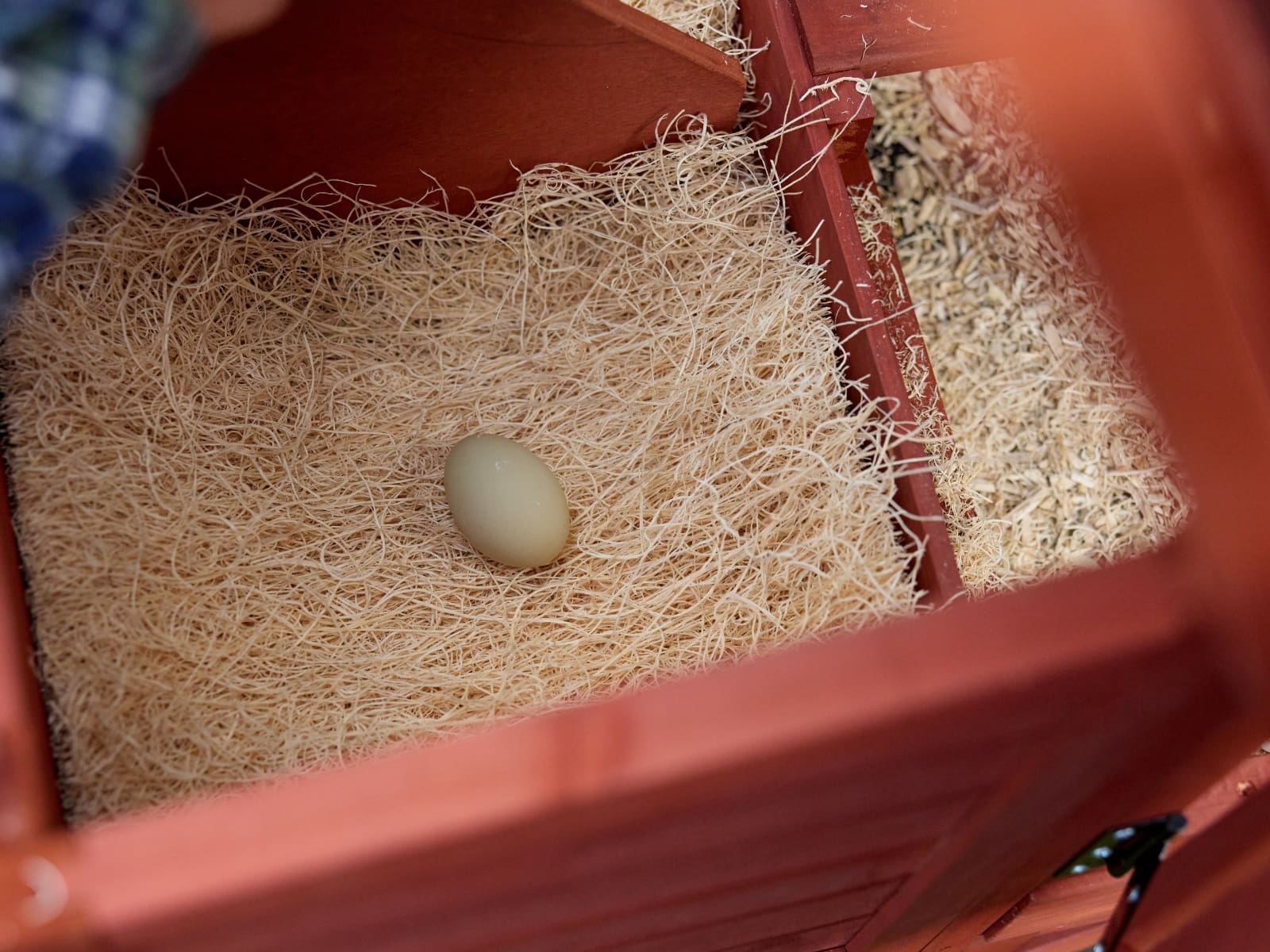
Do chickens lay eggs in the winter? Yes, chickens can continue laying eggs throughout the winter, but it is completely normal for egg production to slow down or even stop for a period of time. The biggest reason is usually not the cold itself, but the shorter daylight hours that come with the season.
If you have ever walked out to the coop on a cold morning only to find another empty nesting box, you are definitely not alone. For many backyard chicken keepers, the transition from a basket full of eggs in summer to just a few eggs each week can feel pretty dramatic. If you’re wondering do chickens lay eggs in the winter because your nesting boxes suddenly seem empty, shorter days are often the biggest reason for the change.
But a winter slowdown usually does not mean something is wrong with your flock.
Understanding why do chickens lay eggs in the winter at different rates starts with looking at daylight, age, breed, and seasonal changes, which can all influence how many eggs your hens produce. Understanding what is normal can help you support your flock through the colder months without worrying every time you come back from the coop empty-handed.
Why Do Chickens Lay Fewer Eggs in the Winter?
To understand the answer to “do chickens lay eggs in the winter?” it helps to understand what triggers egg production in the first place.
A hen’s reproductive cycle is closely tied to daylight. As the days get shorter in fall and winter, the reduced amount of light affects the hormones involved in egg production. This is why many chicken keepers notice production beginning to drop before truly cold winter weather even arrives.
For consistent egg production, laying hens generally need around 14 to 16 hours of light each day. When natural daylight falls below that range, production may decrease significantly.
That means a 20-degree winter day does not automatically tell a hen to stop laying. The fact that there may only be nine or ten hours between sunrise and sunset can have a much bigger influence.
Fall also happens to be molting season for many chickens. During a molt, chickens shed old feathers and grow new ones. Producing all those new feathers takes energy and nutrients, so egg production often slows dramatically or stops while the bird puts its resources toward feather growth instead.
Put shorter days and molting together, and suddenly that nearly empty winter egg basket makes a lot more sense. So, do chickens lay eggs in the winter even with fewer daylight hours? They can, but production will often be lower than it is during spring and summer.
Do Chickens Lay Eggs in the Winter Without Extra Light?
Absolutely. Some hens will continue laying throughout winter without any supplemental light.
That does not mean they will maintain their peak summer production, though.
How much a hen lays depends on several factors, including her breed, age, individual genetics, health, whether she has recently molted, nutrition, stress levels, and the amount of natural daylight she receives.
A young hen in her first laying season may continue producing fairly regularly through winter, while an older hen may take a much longer seasonal break. Some breeds are also known for being more consistent layers than others.
This is why two backyard flocks living in the exact same climate can have very different winter egg production.
If your hens are healthy, eating normally, drinking, active, and otherwise behaving like themselves, a seasonal reduction in eggs is generally nothing to panic about.
How Much Light Do Chickens Need to Lay Eggs?
If egg production is your goal, light is one of the most important factors to understand.
Laying hens are commonly managed with approximately 14 to 16 total hours of light per day for consistent production. Penn State Extension recommends 14 to 16 hours for laying flocks and cautions against providing adult birds with more than 16 hours of light per day. When answering do chickens lay eggs in the winter, daylight is one of the most important pieces of the puzzle.
During spring and summer, nature does most of that work for you. During winter, it is a different story.
Depending on where you live, your flock may receive several fewer hours of natural daylight than it does during the height of summer. As those daylight hours disappear, egg production can fall with them.
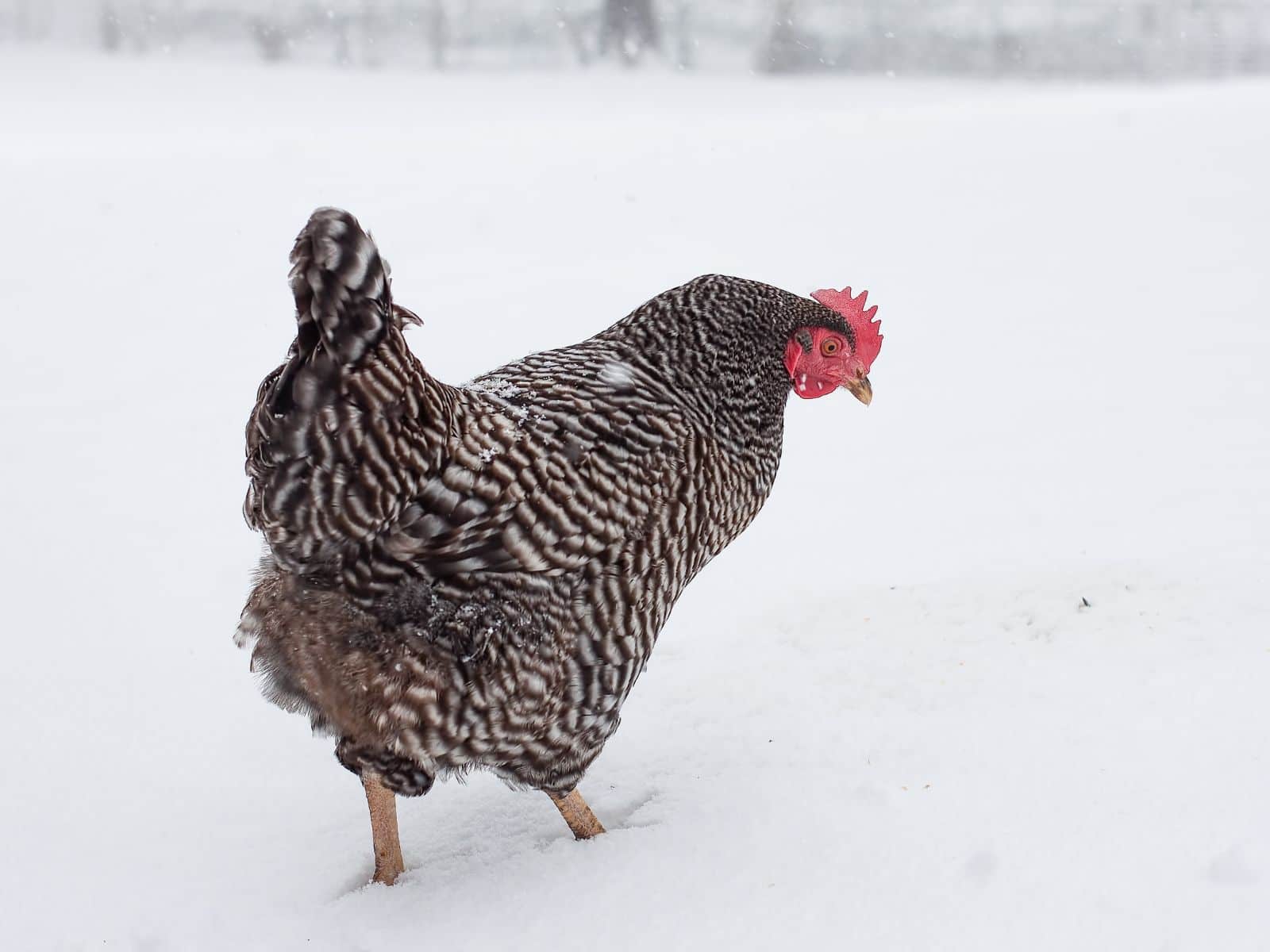
Some chicken keepers choose to let their hens follow that natural seasonal cycle. Others decide to supplement daylight with artificial lighting in the coop to encourage more consistent winter egg production.Neither approach has to be the universal answer for every backyard flock.
If you do choose to add artificial light, consistency and safety matter. A timer can be used to add light in the early morning before sunrise rather than suddenly extending the evening. Morning supplemental lighting allows the natural sunset to signal to chickens that it is time to return to the roost.
This is also where artificial light can make maintaining a consistent schedule much easier.
Not sure if supplemental light is right for your flock? Read our guide, Using Artificial Light to Help Chickens Lay Eggs: Let’s Talk About It, for a closer look at the pros, considerations, and whether it makes sense for your chickens.
Do Chickens Lay Eggs in the Winter When It Gets Really Cold?
Yes, but extreme weather can still affect your flock.
There is not one magic outdoor temperature at which every chicken suddenly stops laying. Chickens vary considerably by breed, age, health, acclimation, housing, and other conditions.
Cold weather can, however, increase the amount of energy a chicken needs to maintain its body temperature. The University of Minnesota Extension notes that feed intake can increase during cold weather, which makes reliable access to a balanced diet especially important.
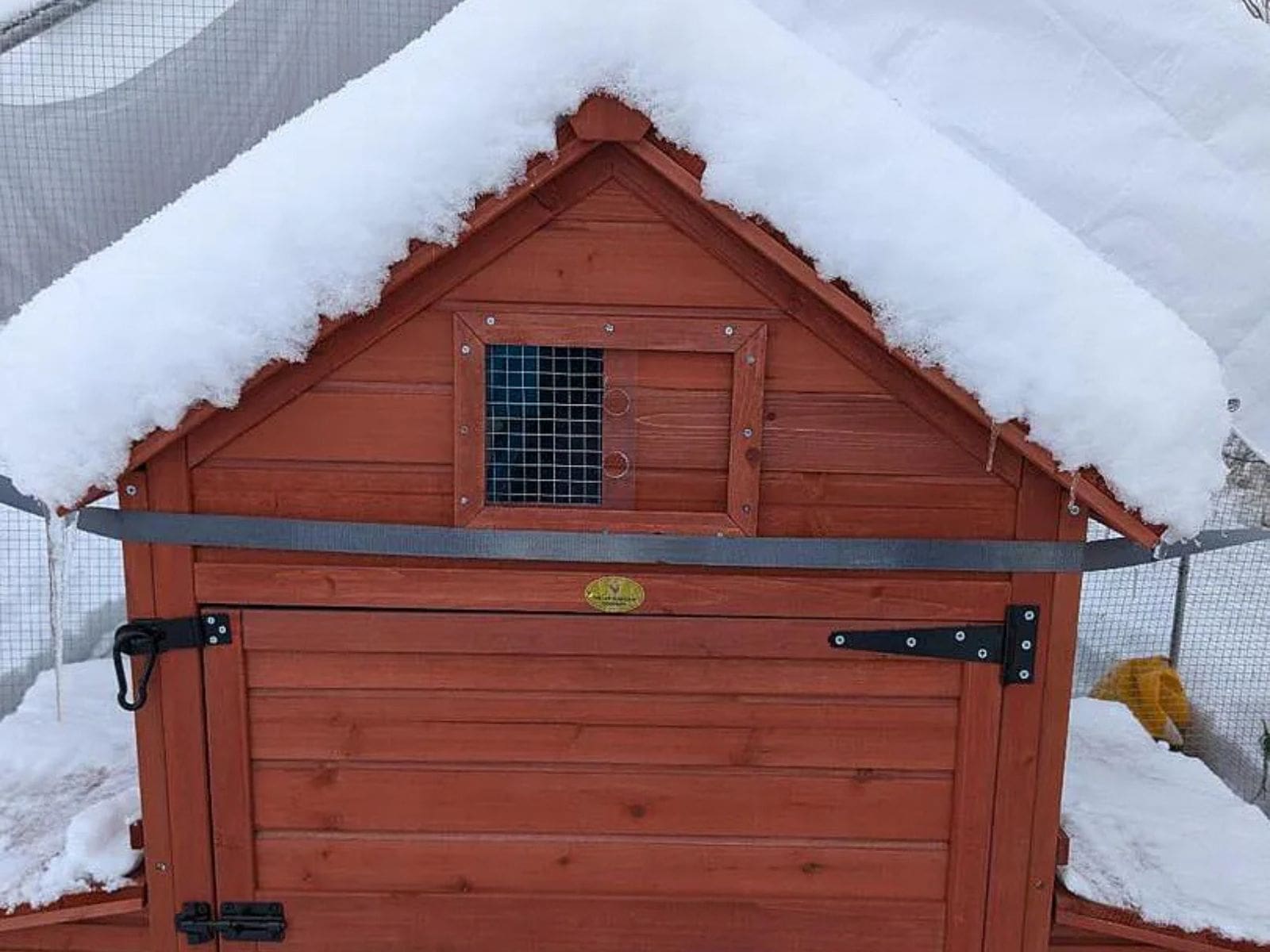
Your goal should not simply be to keep the coop as warm as possible. A dry, well-ventilated coop that protects chickens from drafts and severe weather is an important part of winter flock care.
Ventilation is especially important because chickens create moisture through breathing and manure. Sealing a coop tightly in an attempt to trap heat can allow moisture and ammonia to build up inside.
In other words, think dry and draft-protected rather than trying to turn your chicken coop into your living room.
What Temperature Is Too Cold for Chickens to Lay Eggs?
There is no universal temperature that is “too cold” for egg laying.
A cold-hardy hen may continue laying through temperatures that cause another bird’s production to slow. A younger hen may continue laying while an older flock mate takes the winter off. A healthy, well-acclimated flock may respond differently than chickens dealing with stress or illness.
This is another reason the question “do chickens lay eggs in the winter?” cannot be answered based on temperature alone.
Instead of watching the thermometer solely to predict eggs, pay attention to your chickens themselves.
- Are they active?
- Are they eating and drinking normally?
- Is the coop staying dry?
- Are their combs and wattles looking healthy? Are they maintaining body condition?
- Are there signs of illness, parasites, or unusual behavior?
Those observations tell you much more about how your flock is handling winter. Extremely cold temperatures can also create another problem: frozen eggs.
Fresh eggs contain a lot of water, and eggs left in freezing conditions can freeze and crack. A cracked shell can allow bacteria to enter, so cracked frozen eggs should be discarded.
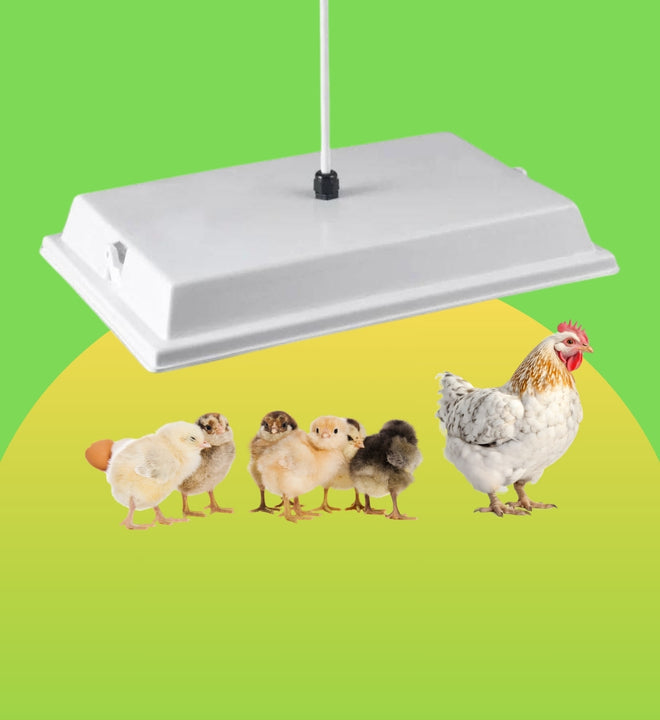
During very cold weather, check nesting boxes and collect eggs more frequently whenever possible. If your coop gets below freezing temperatures and you want to add a little warmth to the coop, we recommend using a Radiant Coop Heater, do not use a heat lamp as it can cause fires!
Chicken Coop Heater - Energy Efficient Radiant Heat - 3 Year Warranty
$ 114.99
Product Description: The Big Chicken Co. Coop Heater and brooder heater is a perfect solution to keep your chickens warm and safe during the cold months of the year. This chicken house heater for sale has been designed with both… read more
What Months Do Chickens Not Lay Eggs?
There is no specific month when all chickens stop laying.
For many backyard flocks in the United States, production begins decreasing sometime in fall as daylight gets shorter. Molting often occurs around the same period, making the change even more noticeable.
Depending on your flock and location, the slowest egg production may occur during late fall and early winter when days are shortest.
Then something encouraging happens: the days begin getting longer again.
Even if it still feels very much like winter outside, increasing daylight can gradually stimulate laying again as you head toward spring.
So if your egg basket seems unusually empty in December or January, you may simply be seeing your flock's natural seasonal rhythm.
For more information about how production changes throughout a hen’s life, read our guide to How Long Do Chickens Lay Eggs?.
How Many Eggs Will a Hen Lay in Winter?
There is no single number that applies to every hen.
A hen that lays five or six eggs per week during peak production may drop considerably during winter. Another might stop altogether during a molt and begin again later in the season. Young birds in their first year may surprise you by laying much more consistently than older flock members.
Breed matters, too.
Some breeds have been selected for high egg production, while others naturally lay fewer eggs throughout the year. Age also matters because egg production generally declines as hens get older.
Instead of expecting a specific number of winter eggs per chicken, it can be more helpful to learn what is normal for your individual flock.
If you have kept chickens for several years, you may even start noticing patterns. That hen who keeps your egg basket going every December? She might do the same thing next year. The older girl who clocks out as soon as the days get short? She may be taking another well-earned winter vacation.
That’s why the answer to do chickens lay eggs in the winter can look completely different from one backyard flock to another.
Should You Use Artificial Light for Winter Egg Production?
When people ask us “do chickens lay eggs in the winter?”, this is often the next question.
Supplemental lighting can encourage more consistent winter egg production by extending the amount of light hens receive each day. Penn State Extension notes that insufficient winter light can decrease or stop egg production and recommends a gradual, consistent lighting program when artificial light is used.
But supplemental lighting is a management choice, not something every backyard chicken keeper has to do.
Some people want a more reliable egg supply throughout the year. Others are perfectly happy to allow their hens to slow down naturally during winter and resume stronger production as daylight increases.
If you decide to supplement light, avoid leaving a coop brightly lit around the clock. Chickens still need a period of darkness to rest, and more light is not necessarily better. Penn State recommends no more than 16 hours of light for mature laying hens.
If you are going to add light, a predictable timer is much better than switching lights on and off at random.
How Can You Support Egg Production During Winter?
Whether or not you decide to use supplemental light, good winter flock care starts with the basics.
First, make sure your chickens have constant access to fresh water. Frozen water is one of the most frustrating parts of winter chicken keeping, but chickens still need dependable access to water every day.
Next, keep feeding a complete, balanced ration appropriate for your laying flock. Winter is not the time to replace nutritionally balanced feed with large amounts of treats or scratch grains.
Your hens are using energy to stay warm, maintain their bodies, and potentially finish growing new feathers after a molt. Good nutrition gives them the foundation they need.
Keep nesting boxes clean and dry as well. Refresh soiled bedding, check frequently for frozen eggs, and make sure hens have a comfortable place to lay.
Finally, pay attention to the overall condition of your coop. Good ventilation, dry bedding, protection from drafts at roost level, predator protection, and reliable food and water all matter more than trying to force your flock to produce a certain number of eggs.
When Should You Worry About a Drop in Egg Production?
Knowing that winter production decreases does not mean every drop in egg laying should automatically be blamed on the season.
If the change seems sudden or is accompanied by other symptoms, take a closer look.
Watch for changes in appetite or water consumption, lethargy, abnormal droppings, weight loss, pale combs, respiratory symptoms, parasites, unusual feather loss, or changes in behavior.
Stress can also affect laying. Predator activity around the coop, flock changes, overcrowding, illness, and other environmental changes can all contribute.
You should also make sure there is not a simpler explanation for your disappearing eggs. Occasionally, hens start laying somewhere other than their usual nesting boxes. Predators can steal eggs, and in some cases chickens themselves can develop egg-eating habits.
Winter may be the most obvious explanation, but it is worth looking at your entire flock and setup if something feels unusual.
The Bottom Line
So, do chickens lay eggs in the winter? Yes. Many hens continue laying during winter, but fewer eggs are completely normal as daylight hours decrease.
Your flock may slow down a little, slow down a lot, or take a temporary break altogether.
Rather than focusing only on how many eggs are in the nesting box, use winter as a time to pay attention to the bigger picture: healthy birds, good nutrition, clean water, a dry and well-ventilated coop, and a secure place for your flock to spend those long winter nights.
If having eggs throughout winter is important to you, supplemental lighting can be used to provide a consistent 14 to 16 hours of total daily light. If you would rather allow your flock to follow the seasons naturally, that is an option too.
And if your egg basket is looking a little emptier than usual? Your hens may simply be doing exactly what chickens have always done when the days get short. “Ultimately, the answer to do chickens lay eggs in the winter depends on the individual hen, but a seasonal slowdown is a normal part of keeping chickens.
Spring (aka PEAK laying season) will be here before you know it.
FAQs
Do chickens stop laying eggs completely in winter?
Some chickens may stop laying temporarily, while others continue laying at a reduced rate. Daylight, age, breed, molting, nutrition, and individual birds all influence winter production.
How much light do chickens need to lay eggs in winter?
Laying hens are commonly provided around 14 to 16 hours of total light per day for consistent egg production. If using supplemental lighting, avoid exceeding 16 hours and give chickens a consistent period of darkness.
Should I heat my chicken coop to keep hens laying?
Heating a coop solely to increase egg production is generally not the first factor to focus on. Daylight has a major influence on seasonal laying. Prioritize a dry, ventilated coop, protection from drafts, fresh water, proper nutrition, and overall flock health.
Why did my chickens suddenly stop laying eggs in the fall?
Shorter daylight hours and molting often happen around the same time in fall. Both can significantly reduce egg production. Stress, age, nutrition, illness, and parasites can also contribute.
Will chickens start laying more eggs again in spring?
Usually, yes. As daylight hours increase, hens that slowed or stopped during winter will often begin laying more frequently again. Production will still vary based on the hen’s age, breed, health, and individual laying cycle.