Baby chicks are top of mind for a lot of people as late winter rolls into early spring. This is the time of year when hatcheries open ordering windows, social feeds fill with fluffy photos, and the idea of starting a flock suddenly feels very real. It is also when the questions start creeping in. Is it too cold? Do you need everything ready? Are you even starting at the right time?
Every February, we hear the same questions from all kinds of people. Some are first-time chicken keepers who have been dreaming about fresh eggs for years. Others are families who raised chickens once and are ready to start again. Many are simply curious whether this might finally be the year to give it a try.
This guide covers the most common questions we hear each season, with clear answers and just enough detail to help you feel confident without feeling overwhelmed. When it makes sense, we will also point you to more in-depth resources so you can dig deeper at your own pace.
Can You Get Chicks in February?
Short answer: Yes. Many people do, especially through local farm stores or by ordering online.
In many areas, in-person retailers like Tractor Supply begin selling chicks in late February. This is often the first sign for new chicken keepers that chick season has officially started. If you live in a warmer climate, purchasing chicks locally in February can work well, since temperatures are more stable and travel time is short.
Ordering chicks online is also common this time of year, especially if you are looking for specific breeds. Big retail stores typically carry a limited selection, usually focused on popular or fast-growing breeds. If you want heritage breeds, colorful egg layers, or something less common, ordering online gives you far more options.
That said, weather still matters. If you live in a colder region or an area with frequent freezing temperatures, waiting until March is often the safer choice. Chicks are hardy, but extreme cold during transport or immediately after arrival can add unnecessary stress. A short delay can make the experience easier for both you and the chicks.
For warmer regions, February can be a perfectly reasonable time to start. For colder climates, patience often pays off with a smoother start to chick season.
When Should You Get Chicks?
Short answer: The best time to get chicks is when outdoor temperatures will be warm enough by the time they are fully feathered.
Chicks should stay indoors for six to eight weeks before transitioning outside. That means your timing should work backward from when your climate becomes reliably mild. If your spring warms up slowly, ordering too early can extend how long chicks need to stay inside.
For many people, March or April lines up perfectly. This timing allows chicks to grow indoors while the weather improves, then move outside once they are feathered and temperatures are safer. Ordering later in spring can also work, but it may delay egg production slightly since pullets begin laying based on age and daylight.
The key is choosing a timeline that fits your space, your schedule, and your climate rather than rushing to meet a calendar date.
Do You Need Everything Before Getting Chicks?
Short answer: You need a brooder setup, but you do not need a coop immediately.
Before chicks arrive, you should have a brooder or chick starter kit ready. This includes a safe enclosure, heat source, bedding, food, and water. These essentials allow chicks to stay warm, hydrated, and protected during their first weeks.
You do not need a finished coop the day your chicks arrive. However, it is a good idea to have a plan. Chicks grow fast, and six to eight weeks goes by quickly. Knowing where your coop will go and what size you need helps prevent last-minute stress.
Many people use the brooder phase to research coop options, prepare the yard, or assemble a coop while chicks are growing. Planning ahead without pressure is the sweet spot.
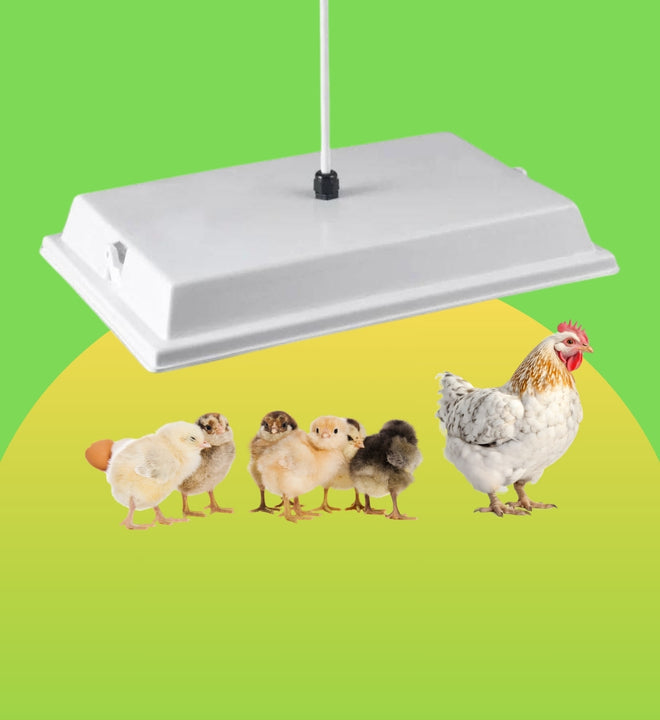
Chicken Coop Heater - Energy Efficient Radiant Heat - 3 Year Warranty
$ 114.99
Product Description: The Big Chicken Co. Coop Heater and brooder heater is a perfect solution to keep your chickens warm and safe during the cold months of the year. This chicken house heater for sale has been designed with both… read more
How Many Chicks Should You Start With?
Short answer: Most people start with three to six chicks.
Chickens are social animals and should never be raised alone. Starting with a small group helps them stay warm, reduces stress, and creates a healthier flock dynamic. Three is usually the minimum, while six gives you a little flexibility if one turns out to be a rooster or does not lay as expected.
Your ideal number also depends on space, local regulations, and how many eggs your household uses. A small group is easier to manage, especially for first-time owners, and still provides plenty of eggs once laying begins.
Starting small gives you room to learn and adjust before expanding later if you choose. Trust me, it won't be long until you add more chickens to the flock!
How Do You Care for Chicks?
Short answer: Warmth, clean water, proper feed, and a safe brooder are the basics.
Chick care centers on consistency. Chicks need a steady heat source, access to fresh water at all times, chick starter feed, and a clean living area. Most problems occur when one of these basics is overlooked.
During the first few weeks, you will check on them often. This does not mean complicated care, but rather small daily habits like refreshing water, adding bedding, and making sure they are comfortable.
For a full breakdown of care from hatch day through the first several months, we recommend reading our detailed guide:
From Hatch to Hen: The Ultimate Chick Raising Guide (Phases 1–4)
This guide walks through each stage in depth so you do not have to guess.
What Is the Ideal Temperature for Chicks?
Short answer: Start at about 95°F during the first week, then lower the temperature gradually each week.
Chicks cannot regulate their body temperature when they are newly hatched. They rely entirely on an external heat source to stay warm. The general rule is to reduce the temperature by about five degrees each week until they are fully feathered.
Watching chick behavior is just as important as checking a thermometer. If chicks are huddled tightly under the heat source, they are cold. If they are spread out and avoiding it, they are too warm. Comfortable chicks move freely and rest calmly.
By the time chicks are fully feathered, they can handle much cooler temperatures and begin transitioning outdoors when conditions allow.
What Do Chicks Eat?
Short answer: Chicks eat chick starter feed and also need clean drinking water.
Chick starter feed is specially formulated to support early growth and development. It contains the right balance of protein, vitamins, and minerals needed during the first weeks of life. This feed should be available at all times.
Water is just as important. Chicks need constant access to fresh, clean water, and containers should be shallow enough to prevent drowning. As they grow, waterers can be adjusted to keep bedding dry and reduce mess.
Treats, scraps, and extras should wait until chicks are older. Keeping their diet simple early on helps prevent digestive issues and keeps growth on track.
If you're looking for a complete kit, we've got you covered here:
Basic Baby Chick Brooder Kit

$ 99.99
Looking for a solution for your chick brooding this Spring? This baby chick brooder kit is perfect. We’ve carefully hand-selected some of our best baby chick products and have bundled them together to create this starter kit. Chick Brooder Heating… read more
Do Chicks Smell?
Short answer: Not if the brooder is set up correctly and cleaned regularly.
This is one of the biggest concerns for people raising chicks indoors. The good news is that chicks themselves do not smell. Odor comes from damp bedding and poor airflow.
Let's be honest, chicks are rapidly growing, which means rapidly eating, drinking, and..well, pooping! The most important factor in deterring small is keeping the brooder clean! By using absorbent bedding, and refreshing soiled areas frequently goes a long way. Many people are surprised by how manageable chicks are when basic maintenance is done daily.
If odor becomes an issue, it usually helps to move the brooder to a space with better airflow and less foot traffic. Many people successfully keep chicks in a garage (as long as the heat source maintains the proper temperature), a basement, or even a guest bathroom. Smell is almost always a sign that bedding needs to be refreshed or ventilation needs improvement, not that chicks themselves are messy.
How Long Do Chicks Stay Inside?
Short answer: Chicks should stay indoors for six to eight weeks, or until they are fully feathered.
Chicks usually stay in a brooder until they can regulate their own body temperature (having all of their feathers!) and outdoor conditions are safe. The exact timing can vary depending on breed, weather, and how quickly they develop.
Some hardy breeds feather faster, while others need a bit more time. Watching feather growth and monitoring nighttime temperatures helps guide the transition.
When the time comes, chicks are usually moved outside gradually, starting with short daytime visits before spending full nights in the coop.
What Is the Lifespan of Chicks?
Short answer: Chickens typically live five to eight years, depending on breed and care.
The chick stage is short, but it is the foundation for a long life. They will start to grow right before your eyes, being fully feathered in just under 8 weeks, and fully grown in about 6 months! Proper nutrition, housing, and health care early on contribute to stronger, longer-lived birds.
When it comes to the longevity of chickens, like other animals it ay depend on the breed. Some are known for longevity, while others are bred primarily for egg production and may have shorter lifespans. Regardless of breed, attentive care and a safe environment make a big difference over time.
While the chick phase can seem tedious and time-consuming, they will only continue to get easier as they grow. Don’t forget to spend time handling them during the chick phase. Gentle, regular interaction helps them grow into adults that are comfortable around you and understand you’re safe. While chickens are a long-term commitment, they are so rewarding to have!


.png)