
Table of Contents
Quick answer
Most baby chick health problems — pasty butt, failure to thrive, splayed leg, and chick lethargy — are caused by temperature stress, poor nutrition, or brooder overcrowding, and most are completely preventable with proper setup. Check your brooder temperature daily, keep the waterer clean, watch for pasty butt in the first week, and separate any chick that is being pecked immediately.
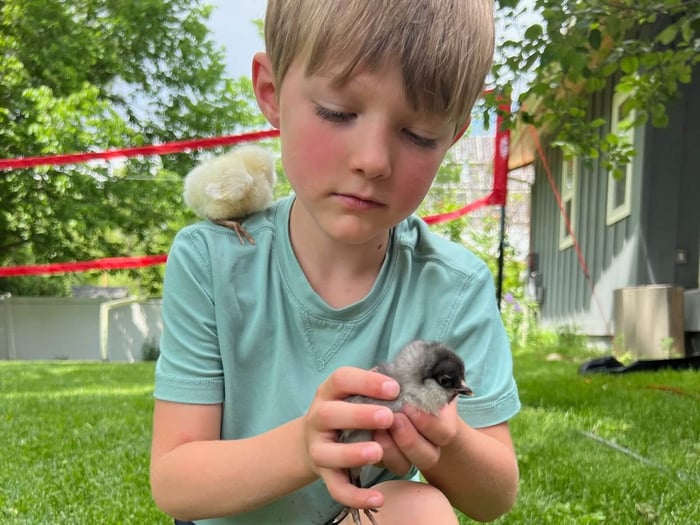
Baby chick care is not about perfection. It is about providing a clean, warm, calm environment and knowing which signs are part of normal adjustment versus when something needs attention. Besides, bringing home baby chicks is exciting! Whether your chicks arrive by mail or come home from a local feed store, those first few days may feel high-stakes. Tiny movements, strange noises, and unexpected messes can send new chicken keepers straight to Google.
Here’s the good news. Most early chick issues are preventable, manageable, and very common. This guide walks through the most common issues in baby chick care, why they happen, and what you can do to prevent or address them without panic.
The Role of Environment in Early Chick Health
Many early chick problems are not random or mysterious. They are often caused by small environmental issues that add up quickly in a brooder. This is not meant to scare you, but it does highlight why daily brooder checks matter.
Brooder Temperature
Temperature is one of the most important factors in baby chick care. Chicks cannot regulate their own body temperature at first, so they rely entirely on their environment.
If the brooder is too cold, chicks may huddle tightly together, become lethargic, and are more likely to develop pasty butt or fail to thrive. Prolonged cold can lead to death.
If the brooder is too hot, chicks may pant, spread their wings, avoid the heat source, and become dehydrated. Dehydration is especially dangerous in the first 48 hours.
A consistent heat source, proper thermometer placement, and observing chick behavior are more reliable than relying on numbers alone.
Hygiene and Space
Cleanliness plays a major role in preventing illness. Damp bedding, overcrowding, and poor airflow create ideal conditions for bacteria and parasites.
Best practices include:
Changing bedding regularly
Keeping waterers from spilling
Avoiding overcrowding as chicks grow
Ensuring adequate ventilation without drafts
A clean brooder reduces stress, supports immune development, and lowers the risk of infection.
Nutrition and Support
Chicks need fresh, age-appropriate chick starter feed. Feed that is old, damp, or improperly stored can lead to nutritional deficiencies.
Weak or stressed chicks may benefit from temporary vitamin or electrolyte support, especially after shipping or temperature stress. These supplements are not a replacement for good feed but can help chicks recover during high-stress moments.
Dehydration
Dehydration is one of the most important issues to watch for during the first days with new chicks. It is most commonly associated with shipped chicks, but it can also happen when chicks are brought home from a feed store. Any change in environment, temperature, or routine can cause stress that leads to reduced water intake.
Chicks that have been shipped may arrive tired, weak, and slightly dehydrated after spending hours in transit. Chicks from a store may not drink right away simply because they are adjusting to a new brooder, new waterer, and unfamiliar surroundings.
Common signs of dehydration include:
Lethargy or a drooping posture
Closed or partially closed eyes
Weakness or difficulty standing
Little interest in food
For shipped chicks, dehydration often occurs because they have gone extended periods without water. Temperature changes, movement, and general stress all contribute to fluid loss. This is a known risk of shipping and does not mean something went wrong, but it does require prompt attention.
For store-bought chicks, dehydration usually happens when chicks do not immediately recognize where the water source is or are hesitant to drink in a new space.
How to Help Rehydrate Chicks
As soon as chicks arrive home, it is important to show them where the water is. A simple and effective method is to gently dip each chick’s beak into the water so they learn the location of the waterer. This encourages drinking without forcing water into their mouths.
If chicks appear weak, stressed, or sluggish, adding a vitamin and electrolyte solution to the water can help support hydration and energy levels during those first critical hours. While a diluted sports drink can work in an emergency, poultry-specific vitamin and electrolyte supplements are a better option when available.
Fresh water should always be accessible, and waterers should be shallow and stable to prevent spills or drowning.
Supporting proper hydration early on is a foundational part of baby chick care and can make a significant difference in how well chicks settle in and begin to thrive. If you want to be prepared from day one, a baby chick care kit that includes electrolyte support, digestive supplements, and a step-by-step guide can help cover the most common early needs without guesswork.
Pasty Butt
Pasty butt is one of the most common and dangerous issues baby chicks experience. It is also one of the easiest to fix when caught early. Pasty butt occurs when droppings stick to a chick’s vent and harden, creating a blockage. If waste cannot pass, toxins build up in the chick’s body and can lead to death. When it comes to baby chick care, you need to keep an eye out on their little chick butts!
This condition is especially common in:
Newly shipped chicks
Chicks exposed to temperature stress
Chicks experiencing dehydration
Important Note!
If you hatched chicks yourself, day-old chicks may have a small scab near the belly button area from hatching. This scab should not be removed. It will dry up and fall off on its own. Pulling it off can cause serious injury, infection, or even disembowelment. This is not the same as pasty butt, which affects the vent where droppings exit.
How to Check and Treat Pasty Butt
Baby chick care should include daily checks during the first week.
If droppings are stuck, use a small throw-away plastic or paper cup (like a dixie) and place lukewarm water about 1 inch full, then place the chick in the water. It may be scary for you and the chick, but it is vital that you clean this area! Letting the chick soak in the warm water helps to loosen the dried poop up! Some chicks will freak out the whole time, some may drift to sleep in the warmth. You only need to put them in there for 30 seconds up to one minute. After that:
Use warm water and a soft cloth or paper towel to gently loosen the buildup. You can also use a q-tip to gently clean the area in a circular motion.
Never pull dry droppings off, as the skin can tear.
Pat the area dry once cleaned.
Apply a small amount of petroleum jelly or triple antibiotic ointment to prevent future buildup.
Olive oil is not recommended, as it can spoil and irritate the skin. Prompt treatment is critical. Once cleared, chicks often recover quickly.
 Spraddle Leg
Spraddle leg, also known as splay leg, is less common but can be alarming when it occurs. Chicks with spraddle leg have legs that point outward instead of forward, making standing and walking difficult or impossible. Without intervention, the condition can become permanent.
Common Causes
Spraddle leg can result from:
Slick or slippery brooder floors
Weak legs from a difficult hatch
Temperature fluctuations during incubation
Overcrowding
Injury
Vitamin deficiencies
One of the most preventable causes is poor footing. Smooth surfaces like paper towels, plastic liners, or newspaper can cause chicks to lose traction.
Treatment and Correction
Spraddle leg should be addressed immediately. The earlier it is corrected, the better the outcome.
Treatment involves gently restricting the legs into a natural position using a soft brace or hobble. This allows muscles and bones to strengthen correctly as the chick grows.
Chicks treated early often recover fully with no lasting issues.
Coccidiosis
Coccidiosis is the most common cause of death in baby chicks and deserves serious attention without panic.
Coccidiosis is an intestinal disease caused by parasites that thrive in warm, damp environments like brooders. It spreads through droppings and can affect multiple chicks very quickly.
Symptoms to Watch For
Signs of coccidiosis include:
Diarrhea
Blood or mucus in droppings
Lethargy or listlessness
Pale skin
Poor appetite
Failure to grow or thrive
Because symptoms can escalate rapidly, early recognition is critical.
Prevention and Vaccination
Many hatcheries and feed stores offer vaccinated chicks. The coccidiosis vaccine works by building immunity over time rather than providing immediate protection.
Some buyers choose not to vaccinate, but vaccination is strongly recommended, especially for beginners. It significantly reduces the risk of severe outbreaks.
Maintaining a dry, clean brooder and avoiding overcrowding also helps reduce exposure.
Coccidiosis is a major concern in baby chick care, but it is manageable with awareness and good hygiene.
When to Worry and When to Relax
Not every strange behavior signals a serious problem. Chicks sleep often, pile together, chirp loudly, and grow in uneven spurts. These are normal parts of development.
It is time to worry when you see:
Persistent lethargy
Failure to eat or drink
Bloody droppings
Rapid decline in multiple chicks
Inability to stand or walk without improvement
Trust your instincts. If something feels off, checking early is always better than waiting.
Confidence Comes With Experience
Every experienced chicken keeper started exactly where you are now. Baby chick care can feel overwhelming at first, but most issues are preventable and fixable with basic knowledge and daily observation.
A clean brooder, proper heat, fresh water, and quality feed go a long way. Knowing what is normal and what is not helps you respond calmly and confidently. Your chicks do not need perfection. They need consistency, care, and a keeper who pays attention.
And, If you haven't ordered your chicks yet, it's not too late! Order chicks here.
Not sure what breed you want? We've also got you covered. Check out our breed selector to get started.
FAQs
How often should I check my chicks during the first week?
Chicks should be checked multiple times a day during the first week, especially after arrival, to monitor temperature, hydration, and droppings.
Do all shipped chicks need electrolytes?
Not always, but electrolytes are helpful for chicks that appear weak, stressed, or dehydrated after shipping.
Is pasty butt always caused by dehydration?
No! Dehydration is a major factor, but stress, temperature issues, and diet can also contribute.
Can spraddle leg fix itself without treatment?
In some rare cases it may improve slightly, but early intervention greatly improves recovery and prevents permanent damage.
If my chicks are vaccinated, can they still get coccidiosis?
Vaccination builds immunity over time but does not provide instant protection. Clean conditions and proper management are still essential.