
Table of Contents
Quick answer
Before your baby chicks arrive, you need five things ready: a brooder box (cardboard or plastic tote works for small flocks), a heat source at 95°F, chick starter feed (non-medicated or medicated — your choice), a chick waterer with marbles to prevent drowning, and pine shavings bedding. Have everything set up and at temperature for at least an hour before chicks arrive.
There is nothing more exciting than the “your chicks have shipped” email, or picking out which breeds you find at your local ranch supply store. However, there is also nothing more stressful than realizing you are not ready for those chicks to come home!
Every spring, new chicken keepers make the same mistake: they order chicks first and figure out supplies later. The first 48 hours are critical for baby chicks, and scrambling to set up a brooder after they arrive creates unnecessary risk.
That is why a clear baby chick checklist matters.
Whether you are raising chicks for the first time or refreshing your setup for another season, this guide walks you through exactly what to have in place before day one, plus a printable baby chick checklist PDF at the end so nothing gets missed.
Why Preparation Matters More Than You Think
Baby chicks are resilient in the long term, but extremely vulnerable in their first few weeks of life. Some important things to remember:
- They cannot regulate their body temperature.
- They dehydrate quickly.
- They are prone to stress from shipping (to the store or your post office).
- They depend entirely on their environment being correct.
The good news: A well-prepared brooder can eliminate up to 90 percent of early chick problems. The goal of this baby chick checklist is simple: create a stable, warm, clean environment before they ever step foot inside it.
1. The Brooder Setup
Everything starts here.
Your brooder is the temporary home where chicks live for the first 6 to 8 weeks before moving into their coop.
A good brooder must:
Be draft-free
Have proper ventilation
Maintain consistent heat
Be easy to clean
Brooder Container Options
30+ gallon plastic storage tote (budget-friendly and effective)
Metal stock tank
Purpose-built brooder box
Expandable brooder panels
Whatever container you choose, it should allow enough space for chicks to move away from heat if needed. Overcrowding causes stress and pecking issues.
Your brooder should be fully assembled and running for at least 24 hours before chicks arrive. This is a non-negotiable item on any serious baby chick checklist.
2. Heat Source
Chicks cannot regulate their body temperature during their first few weeks of life, so a reliable heat source is essential.
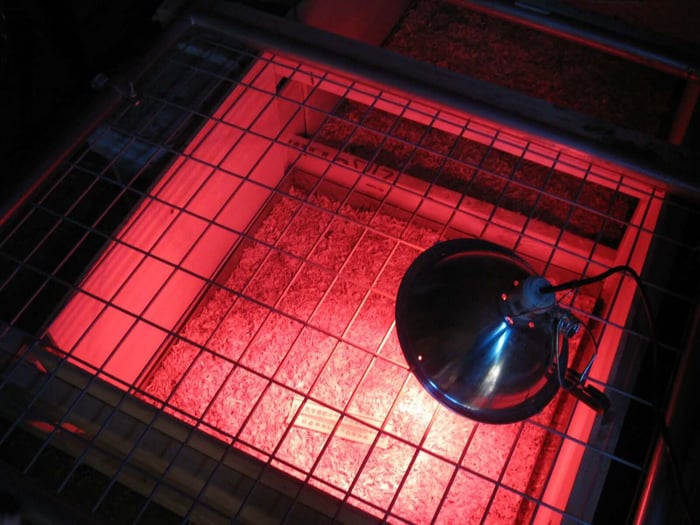
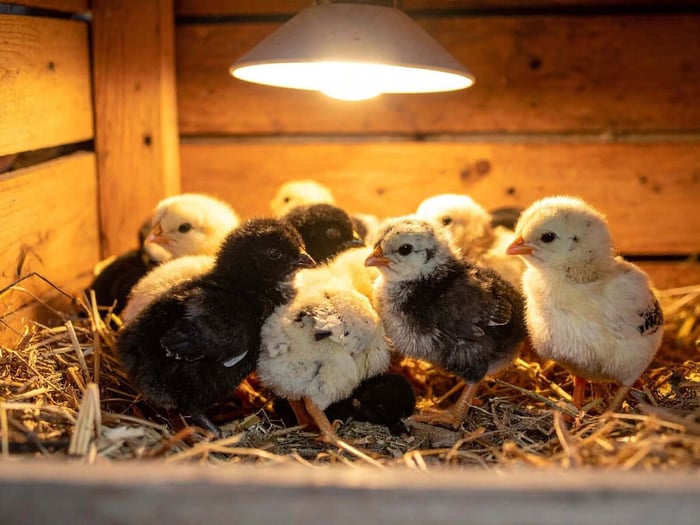
Heat lamps are still commonly used in brooders and can be effective when properly secured and monitored. The key difference is this: heat lamps may be used carefully in brooders, but they should never be used in coops. Coop fires are most often linked to improperly installed or unsecured heat lamps.
If you choose a heat lamp for your brooder:
Secure it with two independent attachment points
Use a guard around the bulb
Keep it well away from bedding
Never leave it hanging by a single clamp
That said, many keepers now prefer radiant heating plates. Heating plates are safer, more energy efficient, and mimic the warmth of a mother hen. Chicks naturally move underneath the plate when they are cold and step away when they are comfortable, allowing them to self-regulate.
Whichever option you choose, temperature consistency is what matters most.
Temperature guidelines:
Week 1: 95°F in the warm zone
Reduce by 5°F each week
Fully feathered by 6–8 weeks
Always include a thermometer in your baby chick checkl
3. Bedding
Your bedding choice affects cleanliness, respiratory health, and odor control.
Best options:
Kiln-dried pine shavings
Hemp bedding (excellent low-dust alternative)
Start with 2–3 inches of bedding. This absorbs moisture and allows chicks to scratch naturally.
Avoid:
Cedar shavings (irritating oils)
Newspaper alone (too slippery, causes leg issues)
Straw or hay (holds moisture and molds quickly)
Bedding may seem simple, but it is one of the most important items on your baby chick checklist.
4. Chick Starter Feed
Chicks need 18–20 percent protein to support rapid growth.
Purchase chick starter before they arrive.
Options include:
Medicated starter (contains amprolium to prevent coccidiosis)
Non-medicated starter (for vaccinated chicks)
If you are unsure whether your chicks were vaccinated, ask your hatchery.
Feed should be stored in a sealed container to prevent moisture or rodent contamination. Clean feed is critical in early development.
5. Chick Waterer
Never use an open bowl.
Chicks can drown in very shallow water, and open containers become contaminated quickly.
Use a small, purpose-built chick waterer with a narrow trough. A 1-quart screw-base waterer works well for small groups.
Clean water daily. Add fresh water at least twice per day in the first week.
Hydration is survival. A proper waterer is a core item on every baby chick checklist.
6. Grit (If Offering Treats)
If chicks are eating only commercial starter feed, grit is not required immediately.
If you plan to offer anything beyond starter — including small greens or treats — chick-sized grit must be provided so they can properly digest food.
This is a commonly overlooked detail in many baby chick checklist articles.
7. Supplements for Shipping Stress
Mail-order chicks often travel 24–72 hours before arrival.
Adding an electrolyte and vitamin supplement to water for the first 2–3 days helps restore hydration and reduce stress.
A probiotic supplement supports gut health and reduces digestive upset.
These are not mandatory, but they are strongly recommended additions to your baby chick checklist, especially in spring when shipping volumes are high.
8. Monitoring Supplies
Keep paper towels and a small cloth nearby.
Check daily for pasty butt, a common early condition where droppings stick to the vent and block elimination. It is easy to treat if caught early.
Preparation prevents panic.
9. Order Your Coop Early
This is where many new chicken keepers fall behind.
Chicks move to the coop around 6 to 8 weeks of age. Spring is peak coop season. Lead times increase fast.
Your coop should be ordered before your chicks arrive.
A quality coop should be:
Predator resistant
Well ventilated
Sized appropriately
Easy to clean
Buying too small is the most common regret. A proper coop is a long-term investment and deserves a spot on your baby chick checklist from the start.
Also have ready before laying age:
Oyster shell (for calcium)
Layer feed (transition at 16–18 weeks)
Nest box bedding
Dummy eggs to train laying behavior
The Complete Baby Chick Checklist
Use this list as your quick-reference guide:
Day One Essentials
Have these items ready before your chicks arrive or before you bring them home:
□ Brooder box (30+ gallon minimum or purpose-built brooder)
□ Secure heat source (heat lamp properly mounted or radiant heating plate)
□ Thermometer (to monitor warm zone temperature)
□ Pine shavings or hemp bedding (2–3 inches deep)
□ Chick starter feed (medicated or non-medicated)
□ Sealed feed storage container
□ Chick waterer (1-quart screw-base or similar shallow trough)
□ Chick feeder (low trough style to reduce waste)
□ Chick-sized grit (if offering anything beyond starter feed)
□ Electrolyte/vitamin supplement (especially important for shipped chicks)
□ Probiotic supplement (optional but beneficial)
These items ensure your brooder is warm, clean, and fully functional from the moment chicks arrive.
What You’ll Need as Chicks Grow (Plan Ahead Now)
These supplies are not urgent on day one, but should be ready before your chicks transition outdoors:
□ Coop (ordered early to avoid spring delays)
□ Layer feed (for transition at 16–18 weeks)
□ Oyster shell (offered free-choice once hens begin laying)
□ Nest box bedding
□ Dummy eggs (to encourage proper laying habits)
Planning for the next stage early prevents last-minute scrambling when your chicks are suddenly fully feathered and ready to move outside.
To make this easier, we created a printable baby chick checklist you can save to your phone or print for your next feed store run.
👉 Download the Baby Chick Checklist PDF
Final Checks Before Bringing Chicks Home
Preparation is what turns excitement into confidence.
Whether you ordered chicks weeks ago or just picked them up at the feed store this morning, having a complete baby chick checklist in place makes those first few days calm instead of chaotic. Warmth, clean bedding, fresh water, and proper feed solve nearly every early issue before it begins.
If you want to go deeper, we’ve also put together detailed guides on chicks and your growing flock:
Baby Chick Care: What's Normal & What's Not
Baby Chicks: Questions We Hear Every Year
Just remember: Start prepared. Stay observant. Keep it simple. Your chicks will do the rest. This should be fun! Welcome to the wonderful world of chicken keeping.
FAQs
How early should I set up my brooder?
At least 24 hours before chicks arrive to ensure stable temperatures.
Do I need medicated chick starter?
If chicks are not vaccinated for coccidiosis, medicated starter is recommended.
When do chicks move to the coop?
Typically at 6–8 weeks, once fully feathered.
How many chicks should I start with?
Most beginners start with 4–6 chicks for egg production and manageable flock size.
Is a heat lamp safe for chicks?
Heat lamps carry fire risk. Radiant heating plates are significantly safer and more efficient.