
Table of Contents
- Why First Time Chicken Nerves Are So Common
- Nerve #1: “What If I Don’t Know Enough Yet?”
- Nerve #2: “What If I Set Things Up Wrong?”
- Nerve #3: “What If Something Goes Wrong?”
- Nerve #4: “What If This Is Too Much Work?”
- Nerve #5: “What If I’m the Only One Feeling This Way?”
- Nerve #5: “What If I’m the Only One Feeling This Way?”
- What Actually Helps Calm First Time Chicken Nerves
- The Shift That Happens After You Start
- For Suburban and Homestead People Alike
- A Final Reassurance
- FAQs
Quick answer
Every first-time chicken owner worries about the same things: Am I doing this right? What does that sound mean? Is my chicken sick or just tired? These nerves are normal and shared by almost every backyard chicken keeper in their first season — the good news is that chickens are remarkably resilient animals, and most of the things new owners worry about turn out to be completely normal chicken behavior.
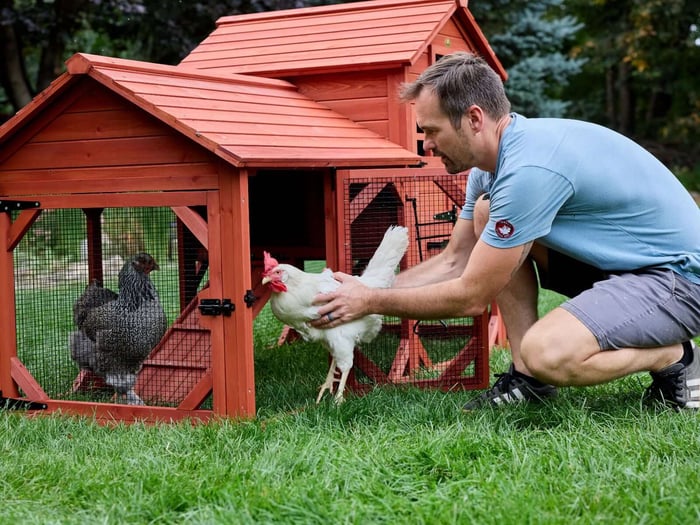
If first time chicken nerves hit the moment you bring home those first chicks, you are not alone! In fact, they are one of the most common experiences shared by first time chicken owners everywhere.
We hear it all the time. “What if I mess this up?” “What if I forget something important?” “What if my chickens get sick?” “What if I regret this?” These thoughts tend to show up right when you are about to take the leap, especially if you are someone who likes to do things right.
This blog is here to normalize those feelings, walk through the most common first time chicken nerves, and help you understand what actually matters in the early days of chicken keeping. Whether you are a homestead family building toward a bigger goal or a suburban family starting small with a backyard flock, this is for you.
Why First Time Chicken Nerves Are So Common
Chickens look simple on the surface. They eat, they scratch, they lay eggs. But once you start researching, it can suddenly feel overwhelming. There are coop sizes, predator concerns, feed types, bedding options, seasonal care tips, and opinions everywhere you look.
For many people, chickens are also the first step toward a more hands-on, self-sufficient lifestyle. That adds emotional weight. You are not just buying animals. You are taking responsibility for living creatures, and that matters.
Feeling nervous usually means you care. And caring is the best starting point you can have.
Nerve #1: “What If I Don’t Know Enough Yet?”
This is the most common fear we hear from first time chicken owners. It usually sounds like this: “I’ve read so much, but I still feel like I don’t know enough.”
Here’s the truth. You do not need to know everything before you start. Chickens are surprisingly forgiving animals, and most chicken keeping knowledge is learned by doing. You will learn far more in your first month with chickens than you ever could by reading alone.
Focus on the basics:
Safe shelter
Clean water
Quality feed
Protection from predators
If those needs are met, you are already doing well. Everything else builds from there.
Nerve #2: “What If I Set Things Up Wrong?”
Many first time chicken owners worry they will buy the wrong coop, choose the wrong setup, or realize too late that something does not work.
This fear is understandable, especially with so many options on the market. The key is remembering that your setup does not need to be perfect. It just needs to work together.
A solid coop, enough space to move, a secure run, and easy access for cleaning go a long way. You can always adjust feeders, add accessories, or upgrade later as you learn what works best for your flock and your routine.
Most experienced chicken keepers will tell you the same thing: their setup evolved over time. Yours will too.
Choosing a well-built coop with enough space and easy access for cleaning can take a lot of pressure off in the beginning. Many first time chicken keepers feel more confident starting with coops designed specifically for smaller backyard flocks, like the options below.
Nerve #3: “What If Something Goes Wrong?”
New chicken owners often worry about illness, injuries, or predators. This fear can feel heavy, especially when you read stories online.
While things can happen, most backyard flocks live healthy, uneventful lives when basic care is in place. Secure housing and consistent routines prevent the majority of common issues.
It also helps to remember that you are not alone. There are communities, guides, and resources available when questions come up. You do not have to solve everything on your own, and you do not need to panic at every small change in behavior.
Learning what is normal for your flock will build confidence quickly.
Nerve #4: “What If This Is Too Much Work?”
Chickens do require daily care, but the work is often less intense than people imagine. Once routines are established, most chicken chores take just a few minutes in the morning and evening.
Many first time owners are surprised by how grounding those routines become. Feeding chickens, checking water, and collecting eggs often turns into a quiet moment of calm in an otherwise busy day.
It is okay to start small. A modest flock allows you to learn without feeling overwhelmed, and you can always grow later if you want to.
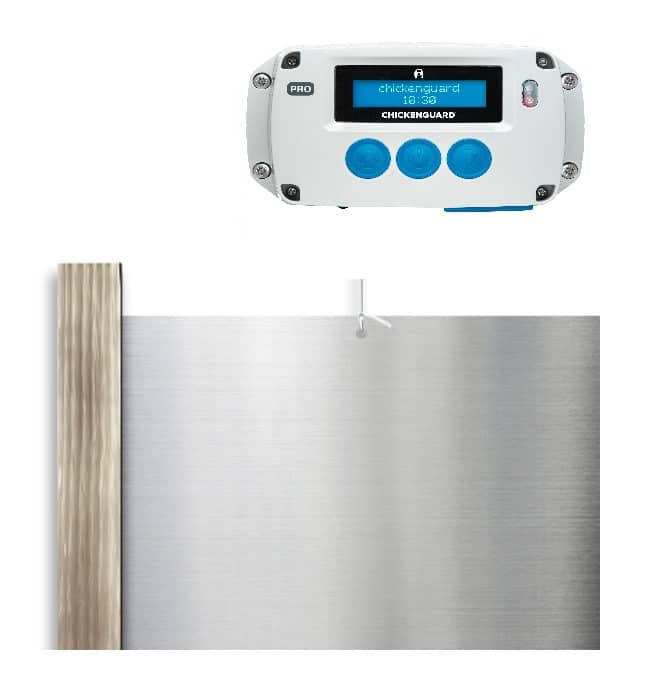
Daily chicken care does not have to be complicated. Simple, time-saving tools can make routines easier and help chicken keeping fit into busy schedules.
Automatic Chicken Coop Door Opener - PRO DOOR KIT
$ 224.99
PRO CHICKENGUARD (Automatic Chicken Coop Door Opener with Timer) AND OAK RUNNER & DOOR KIT COMBO Newly Redesigned Version – June 2023 Release NOTE: Perfect fit on the Rhode Island and Brahma Coop options Not compatible with The Leghorn Cottage Chicken… read more
Nerve #5: “What If I’m the Only One Feeling This Way?”
You are not. Almost every experienced chicken keeper can remember standing in their yard on the first day thinking, “Am I doing this right?”
Those nerves usually fade faster than expected. As soon as you hear your chickens settle in at night or collect your first eggs, confidence starts to replace anxiety. You realize that you are capable, adaptable, and learning as you go.
Chicken keeping is not about perfection. It is about consistency and care.
FAQs
Is it normal to feel nervous before getting chickens?
Yes, first time chicken nerves are very common. Most new chicken owners feel unsure before starting, especially because there is so much information online. Feeling nervous usually means you care and want to do things right.
How long do first time chicken nerves last?
For most people, the nerves fade within the first few weeks. Once daily routines are established and you get to know your flock, confidence replaces anxiety quickly.
What should I focus on first as a new chicken owner?
Start with the basics: safe housing, clean water, quality feed, and predator protection. These essentials matter far more than having the perfect setup right away.
What if I make a mistake with my chickens?
Mistakes are part of learning and are very common, especially when raising chickens. Chickens are hardy animals, and most beginner mistakes are easily fixed without long-term issues.
Are chickens hard to take care of for beginners?
Chickens are generally easier to care for than many first time owners expect. Once routines are in place, daily chicken care usually takes only a few minutes a day.