
Table of Contents
- Start With a Walkthrough
- Focus on High Traffic Areas First
- Handle Chicken Manure the Right Way
- Reuse Old Chicken Bedding Instead of Tossing It
- Check Garden Areas Before Planting
- Manage Chicken Access as Spring Progresses
- Improve Soil Health With Simple Changes
- Make Small Backyard Improvements That Pay Off
- Bringing It All Together
- FAQs
Spring has a way of sneaking up on us. One day the ground is frozen and muddy, and the next it feels like everything outside needs attention at once. When you keep chickens, that seasonal shift can feel even more layered. The backyard is not just a yard anymore. It is a shared space for your flock, your garden, and your daily routines. With the winter coming to a close, it will soon be time to prepare your backyard for spring!
Before jumping straight into planting or new projects, it helps to pause and reset your space. Taking time now to prepare makes the rest of the season smoother, healthier, and far less overwhelming. A few thoughtful updates can support your chickens, protect your garden, and improve how your backyard functions all season long.
This guide walks through practical steps to prepare your backyard for spring with chickens in mind. Whether you have a small suburban setup or a more spread out yard, these ideas focus on working with what you already have instead of adding unnecessary tasks.
 Start With a Walkthrough
The first step to prepare your backyard for spring is simply walking it. Winter can hide a lot under snow, ice, and mud, and it is much easier to spot issues before everything starts growing again.
As you walk your space, look for fallen branches, compacted soil, and areas where water tends to pool. Pay close attention to paths between the coop and run, gates, and any spots where chickens gather regularly. These high traffic areas often need the most attention after winter.
Clearing debris early helps improve drainage and reduces mud tracking into the coop. It also gives you a clearer picture of what needs fixing before the busy part of spring arrives.
Focus on High Traffic Areas First
When chickens are active, certain parts of the backyard take more wear than others. These areas are often overlooked during winter but become obvious once the snow melts.
Paths near the coop, feeding areas, and entry points into runs tend to get compacted and muddy. Raking these areas, adding fresh gravel or mulch, or improving drainage can make daily chores much easier.
Addressing these spots early is one of the most effective ways to prepare your backyard for spring without feeling like you need to overhaul the entire yard.
Handle Chicken Manure the Right Way
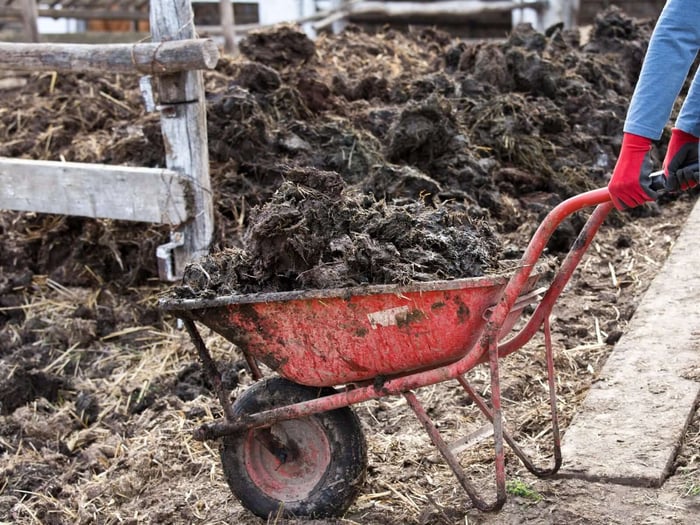
Chicken manure is one of the most valuable resources in a backyard with chickens, but spring is not the time to apply it directly to garden beds. Fresh manure is high in nitrogen and can damage plants if it is not properly composted.
To safely use manure in your spring garden, start a compost pile or add manure to an existing one. Mix it with carbon rich materials like straw, pine shavings, dried leaves, or old bedding. This balance helps manure break down while reducing odor and intensity.
Composted manure becomes a powerful soil amendment later in the season. Managing it correctly now helps you prepare your backyard for spring while setting your garden up for long term success.
Reuse Old Chicken Bedding Instead of Tossing It
Every coop clean-outs often produces a surprising amount of old bedding. Instead of sending it to the trash, consider how it can support your backyard systems.
Old bedding mixed with manure and organic soil is ideal for composting. Over time, it turns into nutrient rich material that improves soil structure and moisture retention. Aged bedding can also be used as mulch around garden beds once it has broken down.
Reusing bedding keeps waste out of landfills and helps close the loop between your chickens and your garden. It is a simple step that supports a more sustainable backyard setup.
Check Garden Areas Before Planting
Before planting anything, take time to assess your garden spaces. Winter can shift soil, expose roots, and create low spots where water collects.
If chickens had access to certain garden areas during fall or winter, the soil may need light leveling before planting. Chickens are great at scratching, but garden beds benefit from being smoothed out before the growing season begins. A great way to get your soil moved around is letting your chickens forage in it! They will hunt for bugs and things to eat while scratching the surface of the soil, naturally moving the dirt around and creating a good space for future growth.
This is also the time to think about boundaries. Decide which areas chickens will be allowed to access and which need protection once plants are growing. Planning this now helps prevent frustration later.
Manage Chicken Access as Spring Progresses
As temperatures rise, chickens become more active and curious. While they can help with pest control and soil disturbance, they can also undo garden work quickly if given full access.
Temporary fencing, garden netting, or designated chicken zones can protect young plants while still allowing chickens outdoor time. Many backyard keepers rotate chicken access throughout the season, letting birds help clean up spent beds or unused areas.
Managing access is a key part of how to prepare your backyard for spring when chickens are involved. Clear boundaries make the season more enjoyable for everyone.
Improve Soil Health With Simple Changes
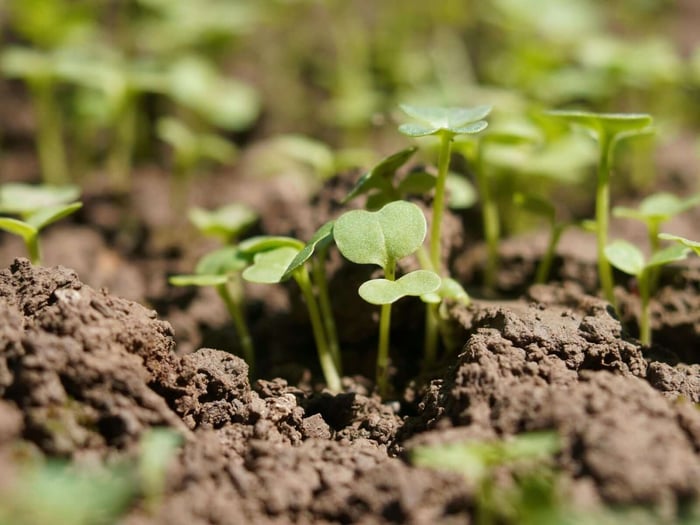
Healthy soil is the foundation of a productive spring garden. Spring is an ideal time to focus on soil structure rather than rushing to plant.
Adding compost, loosening compacted soil, and incorporating organic matter all help soil retain nutrients and moisture. Chickens contribute to soil health naturally, but balance is important. Avoid allowing chickens to overwork freshly amended areas.
Even small improvements made now can lead to stronger plants and easier maintenance later in the season.
Make Small Backyard Improvements That Pay Off
Spring is also a great time to address small improvements that often get ignored during busier months. These changes do not need to be expensive or time consuming to make a difference.
Simple updates like adding stepping stones in muddy areas, improving drainage near the coop, or creating a dedicated compost space can improve how your backyard functions day to day.
These practical upgrades support a smoother routine and help your backyard work better for both you and your chickens.
Bringing It All Together
Learning how to prepare your backyard for spring is about creating systems that work together. Clearing debris, composting manure, reusing bedding, and planning garden access all support a healthier and more functional space.
Instead of trying to do everything at once, focus on small steps that build on each other. A thoughtful reset now prevents overwhelm later and allows you to enjoy the season as it unfolds.
Your backyard does not need to be perfect. It just needs a foundation that supports your flock, your garden, and your everyday rhythm.
FAQs
When should I start preparing my backyard for spring?
Can I use fresh chicken manure in my garden in spring?
What can I do with old chicken bedding after winter?
Old chicken bedding can be used as mulch on dormant garden beds or added to compost piles as a carbon source. It should not be mixed directly into soil until it has broken down.
How do I fix muddy areas caused by chickens in spring?
Address muddy areas by improving drainage, adding gravel or mulch, and temporarily limiting access so soil can recover. Preparing your backyard for spring early helps prevent ongoing mud issues.
Do I need to fertilize my lawn right away in spring?
Not necessarily. It is often best to wait until grass begins actively growing before fertilizing. Early spring is better spent addressing soil health and compaction.