Table of Contents
Quick answer
Before chick season arrives, seven coop checks can prevent most spring problems: inspect hardware cloth for winter damage, clean and disinfect the entire coop, check waterers and feeders for cracks, verify the automatic door is working correctly, add fresh bedding, inspect and repair nesting boxes, and confirm your brooder equipment is ready for chick arrival. Doing this in March means you're set up for success all season.
Is Your Coop Ready for Spring? Things to Check Before Chick Season
Spring brings longer days, rising egg production, and often new chicks joining the flock. It is also the season when small coop issues suddenly become big problems. Before chick season is fully underway, it is worth asking yourself a simple question: is your coop ready for spring?
Whether you are starting your first flock or adding to an established one, early spring is the ideal time to inspect, clean, and upgrade your setup. A little preparation now prevents stress later when egg production increases and daily chores ramp up.
Here are seven essential things to check before chick season begins.
Deep Clean the Coop Interior
Winter can be hard on a chicken coop. Bedding builds up, moisture lingers, and dust collects in corners. Before temperatures rise and flies return, start with a thorough cleaning.
Remove all old bedding from the floor and nesting boxes. Scrape droppings from roost bars and corners. Sweep or vacuum out loose dust. Wipe down walls and inspect for mold or damp areas that may have developed during colder months.
If needed, use a mild coop safe cleaner and allow the space to dry completely before adding fresh bedding. Clean bedding reduces bacteria, improves air quality, and supports healthier egg production.
Spring cleaning sets the tone for the entire season.
Check Ventilation and Airflow
Proper airflow is one of the most overlooked aspects of coop health. As temperatures warm, poor ventilation can trap moisture and ammonia from droppings, leading to respiratory stress in your flock.
Inspect vents to make sure they are not blocked by dust, cobwebs, or bedding. Confirm that air can circulate without creating drafts directly on roosting birds.
If your coop felt damp during winter, consider adding additional ventilation panels or adjusting window openings. Good airflow helps regulate temperature and keeps hens comfortable as laying activity increases.
When you ask is your coop ready for spring, ventilation should always be near the top of your checklist.
Reinforce Against Spring Predators
Spring is also peak predator season. As wildlife becomes more active and begins raising young, raccoons, foxes, and even neighborhood dogs become more persistent.
Inspect hardware cloth for weak points or rust. Check door latches to ensure they close securely. Look for digging signs around the perimeter of your run.
This is also the perfect time to evaluate whether your run space is large enough for the growing flock you plan to keep this year. Crowded birds are more vulnerable to stress and predator pressure.
Even if you allow supervised free ranging, a secure run is essential for times when you cannot monitor your flock directly.

Refresh Nesting Boxes Before Egg Production Increases
As daylight lengthens, hens naturally begin laying more consistently. Nesting boxes that were fine during winter may need attention before egg production increases.
Remove old bedding and replace it with clean, dry material. Make sure each box is structurally sound and large enough for your hens to sit comfortably.
A good rule of thumb is one nesting box for every three to four hens. Too few boxes can lead to crowding and broken eggs.
If you plan to expand your flock this season, now is the time to add additional nesting space before laying intensifies.
5. Inspect Roost Bars and Flooring
Roost bars take constant wear from scratching feet and daily use. Check that they are sturdy and properly secured. Sand down splinters if needed and ensure spacing allows hens to perch comfortably without crowding.
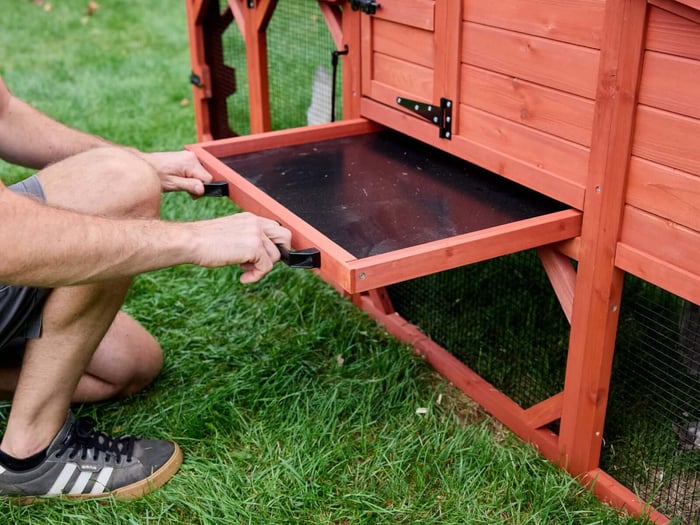
Also examine the coop floor for soft spots, moisture damage, or droppings buildup. Spring moisture can worsen weak flooring, so catching issues early prevents costly repairs later.
If your coop feels tight, this may also be the moment to consider upgrading before adding new birds. A well sized coop supports both comfort and long term flock growth.
Evaluate Feeders and Waterers
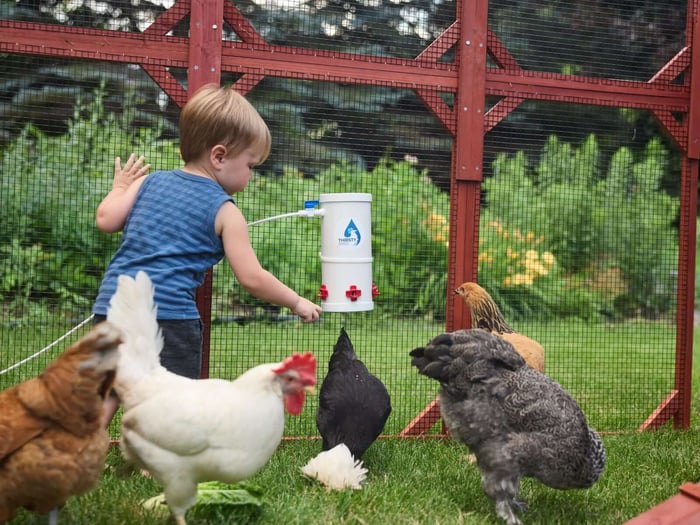
Cold weather can crack plastic waterers and warp feeder lids. Inspect all feeding equipment for leaks, damage, or mold.
Clean feeders thoroughly and ensure they are positioned to minimize waste. Fresh water is especially important as temperatures rise and hens begin laying more regularly.
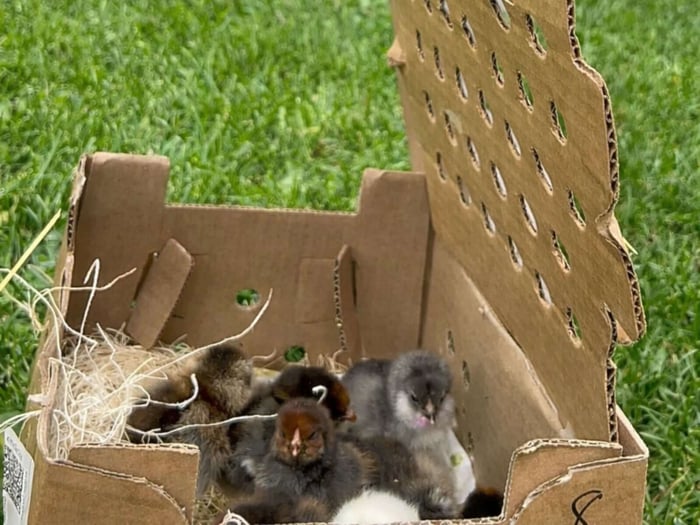
If you are bringing home chicks soon, prepare a separate brooder area with appropriate chick feeders and waterers so the transition is smooth.
When you ask is your coop ready for spring, functional feeding systems are a key part of the answer.
Thirsty Bird Continuous Chicken Waterer

$ 69.99
$ 89.99
Say goodbye to daily water refills with the Thirsty Bird, our continuous waterer keeps your flock hydrated—without lifting a finger. Designed to connect directly to your garden hose, this hands-off hydration system ensures your chickens always have clean, fresh… read more
Plan for Growth
Spring is when flocks grow. Many people add chicks, replace older hens, or increase their backyard flock size once egg demand rises.
Before ordering chicks, confirm your coop and run can handle the number of birds you plan to keep. Review your local regulations and space guidelines.
Remember that chicks grow quickly. What feels spacious for small birds may feel crowded within a few months. Planning now prevents stressful mid season upgrades.
If your goal is expansion, consider whether a larger walk in run or additional coop space would make daily care easier. Investing in enough room from the start reduces future headaches.
Why Preparing Your Coop Now Matters
A well prepared coop makes everything easier once chick season begins. Clean nesting boxes lead to cleaner eggs. Secure fencing reduces sleepless nights. Proper ventilation keeps hens healthy as temperatures shift.
More importantly, preparation builds confidence. When your setup is ready, you can focus on enjoying your flock instead of reacting to problems.
Spring is an exciting time in the backyard chicken world. Egg production rises. Chicks arrive. Families reconnect with the rhythm of daily chores and fresh food.
Taking time now to ask is your coop ready for spring ensures your season starts strong.
Final Thoughts
Before chick season fully arrives, walk through your coop with fresh eyes. Look at it as if you were a brand new chicken owner seeing it for the first time.
Is it clean?
Is it secure?
Is there room to grow?
A few simple upgrades today can make this your smoothest and most productive season yet. When your coop is ready, your flock is ready.
FAQs
When should I prepare my chicken coop for spring?
Late winter or early March is ideal before egg production increases and chicks arrive.
How often should I deep clean my chicken coop?
At minimum, perform a deep clean at the start of spring and again in late summer. You should be changing out the bedding at least once every two weeks!
Do chickens need more ventilation in spring?
Yes. As temperatures rise, proper airflow reduces moisture and ammonia buildup.
How many nesting boxes do I need for my flock?
Plan for one nesting box for every three to four hens.
Should I upgrade my coop before adding new chicks?
If space is limited, upgrading before chicks arrive prevents overcrowding and stress later in the season.