
Table of Contents
- 8 Cold-Hardy Chicken Breeds We Love
- What makes a chicken better suited to cold weather?
- 1. Buff Orpington: the gentle, fluffy favorite
- 2. Rhode Island Red: the dependable brown-egg layer
- 3. Easter Egger: colorful eggs and plenty of personality
- 4. Wyandotte: a striking bird built for colder days
- 5. Brahma: the big, gentle winter standout
- 6. Australorp: the productive, easygoing all-rounder
- 7. Speckled Sussex: a curious forager
- 8. Marans: the chocolate-egg favorite
- Thinking about fall chicks? Plan for their first winter
- Which breed fits your flock?
- FAQs
8 Cold-Hardy Chicken Breeds We Love
There’s something exciting about planning the next additions to your flock while the leaves are changing. Maybe you want a few more eggs, a calmer bird for the backyard, or a blue egg tucked among the browns. If winter is on your mind, breed choice matters, too. These eight cold hardy chicken breeds bring different personalities and egg baskets to the table, with traits that can help them handle chilly weather.
First, a useful distinction: a bird that tolerates cold is not necessarily a bird that lays at full speed through winter. Shorter days, age, molt, nutrition, and individual genetics all affect egg production. And no breed can make up for a damp, drafty coop or frozen drinking water. Think of this list as a place to start choosing birds you’ll enjoy all year, then plan the care they’ll need as temperatures drop.
What makes a chicken better suited to cold weather?
You’ll often see dense feathering, a larger body, or a smaller comb mentioned when people talk about cold hardy chicken breeds. Feathers help insulate, while comb type matters because exposed combs and wattles can be vulnerable to frostbite. A Wyandotte’s rose comb and an Ameraucana’s pea comb are helpful features, although neither makes a bird frostbite-proof. Rhode Island Reds and Australorps are hardy birds, but their larger single combs deserve extra attention in a cold, humid coop.
Housing matters just as much as genetics. Give grown birds a dry shelter that blocks drafts at roost level while allowing moisture to escape through ventilation. Keep bedding dry and water available, and watch especially closely when wet snow or freezing rain arrives. For feather-footed birds, such as Brahmas, check that feathers around the feet stay reasonably clean and dry. The best cold hardy chicken breeds still depend on you for those basics.
The egg estimates below are broad annual guides for a healthy, mature hen, not promises for a particular bird or a winter laying forecast. Strain, care, age, and daylight can move the numbers considerably.
1. Buff Orpington: the gentle, fluffy favorite
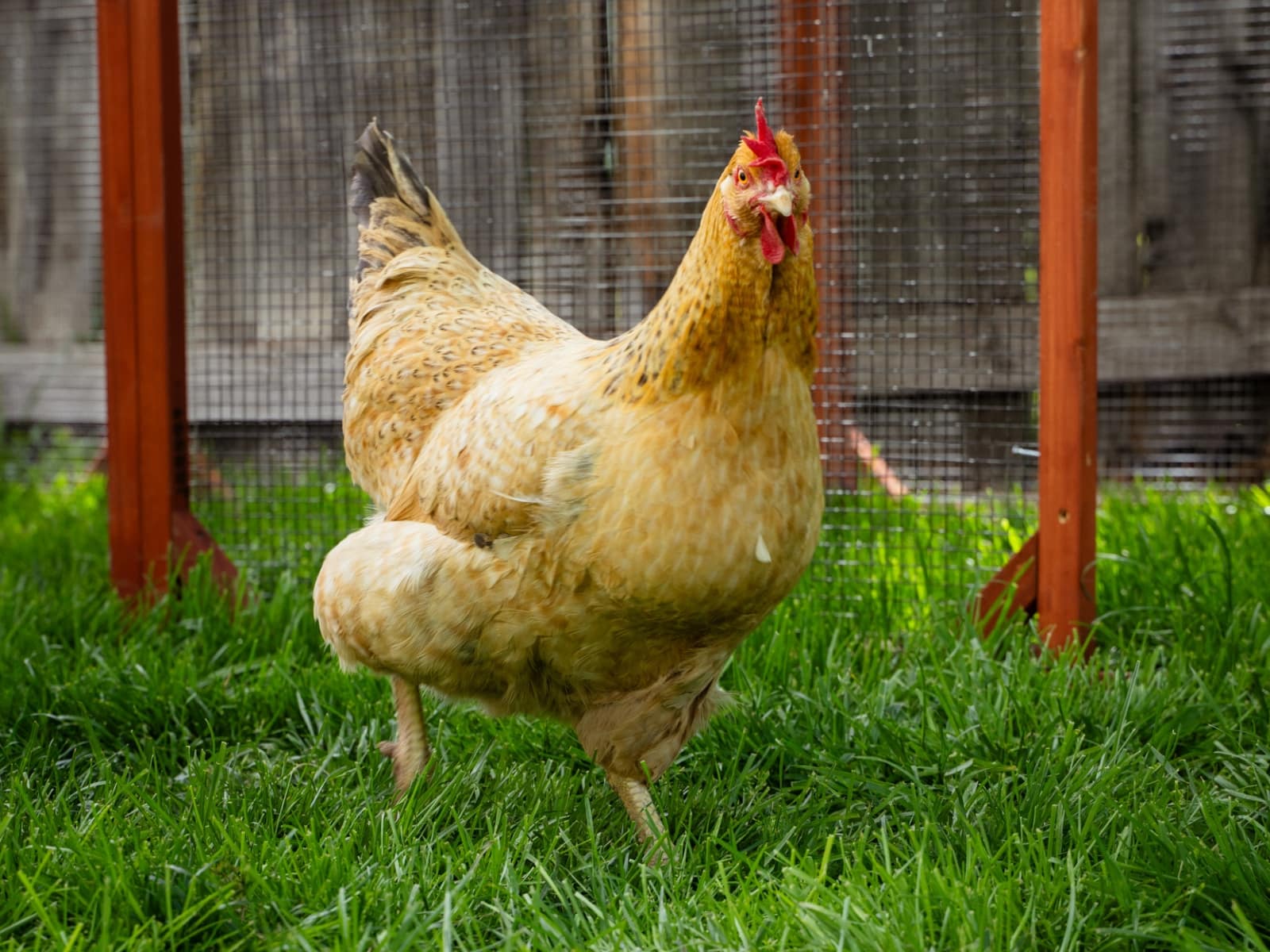
Eggs per year: About 180–250 large brown eggs.
Temperament: Generally calm, gentle, and people-friendly.
Cold-weather appeal: A substantial body and abundant, soft feathering.
Buff Orpingtons look as if they were made for a chilly morning: round, golden, and generously feathered. Their easygoing nature makes them especially appealing if you want a flock you can spend time around, or if your family is new to chickens. They’re useful brown-egg layers without feeling like a bird chosen only for production.
That calm personality does mean you should consider the rest of your flock. A particularly pushy bird can make a docile Orpington’s life difficult, especially when birds are spending more time together indoors. Give everyone enough space, feeding access, and places to move away from one another. Among cold hardy chicken breeds, the Buff Orpington is a lovely choice when friendliness is high on your wish list.
2. Rhode Island Red: the dependable brown-egg layer
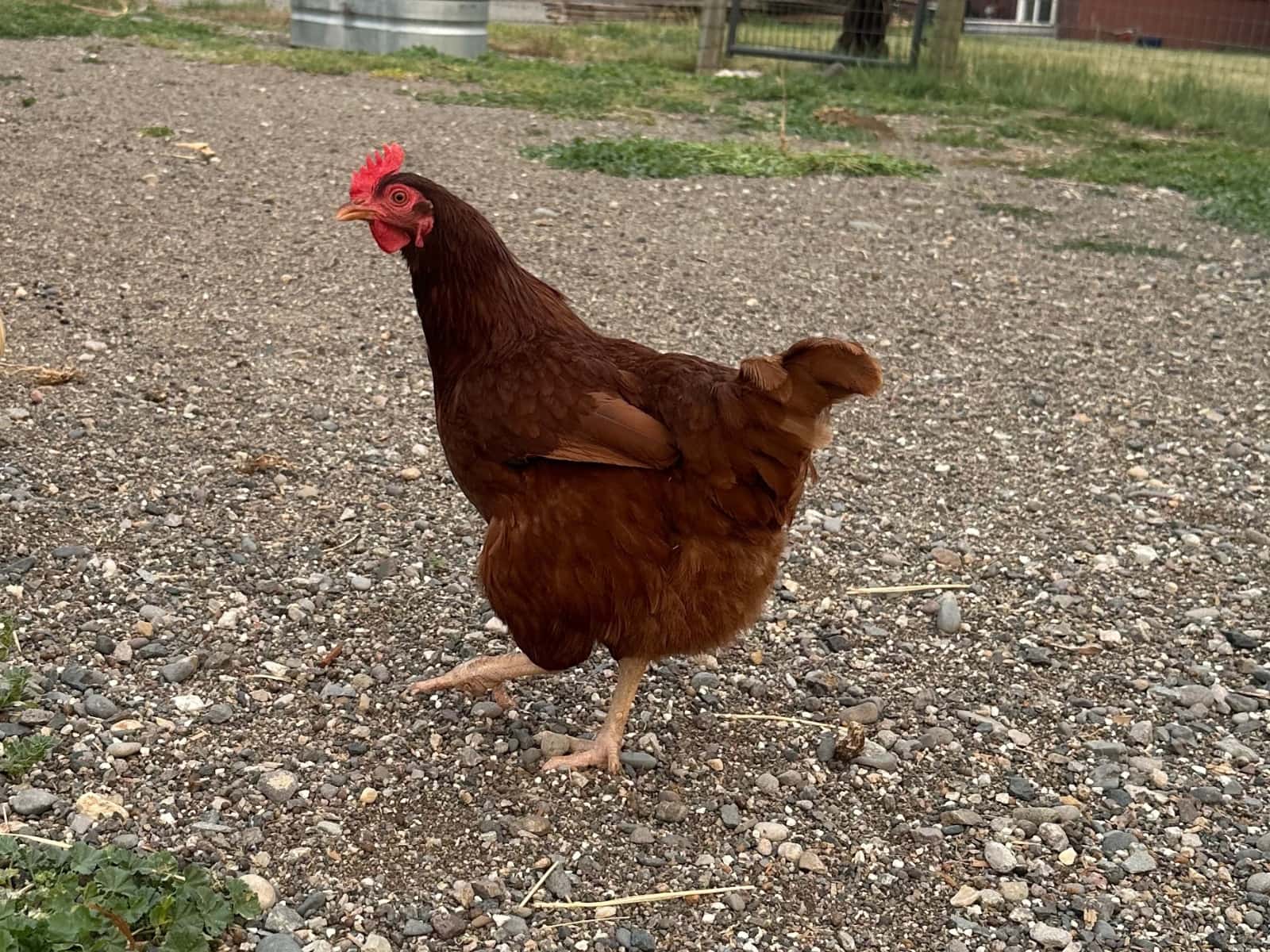
Eggs per year: About 200–300 brown eggs, depending heavily on the strain.
Temperament: Active and confident; many hens are personable, though individuals vary.
Cold-weather appeal: A robust, adaptable heritage breed with a productive streak.
If your main goal is a practical backyard layer, it’s hard to overlook the Rhode Island Red. One thing to watch is comb size. Rhode Island Reds commonly have a prominent single comb, so being a hardy breed doesn’t remove the risk of frostbite. Dry air, good ventilation, and regular winter checks still matter. If you’re comparing cold hardy chicken breeds for eggs as well as personality, the Red deserves a spot near the top of the list.
3. Easter Egger: colorful eggs and plenty of personality
Eggs per year: Often around 180–250, though production varies by bird.
Temperament: Generally curious and friendly, with individual personalities.
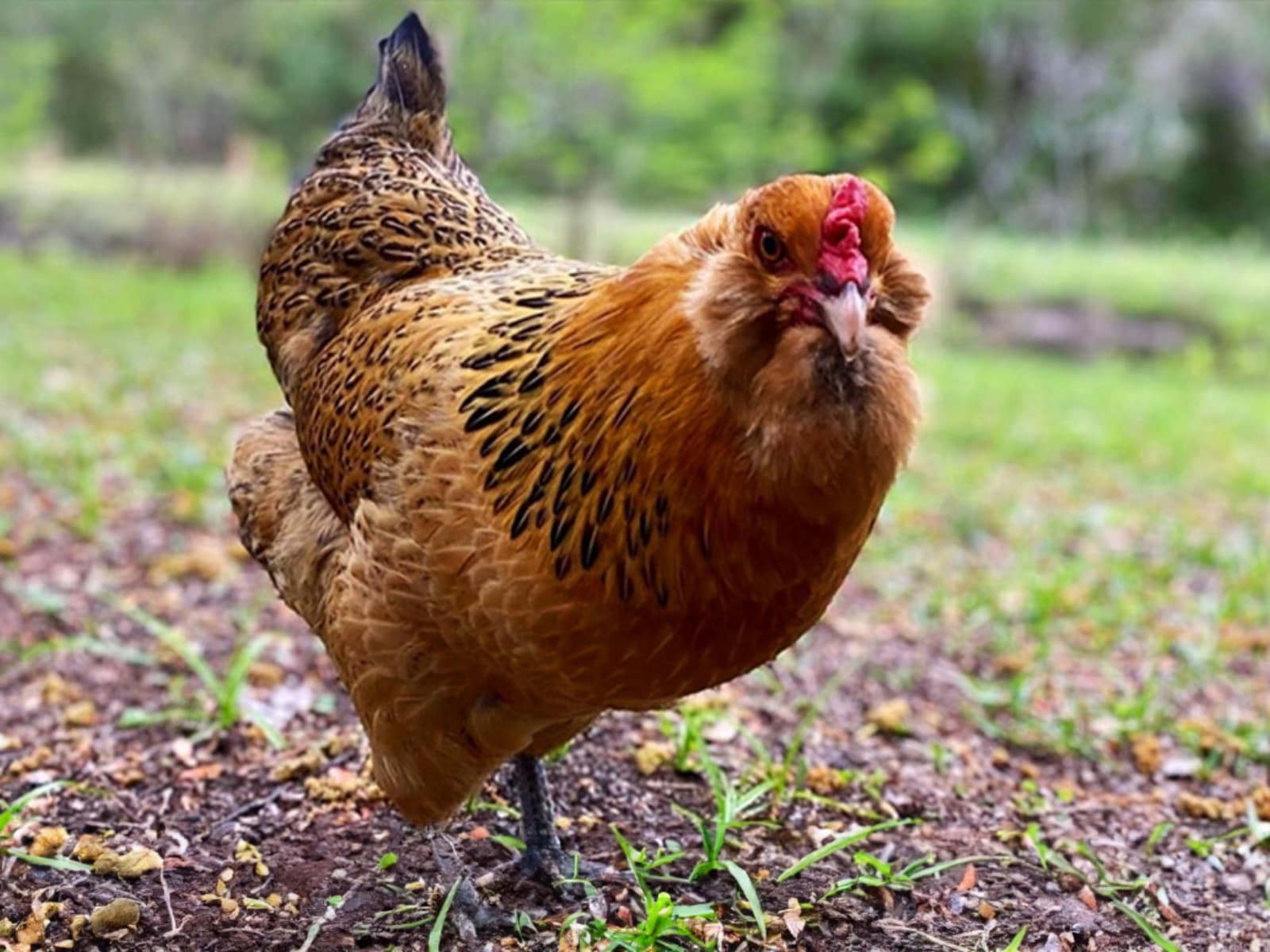
Cold-weather appeal: Many have small pea combs and fluffy beards or muffs, though these traits vary because Easter Eggers are mixed-breed birds.
Easter Eggers add a little surprise to the nesting box, with eggs that may be blue, green, or another shade. Many have adorable fluff around their faces, but no two look quite alike. When choosing one for a colder climate, check the individual bird’s comb and overall health rather than relying on the Easter Egger label alone.
One helpful distinction when shopping: a true Ameraucana is a recognized breed that lays blue eggs and has a pea comb, beard, and muffs. An Easter Egger may share some of those traits, but its mixed heritage means they aren’t guaranteed. That variety is part of the fun—and makes each Easter Egger a unique addition to your flock.
4. Wyandotte: a striking bird built for colder days
Eggs per year: About 180–240 brown or light-brown eggs.
Temperament: Often calm and steady, though some are more independent than cuddly.
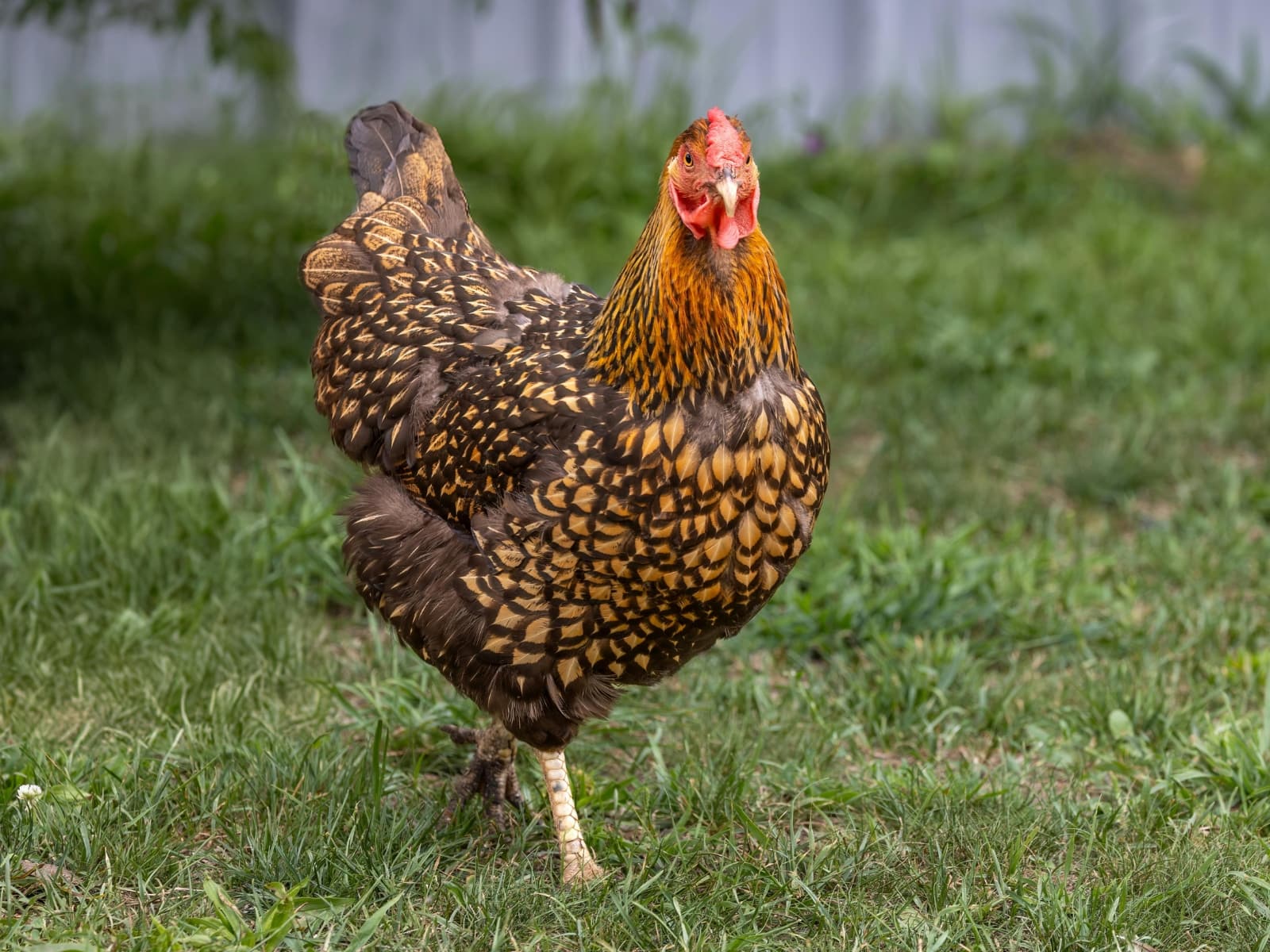
Cold-weather appeal: Dense feathering, a solid build, and a low rose comb.
Wyandottes are the birds you notice from across the yard. Underneath those good looks is a useful backyard chicken with a strong cold-weather profile. The rose comb sits close to the head, leaving less tissue exposed than a tall single comb.
If you want beauty and practical winter traits in one bird, this is an easy breed to consider. Still, Wyandottes have a well-earned place on lists of cold hardy chicken breeds for small farms and backyards alike.
5. Brahma: the big, gentle winter standout
Eggs per year: Up to about 200 medium-to-large brown eggs.
Temperament: Typically gentle and unhurried.
Cold-weather appeal: Large body, dense down, and a small pea comb.
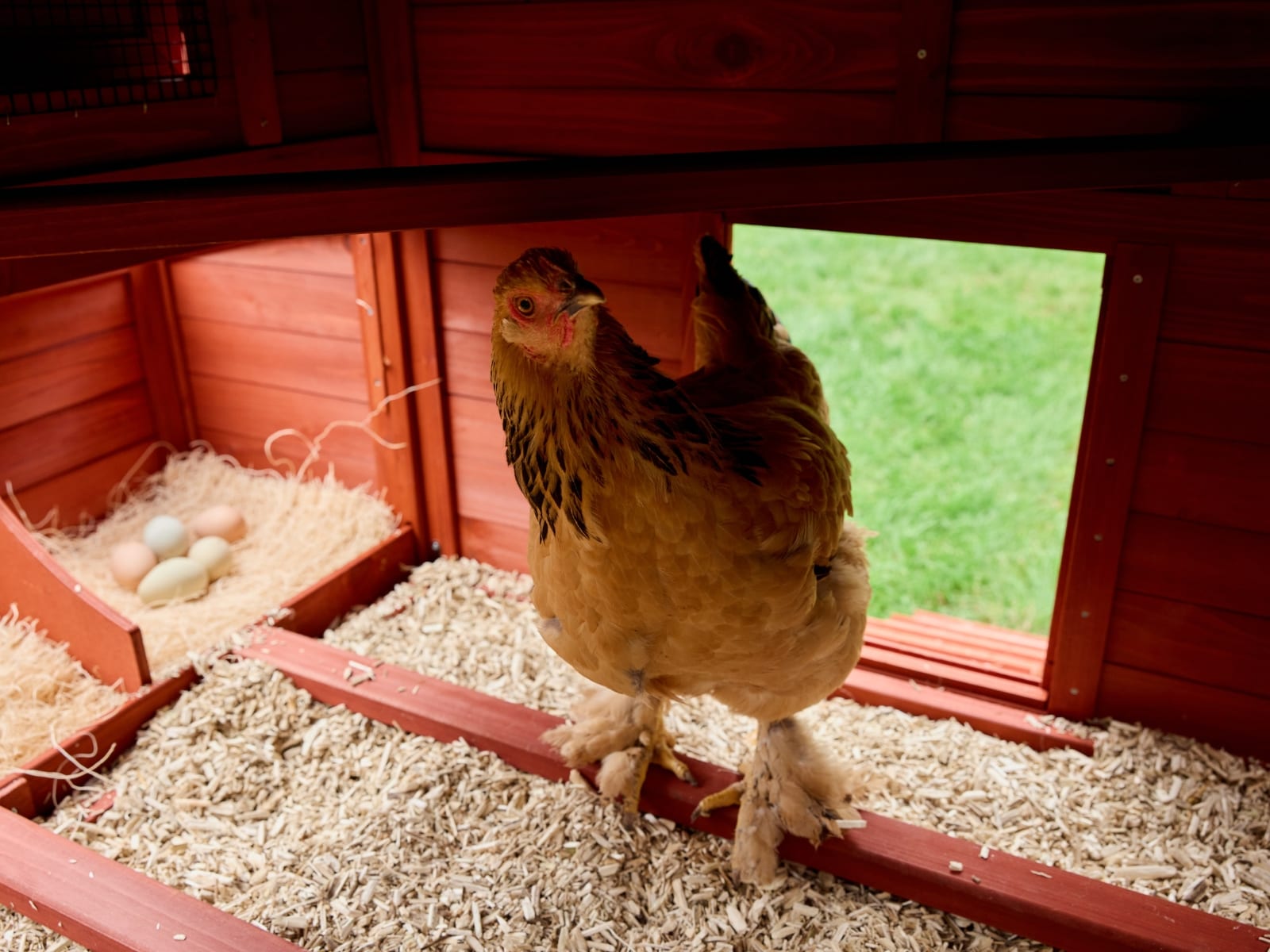
Brahmas make an impression. They’re large birds with feathered legs, a stately walk, and a reputation for handling cold climates well. If your ideal flock includes a laid-back giant, this may be your bird.
Plan for that size before bringing one home. Make sure the coop, roosting space, and run comfortably accommodate a full-grown Brahma, rather than judging space by a tiny chick. Their feathered feet also need a dry place to land; caked mud and ice are worth checking during messy weather. For many keepers, Brahmas are the most memorable of these cold hardy chicken breeds.
6. Australorp: the productive, easygoing all-rounder
Eggs per year: Around 250 or more tinted to light-brown eggs in a productive backyard hen.
Temperament: Often calm and manageable, with normal individual variation.
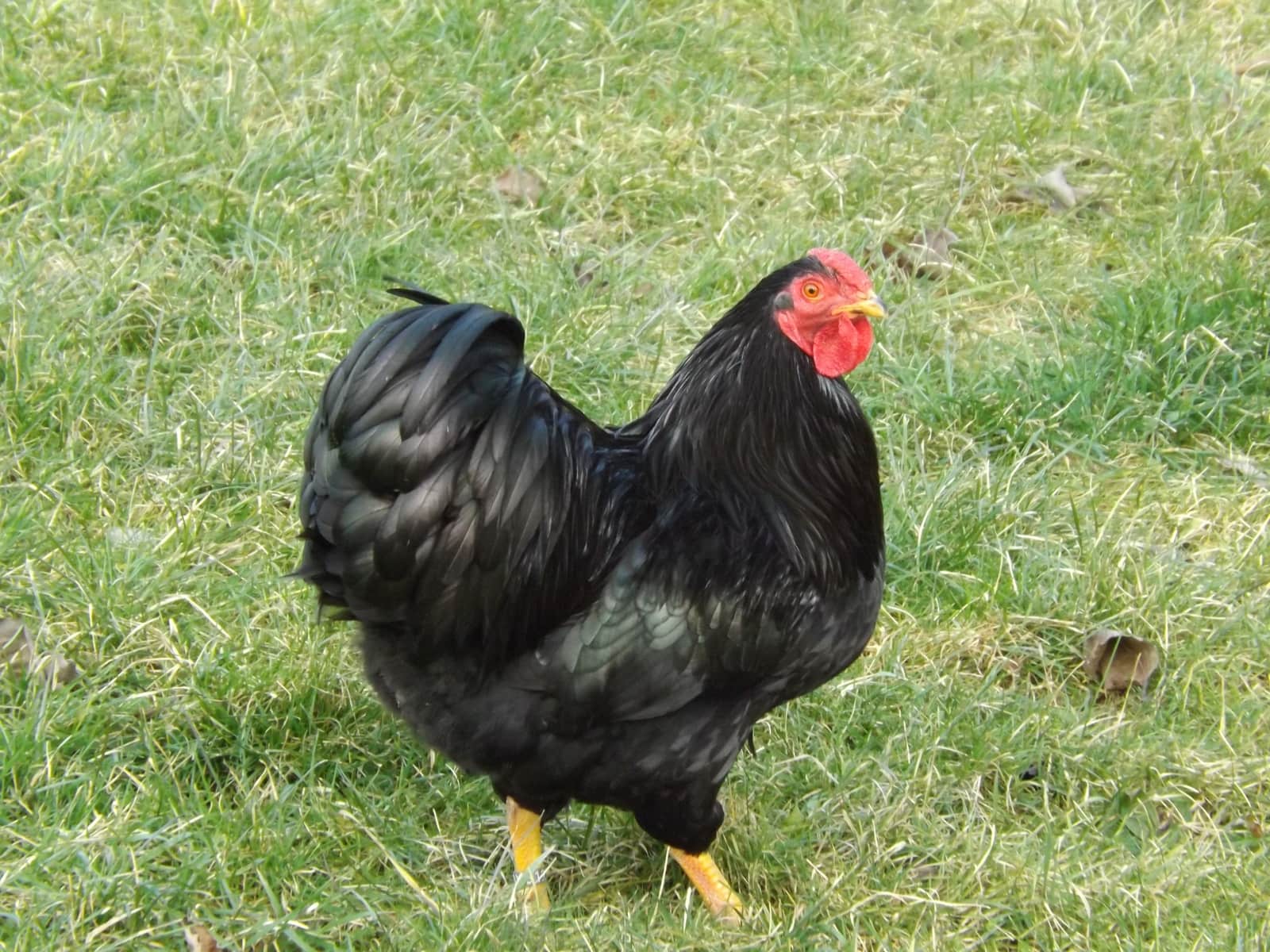
Cold-weather appeal: A substantial, adaptable bird with good overall hardiness.
The Australorp deserves more attention than it sometimes gets. Developed with egg production in mind, it can add dependable laying power to a flock without giving up the appeal of a traditional, full-sized chicken. Its relatively large single comb is the tradeoff to remember in winter. Keep the coop dry and check exposed combs during severe weather. If you live somewhere with hot summers as well as cold winters, provide shade when the seasons turn again. Australorps make sense among cold hardy chicken breeds for people who want a calm bird and a strong egg basket.
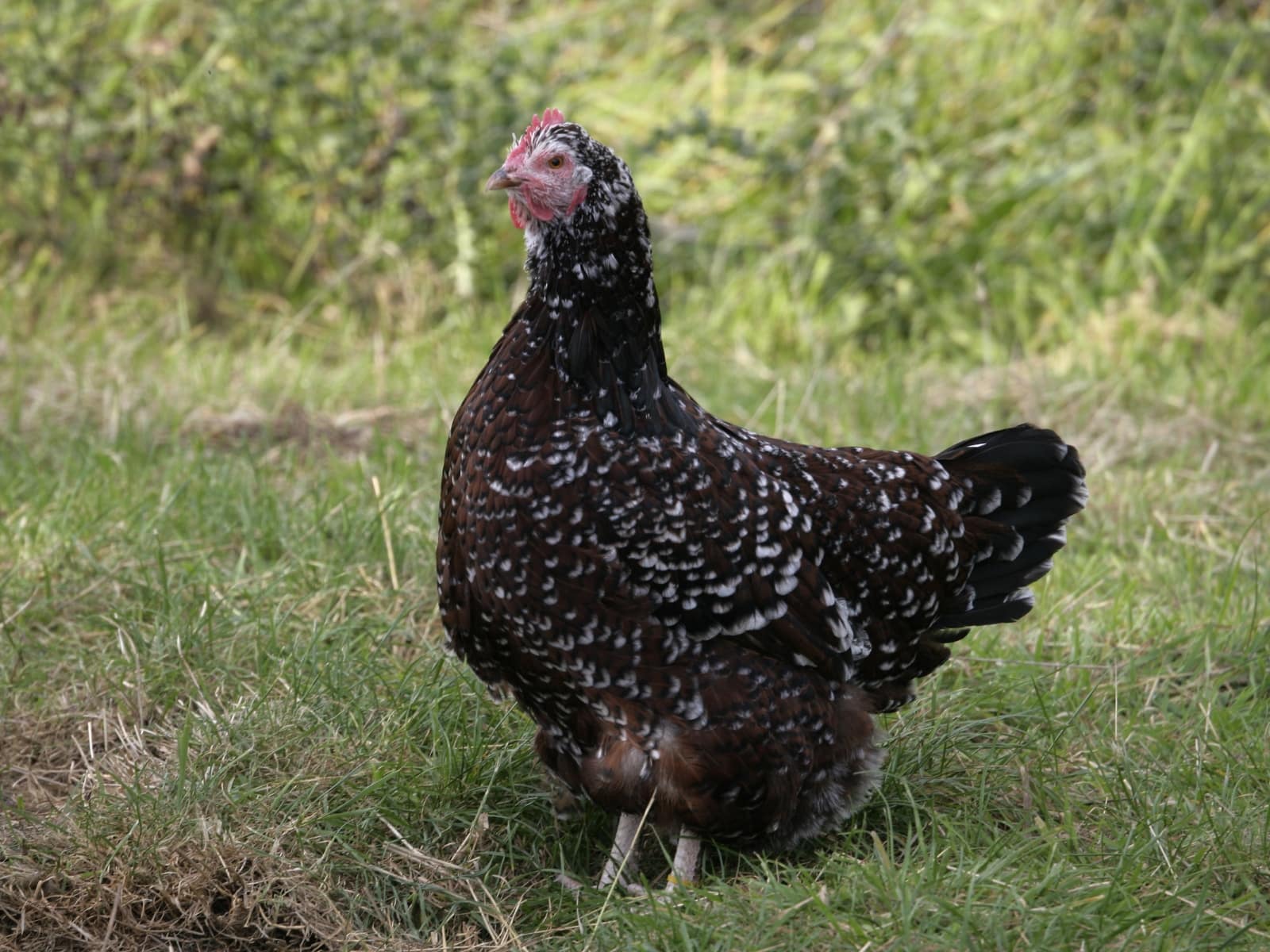
7. Speckled Sussex: a curious forager
Eggs per year: About 200–250 large tan or brown eggs.
Temperament: Generally curious, active, and friendly.
Cold-weather appeal: A hardy, full-sized bird that brings both vigor and personality.
If fall could pick a chicken, it might choose the Speckled Sussex. But the breed has more going for it than seasonal good looks: Sussex hens are useful layers and lively foragers that enjoy investigating the yard.
Their curiosity makes them fun to keep, especially if you like watching your flock search through leaves and grasses. Like several other breeds here, a Sussex has a single comb, so don’t treat “hardy” as permission to ignore moisture or frostbite risk. This is one of our favorite cold hardy chicken breeds for a flock with plenty of personality.
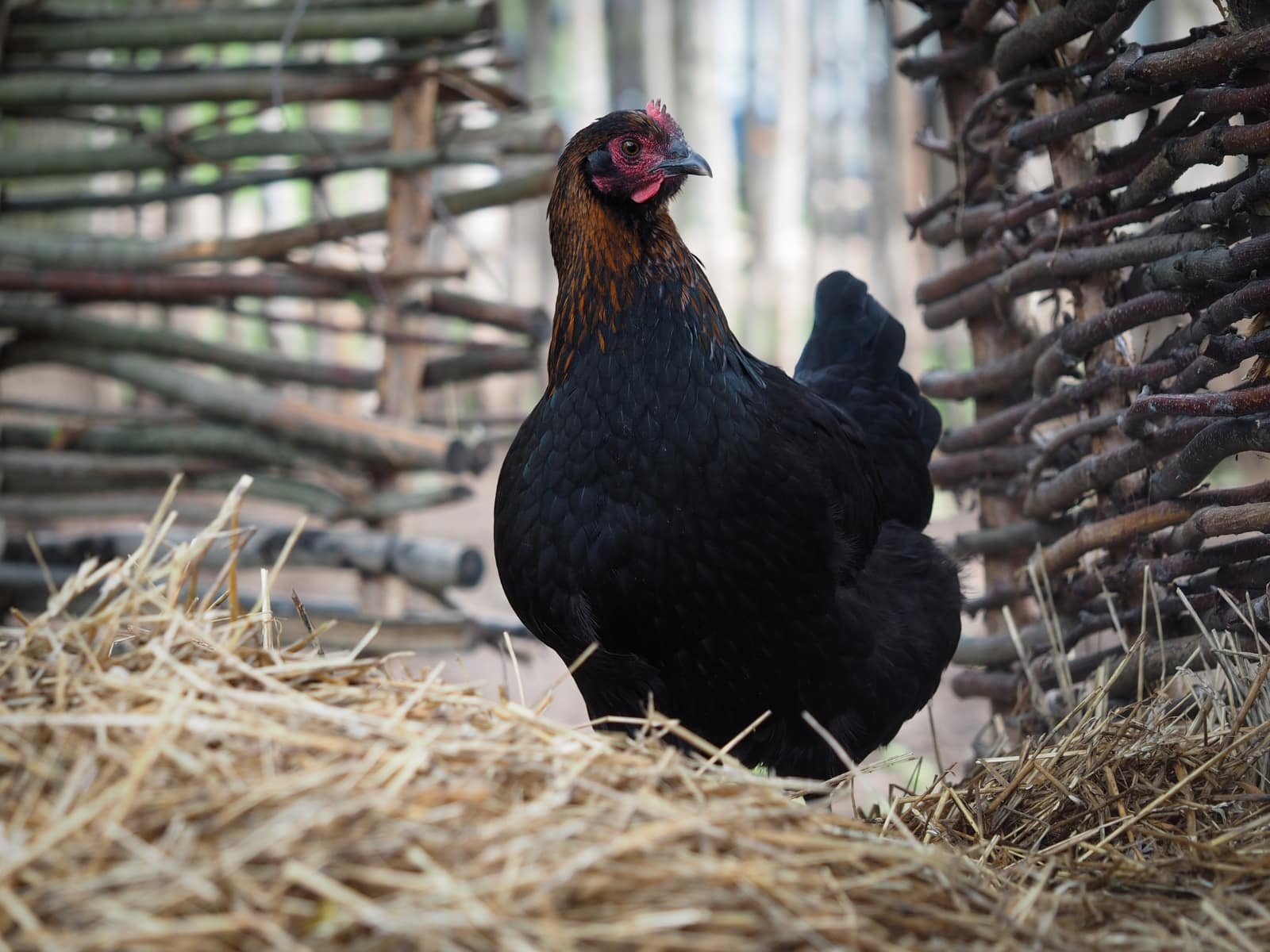
8. Marans: the chocolate-egg favorite
Eggs per year: Roughly 180–200 brown eggs, depending on the variety and breeding line.
Temperament: Generally calm and friendly, though individual birds vary.
Cold-weather appeal: A sturdy, full-sized bird that can do well in cooler climates with proper shelter.
Marans are best known for their beautiful dark brown eggs. The exact shade varies by bird and breeding line, and it can change over the laying season. If those chocolate-colored eggs are what you’re hoping for, ask the breeder about the eggs their flock actually lays.
Marans handle chilly weather well, but their upright single combs still need attention during cold, damp spells. Keep the coop dry and ventilated, and check feathered legs for caked mud or ice if you choose a French variety. Among cold hardy chicken breeds, Marans bring a distinctive egg color and an easygoing presence to the flock.
Thinking about fall chicks? Plan for their first winter
Choosing an adult breed that handles winter well is only half the fall-chick story. New chicks need a properly heated, draft-free brooder and age-appropriate care while they grow feathers. They cannot go straight into a cold coop because their breed is winter-hardy. Depending on their age and your local weather, chicks bought in October may need indoor brooder space and a careful transition before they live outdoors.
If you’re adding birds to an established flock, plan their introduction before you order. Keep new birds separate at first for health monitoring, then introduce them gradually with enough room and more than one feeding spot. Check local guidance and your veterinarian for biosecurity advice, particularly if you’re buying started birds from a different flock. For grown birds, focus on ventilation, dry bedding, dependable water, and a secure place to roost. You might see fewer eggs when days get shorter, even from birds known as good layers. The point of choosing cold hardy chicken breeds is to build a flock suited to your climate and the kind of chicken keeping you enjoy, then support it through the season.
Which breed fits your flock?
Love a gentle bird? Start with a Buff Orpington or Brahma. Want a basket with more brown eggs? Look at a Rhode Island Red or Australorp. Drawn to blue eggs and small combs? Explore Ameraucanas, then compare them with the more variable Easter Egger. And if you want a bird that looks right at home among the autumn leaves, don’t skip the Speckled Sussex or a beautifully patterned Wyandotte.
The right answer depends on your space, climate, priorities, and the birds you already have. Want to dive deeper into chicken breeds? Use our Chicken Breed Selector to compare egg color, temperament, size, and cold tolerance—and find the next member of your flock.
FAQs
Can I raise baby chicks in the fall?
Yes, if you can provide a warm, draft-free brooder while they grow. A breed’s ability to handle cold as an adult doesn’t mean its chicks are ready for winter temperatures.
Do cold-hardy chickens lay eggs all winter?
Some may keep laying, but expect production to slow as daylight decreases. A hen’s age, molt, and individual genetics also affect how many eggs you’ll collect.
What matters more in winter: breed or coop setup?
Both matter. Even cold hardy chicken breeds need a dry, ventilated coop, unfrozen water, and protection from wind at roost level.
Which of these breeds is the friendliest?
Buff Orpingtons and Brahmas are especially known for gentle temperaments. Individual birds vary, though, and a calm chicken still needs enough space to feel comfortable in the flock.
Are Ameraucanas and Easter Eggers the same breed?
No. Ameraucana is a recognized breed known for blue eggs and a pea comb. Easter Eggers have mixed heritage, so their appearance, comb type, and egg color can vary.