.png)
Table of Contents
- The Coop vs. the Run: Understanding the Difference
- Why Space Matters for Chicken Wellness
- Safety First: How Chicken Runs Protect Your Flock
- Covered Runs vs. Free Ranging
- Dust Bathing: A Non-Negotiable Chicken Need
- Mental Stimulation and Enrichment Inside the Run
- Choosing the Right Size Chicken Run
- Flexibility Matters: Growing With Your Flock
- Wellness Is About the Whole System
- Final Thoughts: A Coop Is Home, a Run Is Life
- FAQs
When people first start researching backyard chickens, the focus is almost always on the coop. How many nesting boxes are there? Is it insulated? Will it fit in the yard? These are important questions, but they only tell part of the story. While the coop matters, chicken runs are just as essential to a flock’s health, safety, and overall wellbeing.
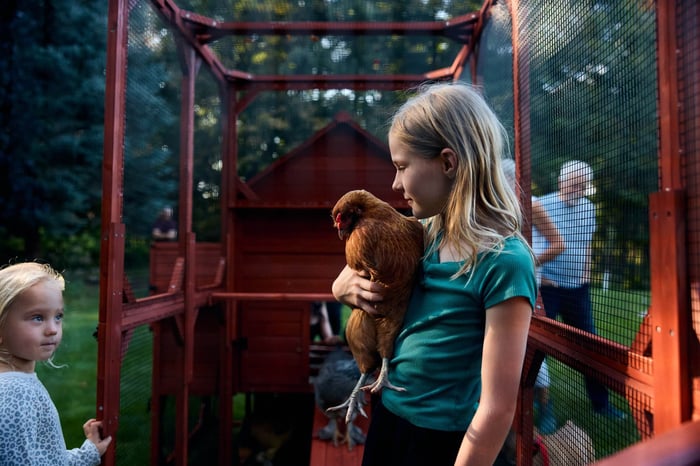
A coop is where chickens sleep, lay eggs, and stay protected overnight. But it is not where they live their full lives. Chickens need space to move, scratch, dust bathe, forage, and interact with their flock. That daily living space is what chicken runs are designed to provide.
Chicken runs play a critical role in flock safety, physical health, and mental wellbeing. Whether you live in a suburban neighborhood, a rural area with heavy predator pressure, or somewhere in between, a well-designed run gives your chickens room to be chickens while keeping them protected.
This guide explains why chickens need more than just a coop, how chicken runs support safety and wellness, and how to choose a setup that works for your flock and your lifestyle.
The Coop vs. the Run: Understanding the Difference
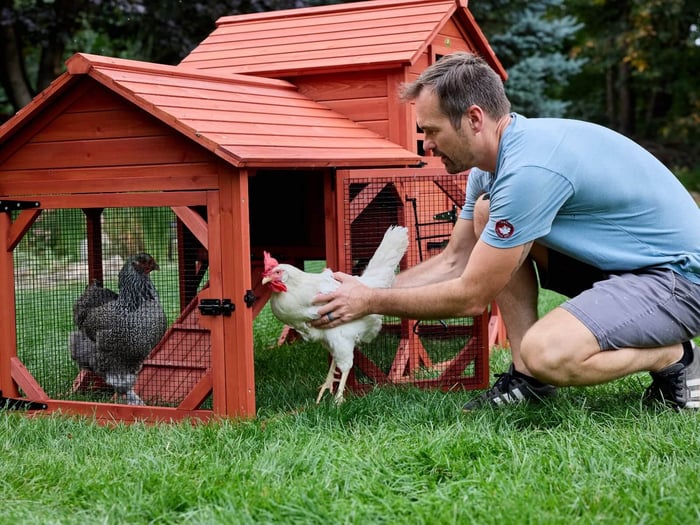
A chicken coop is a shelter. It provides roosting bars, nesting boxes, and protection from the elements at night. Chickens spend a surprising amount of time inside their coop during winter, bad weather, or extreme heat.
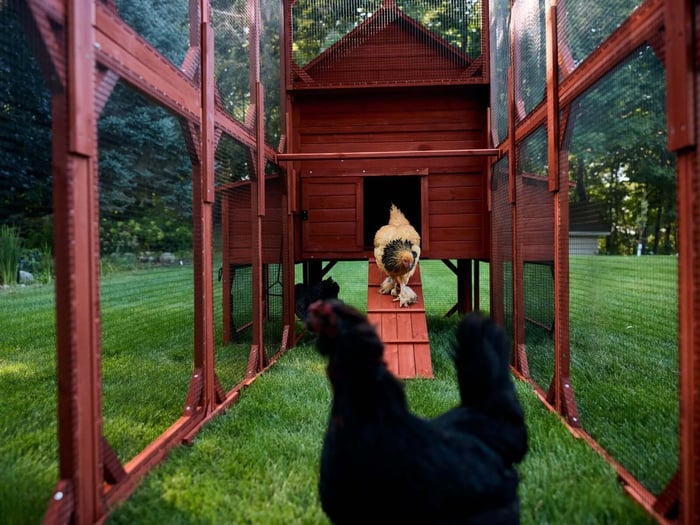
A run, on the other hand, is their living space.
Chicken runs give your flock:
Space to walk, stretch, and flap their wings
An area to scratch and forage safely
Room for enrichment like dust baths and hanging treats
A buffer between your chickens and predators
Without a run, chicken owners are often faced with two less-than-ideal choices: keeping chickens confined inside the coop for too long, or letting them free range without protection. Both can lead to problems.
Why Space Matters for Chicken Wellness
Chickens are active animals. Even calm, friendly breeds need room to move throughout the day. When chickens do not have enough space, stress builds quickly.
Signs your flock may not have enough room include:
Feather pecking or bullying
Excessive noise
Dirty eggs from overcrowded nesting areas
Pacing or repetitive behaviors
Increased illness due to stress
Chicken runs help prevent these issues by giving birds enough space to establish natural flock dynamics. They can move away from one another when needed, explore their environment, and stay physically active.
Well-designed chicken runs also help reduce boredom. A bored chicken is more likely to peck at flock mates or damage feathers. Space alone helps, but space combined with enrichment makes a noticeable difference.
Safety First: How Chicken Runs Protect Your Flock
Predator pressure is one of the biggest challenges chicken keepers face. Even in suburban areas, predators are more common than many people realize.
Common predators include:
Hawks and owls
Raccoons
Foxes and coyotes
Weasels and mink
Neighborhood dogs
Chicken runs create a physical barrier between your flock and these threats. Covered runs are especially important, as aerial predators are a risk even during short periods of outdoor time.
A secure run allows chickens to be outside without constant supervision. It also gives owners peace of mind, especially for those who cannot be home all day to monitor free ranging.
Many chicken keepers use a hybrid approach:
Chickens spend most of the day in a covered run
Free ranging happens only when someone is home and watching
This setup balances safety with freedom and works well for both suburban and rural flocks.
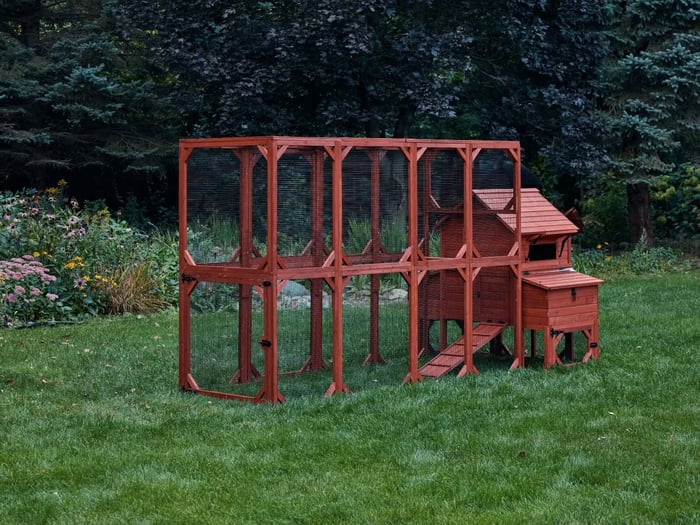
Covered Runs vs. Free Ranging
Free ranging is often idealized, but it is not always realistic or safe. Chickens that free range full time are more vulnerable to predators, traffic, toxic plants, and neighborhood conflicts.
Covered chicken runs offer a reliable alternative.
Benefits of covered chicken runs include:
Protection from hawks and climbing predators
Reduced exposure to extreme weather
Less damage to lawns, gardens, and landscaping
Easier containment for urban and suburban settings
Covered runs also make chicken keeping more accessible. Not everyone lives on acreage, and not everyone can supervise free ranging daily. A run ensures chickens still get outdoor time even when schedules are busy.
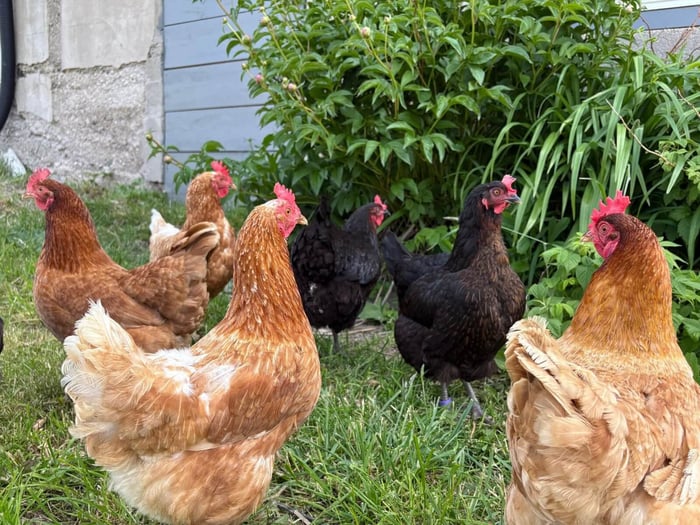
Dust Bathing: A Non-Negotiable Chicken Need
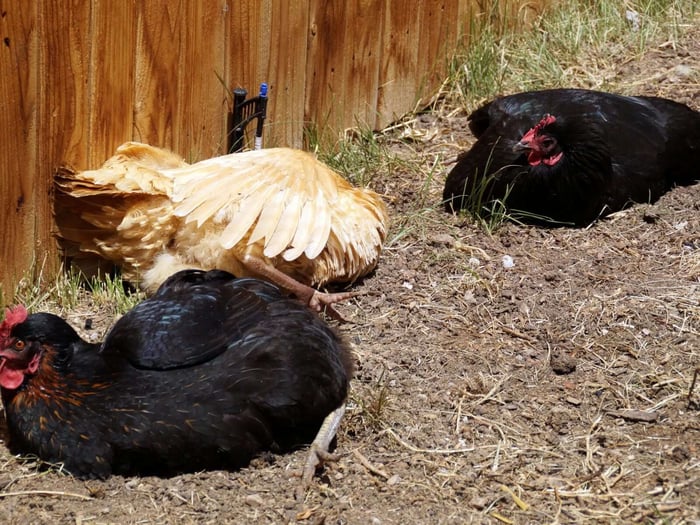
Dust baths are not optional for chickens. They are essential for parasite control and overall comfort.
In nature, chickens create dust baths by digging shallow pits in dry soil. They roll and flap in the dust, coating their feathers. This helps remove excess oils and deter mites and lice.
Chicken runs provide a consistent, safe place to include a dust bath area. Without a run, dust baths often end up in flower beds, under decks, or right outside the back door.
Inside a run, you can create a dedicated dust bathing station using:
Dry dirt or sand
Wood ash
Food-grade diatomaceous earth (used carefully)
Having a permanent dust bath inside the run encourages natural behavior and supports chicken health year-round. This can be as simple as a designated spot with loose, dry soil or as structured as a plastic bin or old rubber tire filled with dusting material. Some keepers don’t overthink it at all and simply maintain a dry patch of dirt inside the run. Chickens are remarkably good at finding what they need and will quickly claim it as their go-to dust bath.
Mental Stimulation and Enrichment Inside the Run
Chickens are curious and intelligent. They notice changes in their environment and respond well to enrichment.
Chicken runs are the perfect place to add simple entertainment, such as:
Hanging cabbage or leafy greens
Treat dispensers
Perches or low platforms
Logs, stumps, or branches
Rotating toys or objects
Even small changes make a difference. Moving a perch or hanging a new treat can keep chickens engaged and reduce stress.
Runs that are tall enough for people to walk into also make it easier to refresh enrichment regularly without crouching or crawling.
Choosing the Right Size Chicken Run
Run size matters more than many first-time owners expect. Chickens need space not just to stand, but to move comfortably throughout the day.
General guidelines recommend at least 8 to 10 square feet per chicken inside a run. More space is always better, especially for larger breeds or mixed flocks.
This is where modular run systems become valuable. Instead of being locked into one size, expandable chicken runs allow your setup to grow with your flock.
Some chicken keepers start with:
A standard run for a small flock
Upgrade to a walk-in run as they add birds
Add extensions or connect multiple runs together
Larger setups like XL runs or XXL Brahma runs work well for big flocks, heavy breeds, or people who want to limit free ranging without sacrificing quality of life.
XL Brahma Chicken Run Extension 6'x8'

$ 1,299.00
$ 1,499.00
Seamlessly add the walk-in run to your existing run or start new. The XL Brahma Chicken Coop Walk-In Run Extension is the answer to providing extra room for you and your flock. No more bending over or crawling into your… read more
Walk In Run Extension

$ 599.00
$ 799.00
Seamlessly add the walk-in run to your existing run or start new. New and improved walk-in run extension - models purchased before April 2025 will have slight variations, including height, wire color and number of panels. The Walk-In… read more
Flexibility Matters: Growing With Your Flock
Many people start chicken keeping small and expand over time. What works for three hens may not work for eight or twelve a year later.
Chicken runs that attach directly to coops or connect to one another give you flexibility. You can increase space without replacing your entire setup.
Expandable systems are especially helpful for:
Families adding chickens gradually
Seasonal changes when birds spend more time inside
Temporary separations for broody hens or new additions
Planning for growth from the beginning saves money and frustration later.
If you want to see how easy it is to connect our chicken runs, we walk through it step by step in this short video.
Wellness Is About the Whole System
Chicken wellness is not about one single item. It is about how everything works together.
A healthy setup includes:
A coop that protects and shelters
Chicken runs that provide safe outdoor space
Enrichment for mental stimulation
Dust bathing areas for parasite control
Enough room to reduce stress
When chickens have access to a well-designed run, many common problems become easier to manage. Cleaner coops, calmer flocks, and healthier birds are often the result.
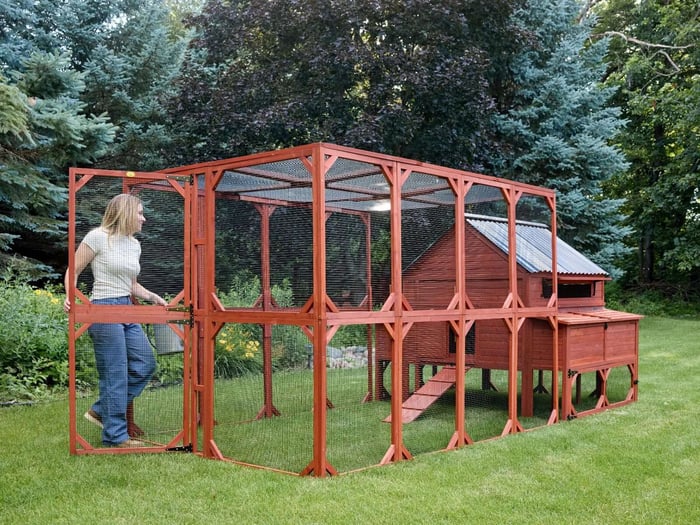
Final Thoughts: A Coop Is Home, a Run Is Life
A coop gives chickens a place to sleep. Chicken runs give them a life.
They allow chickens to move, explore, and behave naturally while staying protected. They reduce stress, support physical health, and give keepers more peace of mind.
Whether you choose a compact run, a walk-in setup, or a large XL or XXL configuration, investing in the right run is one of the best decisions you can make for your flock.
If free ranging is part of your routine, a run still plays an important role as a safe home base. If free ranging is not possible, a covered run ensures your chickens still get fresh air and enrichment every day.
Chickens need more than just a coop. They need space, safety, and room to thrive.
FAQs
Do chickens really need a run if they have a coop
Yes. A coop is for sleeping and laying eggs. Chicken runs provide daily space for movement, enrichment, and fresh air, which are essential for health and wellbeing.
Are covered chicken runs better than open runs?
Covered runs offer better protection from aerial predators and weather. They are especially helpful in areas with hawks or where free ranging is limited.
How much space do chickens need in a run?
A good rule of thumb is at least 8 to 10 square feet per chicken. More space reduces stress and improves flock behavior.
Can I let my chickens free range instead of using a run?
Free ranging can work if you can supervise and have low predator pressure. Many keepers use runs daily and free range only when they are home and watching.
Can I expand my chicken run later?
Yes. Modular chicken runs that attach to coops or connect together make it easy to add space as your flock grows.