
Table of Contents
Quick answer
The most common chicken keeping mistakes — underestimating coop space requirements, skipping ventilation, feeding treats before understanding nutrition basics, neglecting biosecurity, and waiting too long to address health issues — are all preventable once you know to look for them. The chickens that thrive long-term are those whose owners have a consistent routine and aren't afraid to ask for help.
Chicken Keeping Mistakes to Leave in 2025
Chicken keeping has exploded in popularity over the last few years, and for good reason. Fresh eggs, quieter mornings in the yard, and a deeper connection to food and routine are all part of the appeal. But as more people start or expand backyard flocks, the same chicken keeping mistakes show up again and again.
If 2025 is the year you want chicken keeping to feel easier, calmer, and more enjoyable, it helps to look honestly at what is not working. Many of the most common chicken keeping mistakes are not about lack of effort. They are about outdated assumptions, rushed decisions, or advice that sounds good online but does not hold up in real life.
This list is not about shame or perfection. Nearly every experienced chicken keeper has made at least one of these chicken keeping mistakes at some point. The goal is to recognize them early, adjust your setup, and move forward with confidence.
Below are six chicken keeping mistakes we think are worth leaving behind in 2025.
1. Buying a Coop That Is Too Small
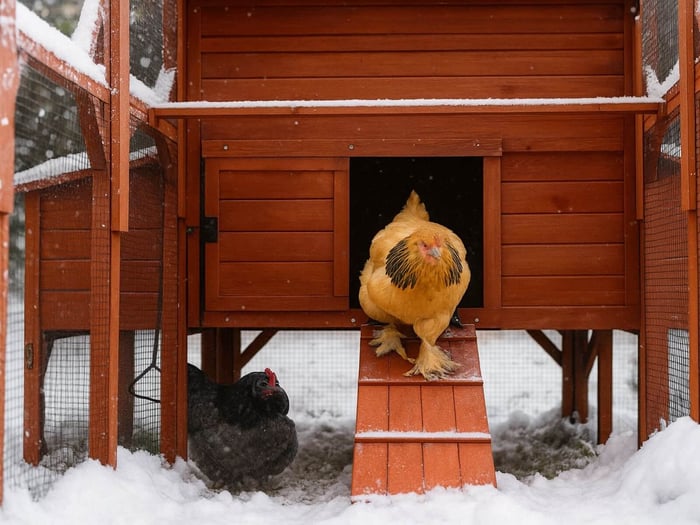
One of the most common chicken keeping mistakes starts before chickens even arrive. Many people buy a coop that technically fits their flock on paper but does not hold up in real life.
Chickens need enough space to roost comfortably, move freely, and avoid conflict. When a coop is too small, problems show up quickly. Feather picking, stress, dirty nesting boxes, and cracked eggs are all signs that birds are cramped.
This mistake often happens because people plan for their current flock only. Then a few months later, they add two more hens, keep chicks they were only supposed to foster, or discover that chickens grow faster than expected. Suddenly the coop that once felt fine is overwhelmed.
A good rule is to plan for the flock you will want a year from now, not the one you have today. Leaving this chicken keeping mistake in 2025 means choosing a coop with room to grow and enough space to make daily care easier.
2. Underestimating Predators
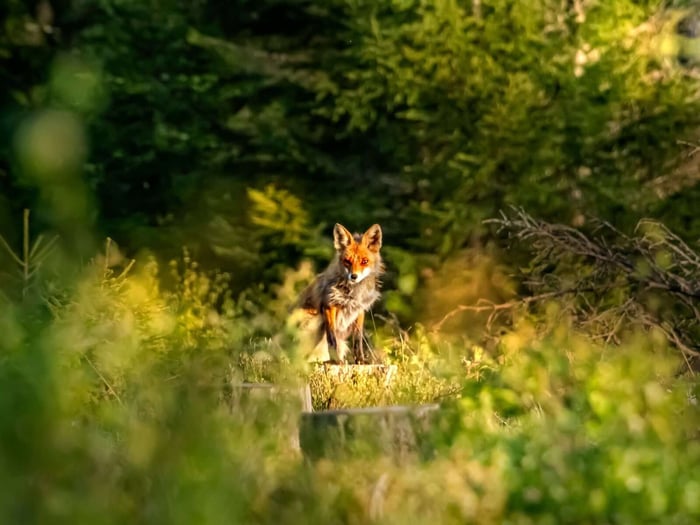
Another chicken keeping mistake that never seems to go away is assuming predators will not be an issue. Many people believe predators are only a problem in rural areas or think they will notice danger before it becomes serious.
The truth is predators exist everywhere. Urban neighborhoods, suburban yards, and rural properties all attract raccoons, foxes, hawks, coyotes, dogs, and even rats. Predators are persistent, patient, and often stronger than expected.
This chicken keeping mistake shows up when runs are made with thin wire, doors rely on simple latches, or coops are placed directly on bare ground without protection underneath. Unfortunately, most people learn this lesson after a loss.
Leaving this chicken keeping mistake in 2025 means designing your setup as if predators are guaranteed to show up eventually. Strong hardware, secure doors, covered runs, and thoughtful placement matter far more than luck.
3. Ignoring Ventilation Until There Is a Problem
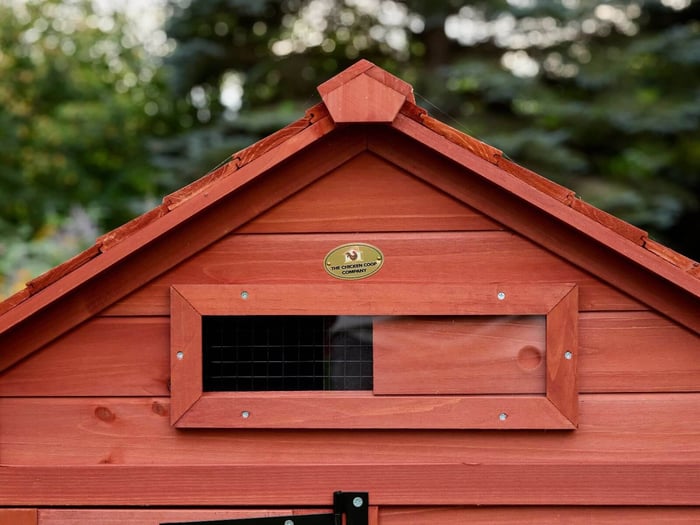
Ventilation is one of the most overlooked aspects of chicken housing and one of the most damaging chicken keeping mistakes long term.
Many people believe blocking airflow keeps chickens warmer in winter. In reality, moisture buildup inside the coop causes frostbite, respiratory problems, and ammonia smell. In summer, poor airflow leads to heat stress and reduced egg production.
Chickens are surprisingly cold hardy but very sensitive to damp, stale air. When ventilation is ignored, signs appear slowly. Wet bedding, fogged windows, sneezing, and comb damage often go unnoticed until they become serious.
Leaving this chicken keeping mistake in 2025 means treating airflow as essential, not optional. Good ventilation should exist year-round and work with the seasons instead of against them.
4. Expecting Chickens to Lay Eggs Nonstop
One of the most emotionally frustrating chicken keeping mistakes is expecting consistent egg production no matter the season or circumstances.
Hens are living animals, not machines. Egg production naturally slows or stops due to shorter daylight hours, molting, stress, age, or extreme temperatures. New chicken keepers often panic when eggs disappear, assuming something is wrong.
This leads to unnecessary interventions, supplements, or changes that only add stress to the flock. In many cases, the chickens are behaving exactly as they should.
Leaving this chicken keeping mistake in 2025 means understanding normal egg cycles and setting realistic expectations. Chickens give eggs generously, but not endlessly, and that rhythm is part of responsible animal care.
5. Choosing Chickens Based on Trends Instead of Reality
Social media has made certain breeds wildly popular, and this has created a new category of chicken keeping mistakes.
Choosing chickens solely because they look unique, or are trending online can lead to disappointment, and a bad environment for that breed. Some breeds are louder, flightier, less cold hardy, or more prone to broodiness than expected.
A chicken that thrives in one climate or setup may struggle in another. Noise tolerance, space requirements, temperament, and egg goals all matter more than aesthetics. We do love ourselves a frizzle or a silkie, but for those of us that have freezing temperatures in the winter, these breeds will not just do well.
Leaving this chicken keeping mistake in 2025 means choosing breeds that match your environment, lifestyle, and expectations, even if they are not the most photogenic.
6. Making Chicken Keeping Harder Than It Needs to Be
One of the most subtle chicken keeping mistakes is assuming that harder means better. Overcomplicating routines, adding unnecessary equipment, or changing systems constantly leads to burnout.
Chickens thrive on consistency. Clean water, good feed, safe housing, and simple routines cover most of their needs. When chicken keeping starts to feel overwhelming, it is often because the setup does not support the keeper.
Leaving this chicken keeping mistake in 2025 means designing your coop, run, and daily routine around your real life. Chicken keeping should add joy and peace to your life, not stress!
Moving Forward With Fewer Chicken Keeping Mistakes
Chicken keeping is a learning process. Even experienced flock owners adjust their systems over time. The difference between frustration and confidence often comes down to recognizing common chicken keeping mistakes early and being willing to change course.
By leaving these chicken keeping mistakes in 2025, you set yourself up for a calmer, more sustainable experience. Your chickens benefit from better care, and you benefit from fewer emergencies and more enjoyment.
The best chicken keepers are not perfect. They are adaptable, informed, and honest about what works and what does not.
FAQs
What are the most common chicken keeping mistakes beginners make?
Buying a coop that is too small, underestimating predators, and expecting constant egg production are among the most common chicken keeping mistakes.
Can experienced chicken keepers still make mistakes?
Yes. Many chicken keeping mistakes happen during expansion, seasonal changes, or when routines stop working for current lifestyles.
How do I know if my coop is too small?
Signs include dirty eggs, aggressive behavior, limited roosting space, and chickens avoiding the coop during the day.
Is ventilation really necessary in winter?
Yes. Ventilation removes moisture and ammonia, which helps prevent frostbite and respiratory problems.
How can I avoid making chicken keeping mistakes in the future?
Plan ahead, learn from multiple trusted sources, and adjust your setup as your flock and experience grow.