
Table of Contents
Quick answer
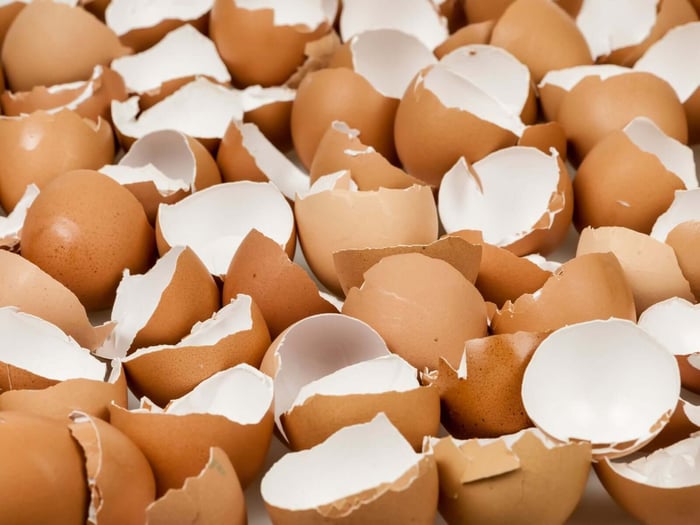
Chicken eggshells are almost entirely calcium carbonate and are genuinely too useful to throw away — crushed and dried eggshells fed back to your hens provide free calcium supplementation for strong future eggs, and mixed into garden soil they improve drainage and add slow-release calcium. Wash and dry shells before crushing to eliminate any bacteria, and feed them back in crushed (not powdered) form so hens don't associate the texture with their own eggs.
Let’s Talk Egg Shells: Why They’re Too Useful to Toss
If you raise chickens, bake often, or simply love eggs for breakfast, chances are you’ve been tossing something surprisingly valuable straight into the trash. Those crunchy leftovers piling up on your counter are far more useful than most people realize. Instead of treating them as waste, egg shells can become a powerful tool for your flock, your garden, and even your household routines.
For backyard chicken keepers especially, learning how to reuse what your flock produces is part of creating a more self-sufficient, thoughtful system. Reusing kitchen scraps like this helps close the loop between coop, kitchen, and garden while reducing waste and saving money. Once you understand how versatile they are, you may never throw them away again.
Below, we’ll break down the most practical, safe, and effective ways to reuse egg shells, starting with the most important one for your flock, then diving into some gardening and household uses that may surprise you.
Give Them Back to Your Chickens (Safely)
One of the best uses of egg shells is giving them back to your flock as a calcium supplement. Laying hens require a steady intake of calcium to maintain strong bones and produce eggs with thick, healthy shells. Without enough calcium, hens may lay thin-shelled or shell-less eggs, and long-term deficiency can lead to serious health issues.
Why They Help Chickens
Egg shells are made primarily of calcium carbonate, the same compound found in many commercial calcium supplements. When prepared properly, they provide a free, natural source of calcium that supports:
Stronger egg shells
Improved laying consistency
Overall skeletal health
This is especially helpful during peak laying seasons or as hens age and their calcium needs increase.
If your chickens free-range and tend to lay in dirty spots, we recommend the GoodEgg Brush for an easy clean!
GoodEgg Brush - The Original Egg Brush™
$ 20.00
The best thing to happen to backyard eggs since, well, ever. Say hello to the future of egg washing. The GoodEgg brush is thoughtfully designed with 650+ silicone nubs to scrub away the little nasties clinging to your eggs as… read more

How to Prepare Them for Chickens
Feeding shells back to chickens must be done carefully to avoid encouraging egg-eating behavior. Here’s the safest method:
Rinse shells thoroughly to remove any egg residue
Bake them at 250–300°F for about 10 minutes to kill bacteria
Let them cool completely
Crush them into very small, unrecognizable pieces
The goal is to make the shells look nothing like eggs. Finely crushed pieces can be mixed into feed, offered free-choice in a separate dish, or sprinkled into scratch.
When prepared this way, egg shells become an easy, no-cost way to support your flock’s diet while cutting down on waste.
Use Egg Shells in Your Garden
Gardeners have been reusing egg shells for generations, and for good reason. They break down slowly, adding valuable minerals to the soil over time. While they won’t instantly transform poor soil, they play a long game that supports healthier plant growth.
Calcium for Plants
Calcium helps plants develop strong cell walls, which improves structure and resistance to disease. In calcium-deficient soils, plants may show signs like blossom end rot in tomatoes or peppers. Adding crushed shells can help maintain more balanced soil conditions.
To use them in the garden:
Crush shells into small pieces
Mix them directly into garden beds or compost
Sprinkle around the base of calcium-loving plants
Because they break down slowly, they’re best used as a preventative soil amendment rather than a quick fix.
Compost Booster
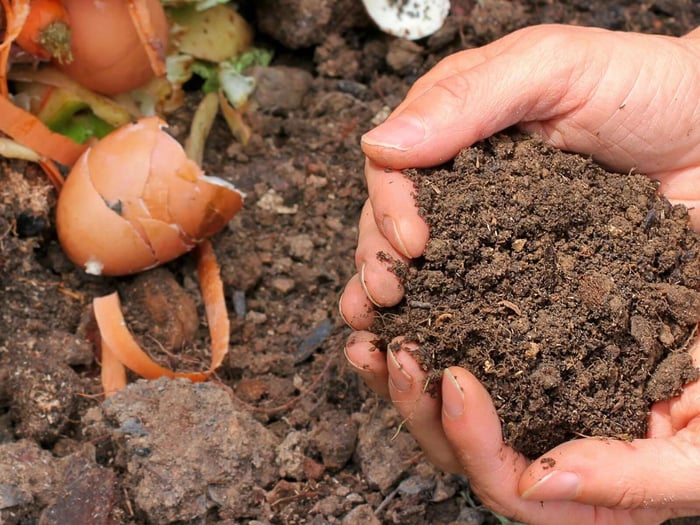
These shells are a great addition to compost piles. They add minerals without contributing odors or attracting pests when handled properly. Crushing them before composting speeds up decomposition and ensures they blend evenly into finished compost.
Over time, compost enriched with egg shells improves soil texture and nutrient diversity, creating healthier growing conditions for vegetables, herbs, and flowers.
Natural Pest Deterrent in Garden Beds
Another surprisingly effective use in the garden is pest control, particularly for soft-bodied garden pests like slugs and snails.
When crushed into sharp, jagged fragments and scattered around vulnerable plants, the rough texture creates an uncomfortable surface that many crawling pests prefer to avoid. While not a guaranteed solution, this method can reduce damage when used alongside other pest-management strategies.
To use them this way:
Rinse and dry shells
Crush into coarse, sharp pieces
Spread in a ring around plant stems
This approach works best in dry conditions and may need to be reapplied after heavy rain. It’s a chemical-free option that fits well into organic gardening practices.
Seed Starters for Gardening Projects
For gardeners who love starting plants from seed, egg shells can serve as biodegradable seed starters. Each half shell acts as a mini pot that provides nutrients as seedlings grow.
How to Use Them as Seed Starters
Crack eggs carefully, saving half shells
Rinse and dry them
Poke a small drainage hole in the bottom
Fill with seed-starting mix
Plant seeds as directed
Once seedlings are ready for transplanting, the entire shell can be planted directly into the ground. As it breaks down, it contributes calcium to the surrounding soil while minimizing transplant shock.
This is a fun, educational project for kids and a great way to reuse materials you already have on hand.
Why Reusing Matters
Reusing egg shells is about more than saving a few dollars. It’s a mindset shift toward making the most of what your home and flock already produce. For chicken keepers, it reinforces a closed-loop system where resources circulate instead of being discarded.
Environmentally, reusing these shells reduces landfill waste and minimizes reliance on packaged garden amendments or supplements. Practically, it turns a byproduct into something useful across multiple areas of your home.
Whether you’re supporting your flock’s health or improving your garden, re-using them offer simple solutions that fit naturally into everyday routines.
Final Thoughts
Once you start seeing kitchen scraps like egg shells as a resource rather than trash, it’s hard to unsee their potential. From calcium support for chickens to healthier soil and creative household uses, they’re a reminder that small changes can have meaningful impact.
The next time you crack an egg, pause before tossing the shell. With just a little effort, those egg shells can become one of the most versatile tools in your chicken-keeping and homesteading toolkit.
FAQs
Can I feed egg shells to chickens every day?
Egg shells can be offered regularly as a calcium supplement, but they should be crushed finely and provided in moderation alongside a balanced diet.
Do egg shells replace oyster shell for chickens?
Egg shells can supplement calcium intake, but oyster shell is more consistent in calcium content and is often recommended as a primary free-choice source.
How long do egg shells take to break down in soil?
Crushed egg shells break down slowly, often taking several months. Crushing them finely helps speed up the process.
Are egg shells safe to add to compost?
Yes. When rinsed and crushed, egg shells are safe for compost and contribute valuable minerals to finished compost.
Can egg shells attract pests?
Clean, dried egg shells generally do not attract pests. Avoid leaving egg residue on shells to reduce odors and unwanted attention.