Table of Contents
- Why Chickens Stop Laying in Winter
- So, When Will Chickens Start Laying Again?
- The Comb: The First Visible Sign
- The Squat: A Nearly Certain Indicator
- Nest Box Curiosity
- Increased Appetite and Oyster Shell Interest
- Energy Shift in the Flock
- What If They Don’t Restart?
- Should You Use Supplemental Lighting?
- What To Do When Signs Appear
- FAQs
If you have chickens, you know winter often means fewer eggs, or sadly none at all. While there are ways to encourage winter laying, such as adding supplemental light, most backyard hens naturally slow down or stop producing during the colder months. It is not laziness. It is biology. As daylight decreases and temperatures drop, chickens redirect their energy toward staying warm, maintaining body condition, and simply getting through the season. The more days that your nesting boxes are empty, the more you will start to ask yourself when will chickens start laying again?!
Then March arrives. The days stretch a little longer. The snow begins to melt. Your flock seems more animated, more vocal, more awake. You find yourself checking the nesting boxes more often — hopeful, but trying not to get your hopes up too much.
And still… no eggs.
If you are wondering when will chickens start laying again, you are not alone. Late winter and early spring bring the same question every year — especially for first-time chicken owners who are experiencing their first seasonal pause.
The good news? In most cases, nothing is wrong. What you are seeing is normal, predictable, and tied directly to daylight and biology.
Let’s walk through why chickens stop laying in winter, what changes in spring, and the reliable signs that eggs are coming soon.
Why Chickens Stop Laying in Winter
Before we answer when will chickens start laying again, we need to understand why they stop in the first place.
Egg production is driven primarily by light. Hens need approximately 14 to 16 hours of daylight per day to sustain consistent laying. As days shorten in fall, their reproductive system slows down naturally. By winter, many flocks experience a noticeable drop in production — or a complete pause.
This is not illness. It is not poor management. It is biology.
Reduced daylight triggers hormonal changes. Estrogen levels fall. Ovulation slows or stops. The hen’s body shifts energy away from egg production and toward maintenance and survival.
For some breeds, winter egg production decreases but does not fully stop. Mediterranean breeds like Leghorns often lay more consistently through winter. Heavier breeds and heritage breeds tend to pause more completely.
If your chickens stop laying eggs between late fall and mid-winter, that is entirely expected.
So, When Will Chickens Start Laying Again?
As daylight increases after the winter solstice, hormonal changes reverse.
Once daylight approaches 12 hours and continues increasing, estrogen begins rising again. This shift typically begins in late February or March depending on your region.
Most backyard flocks restart laying naturally between late winter and mid-spring.
If you are asking when will chickens start laying again, the honest answer is: when daylight consistently increases and their bodies are ready.
For most hens, that means 2 to 6 weeks after noticeable spring daylight gains.
But there are signs to watch for before that first egg appears.
The Comb: The First Visible Sign
If you are trying to predict when will chickens start laying again, start by watching the comb and wattles.
During winter or while out of lay, a hen’s comb is typically:
Pale or dull pink
Slightly shrunken
Cool to the touch
Less vibrant
As estrogen rises in early spring, the comb begins to change.
It becomes:
Deeper red
Fuller and plumper
Slightly warm
More vibrant in tone
This shift can happen over several days to a week. Once you see consistent bright red combs returning, you are likely within a few weeks of eggs.
For pullets laying for the first time, this transformation is especially dramatic. For mature hens, it often happens quickly as daylight increases.
The Squat: A Nearly Certain Indicator
If you are wondering when will chickens start laying again, the squatting behavior is one of the clearest signs.
When you approach a hen and she lowers her body, spreads her wings slightly, and holds still, she is demonstrating a submissive mating posture triggered by hormones.
Even without a rooster, hens will perform this behavior toward their keeper.
Once squatting begins consistently, eggs are typically 1 to 2 weeks away — sometimes even sooner.
It is one of the most reliable signs hens will start laying again after winter.
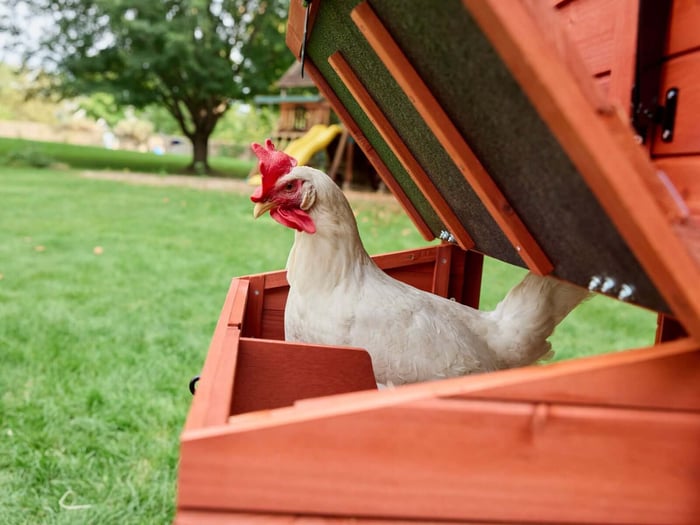
Nest Box Curiosity
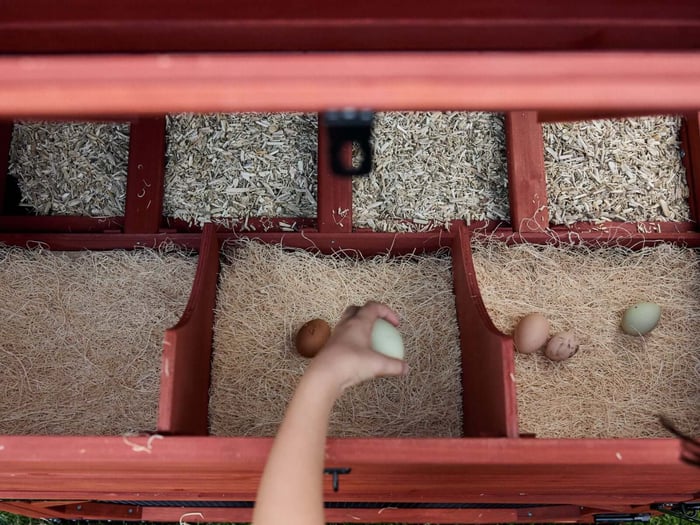
Another early clue when asking when will chickens start laying again is nest box behavior.
Hens preparing to lay begin:
Exploring nest boxes repeatedly
Sitting in them briefly without laying
Rearranging bedding
Guarding boxes from flock mates
This investigative behavior often starts days before the first egg appears.
Placing wooden or ceramic dummy eggs in nest boxes during this period helps reinforce proper laying location, especially for younger hens restarting in spring.
Increased Appetite and Oyster Shell Interest
Egg production requires significant nutrients — especially calcium.
As hens prepare to resume laying, you may notice:
Increased feed intake
More frequent drinking
Stronger interest in oyster shell
If your hens begin actively consuming oyster shell after ignoring it all winter, that is often a sign their reproductive system is coming back online.
Providing free-choice oyster shell before spring laying begins helps prevent thin shells or soft eggs when production resumes.
Energy Shift in the Flock
Sometimes the answer to when will chickens start laying again is less about one specific sign and more about overall flock energy.
Winter flocks tend to feel quieter and more subdued.
As spring approaches, you may notice:
Increased activity
More scratching and foraging
Louder vocalizations
Early versions of the “egg song”
Experienced keepers often sense this shift before seeing any physical signs. There is a subtle but noticeable liveliness that returns before eggs do.
What If They Don’t Restart?
If you are still asking when will chickens start laying again well into late spring, consider these factors:
Age
Hens older than 3–4 years naturally produce fewer eggs. Production declines with age.
Molt
If hens molted late in the fall, they may restart later in spring.
Nutrition
Protein below 16 percent can delay return to lay. Ensure hens are on quality layer feed.
Stress
Predator pressure, flock bullying, or environmental changes can delay egg production.
In most healthy backyard flocks, however, spring laying resumes naturally without intervention.
Should You Use Supplemental Lighting?
Many chicken keepers ask whether artificial lighting will bring hens back into lay sooner.
Supplemental lighting can increase egg production by extending perceived daylight to 14–16 hours. Commercial operations use this method routinely.
However, there are considerations:
It prevents the natural winter rest period.
Continuous production can shorten overall laying lifespan.
Sudden lighting changes can stress hens.
For small backyard flocks, many keepers choose to allow natural seasonal rhythms.
If you do use supplemental lighting:
Add light gradually in the morning rather than evening.
Use a timer for consistency.
Avoid bright, harsh lighting.
There is no single right answer — it depends on your goals.
What To Do When Signs Appear
When you begin seeing early indicators and wondering when will chickens start laying again, prepare by:
Refreshing nest box bedding
Adding dummy eggs
Ensuring oyster shell is available
Confirming layer feed protein is 16–18 percent
Then wait.
The first spring egg — especially after months of winter pause — feels like a small victory every year.
Seasonal laying patterns are not a problem to fix. They are part of keeping chickens in rhythm with nature.
If your chickens stop laying eggs each winter, that is normal. And if you are watching closely this spring, the signs will tell you exactly when eggs are on the way.
FAQs
When will chickens start laying again after winter?
Most backyard hens resume laying between late February and April as daylight increases to 12–14 hours.
Why do chickens stop laying eggs in winter?
Reduced daylight lowers estrogen levels, which slows or pauses egg production naturally.
How long after comb reddening do eggs appear?
Typically 2–4 weeks, though some hens lay sooner.
Do all breeds stop laying in winter?
No. Some breeds slow down, others continue lightly, and heavy breeds often pause completely.
Should I use artificial lighting to increase winter egg production?
Supplemental lighting can increase production, but many backyard keepers prefer allowing natural rest cycles.