Table of Contents
- Watch for the Beginning of Fall Molting
- Pay Extra Attention to Nutrition
- Expect Egg Production to Slow Down
- Give Every Chicken a Quick Health Check
- Adjust to Shorter Days
- Help Your Chickens Adjust to Cooler Weather
- Your End-of-Summer Chicken Checklist
- Prepare Your Chickens for Fall Before the Seasons Change
- FAQs
Days are slowly getting shorter, nighttime temperatures are starting to drop, and before long, many backyard flocks will begin molting and slowing down their egg production. Late summer is the perfect time to prepare your chickens for fall. You don't need to make dramatic changes to your flock's routine or start preparing for freezing temperatures just yet. Instead, this is a good opportunity to check on your chickens, make a few seasonal adjustments, and make sure you're ready for what's coming next.
From molting and nutrition to shorter days and cooler weather, here are eight things every chicken keeper should have on their end-of-summer checklist.
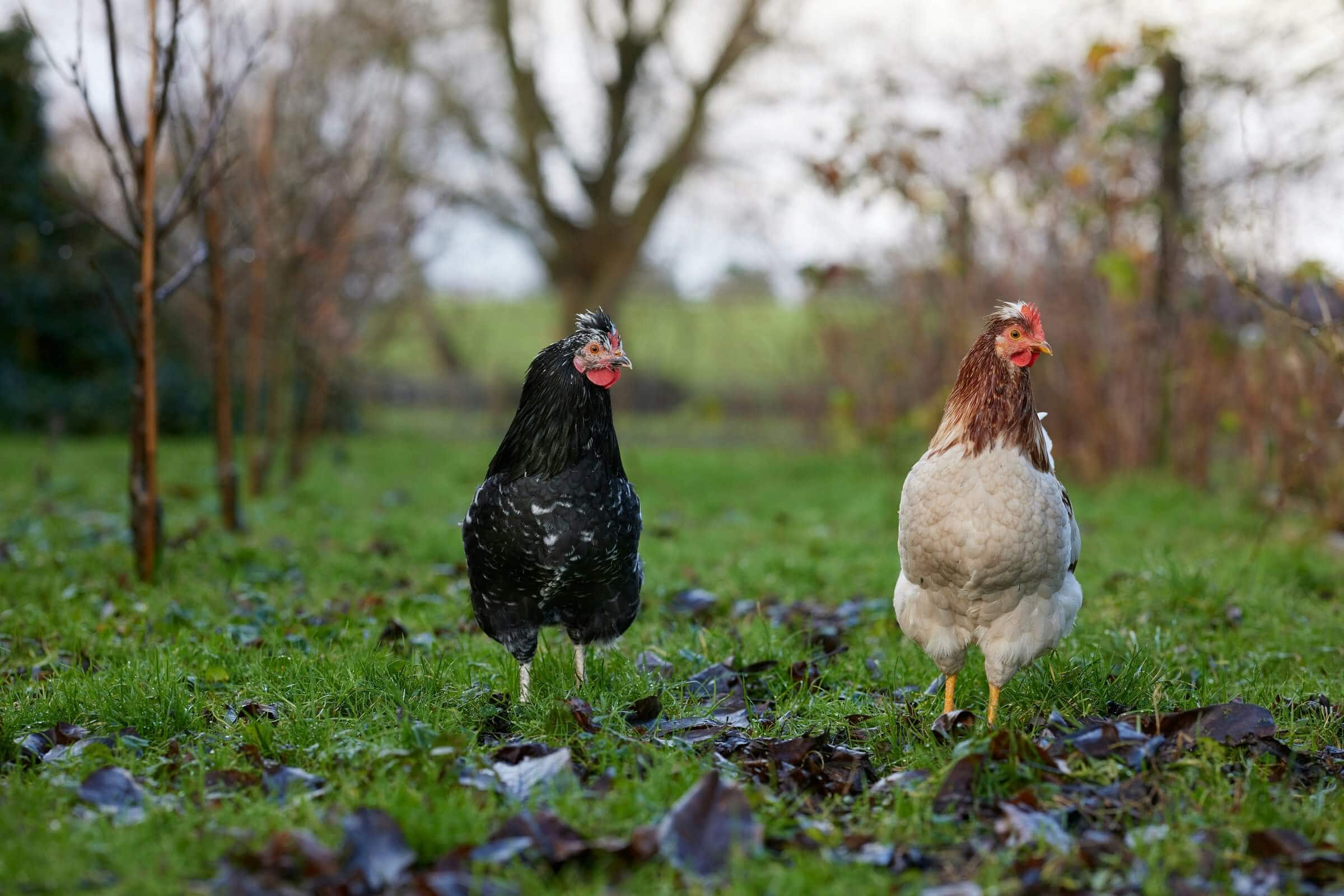
Watch for the Beginning of Fall Molting
One of the biggest seasonal changes you may notice is molting.
Most adult chickens molt periodically, often in the late summer or fall as daylight hours begin to decrease. During a molt, chickens shed older feathers and replace them with new ones.
For first-time chicken keepers, it can look a little alarming.
You may suddenly find feathers scattered throughout the coop and run. Your normally fluffy hen might start looking patchy or scruffy. Some chickens go through a gradual molt that's barely noticeable, while others seem to lose a surprising amount of feathers at once.
Molting is a normal process, but it requires a lot of energy from your chickens. You may also notice your birds becoming a little less active or not wanting to be handled as much while their new feathers are growing.
As you prepare your chickens for fall, start watching for these changes so you can recognize a normal molt and give your flock the support they need.
Pay Extra Attention to Nutrition
Growing an entirely new set of feathers is a big job.
Feathers are primarily made of keratin, a protein, which is one reason nutrition becomes especially important while your flock is molting.
A complete, balanced chicken feed should continue to make up the majority of your chickens' diet. It's tempting to compensate for molting by offering lots of treats, but too many treats can actually dilute the nutrition your chickens are getting from their regular feed.
You can talk with your veterinarian or poultry nutrition expert if you're unsure whether your flock's feed is appropriate for their age and stage of life.
And don't forget about water. Even as the hottest days of summer pass, your flock still needs constant access to fresh, clean water.
When you prepare your chickens for fall, think less about dramatically changing their diet and more about making sure they consistently have access to the nutrition and hydration they need.
Expect Egg Production to Slow Down
If your egg basket suddenly isn't as full as it was in June or July, don't immediately assume something is wrong.
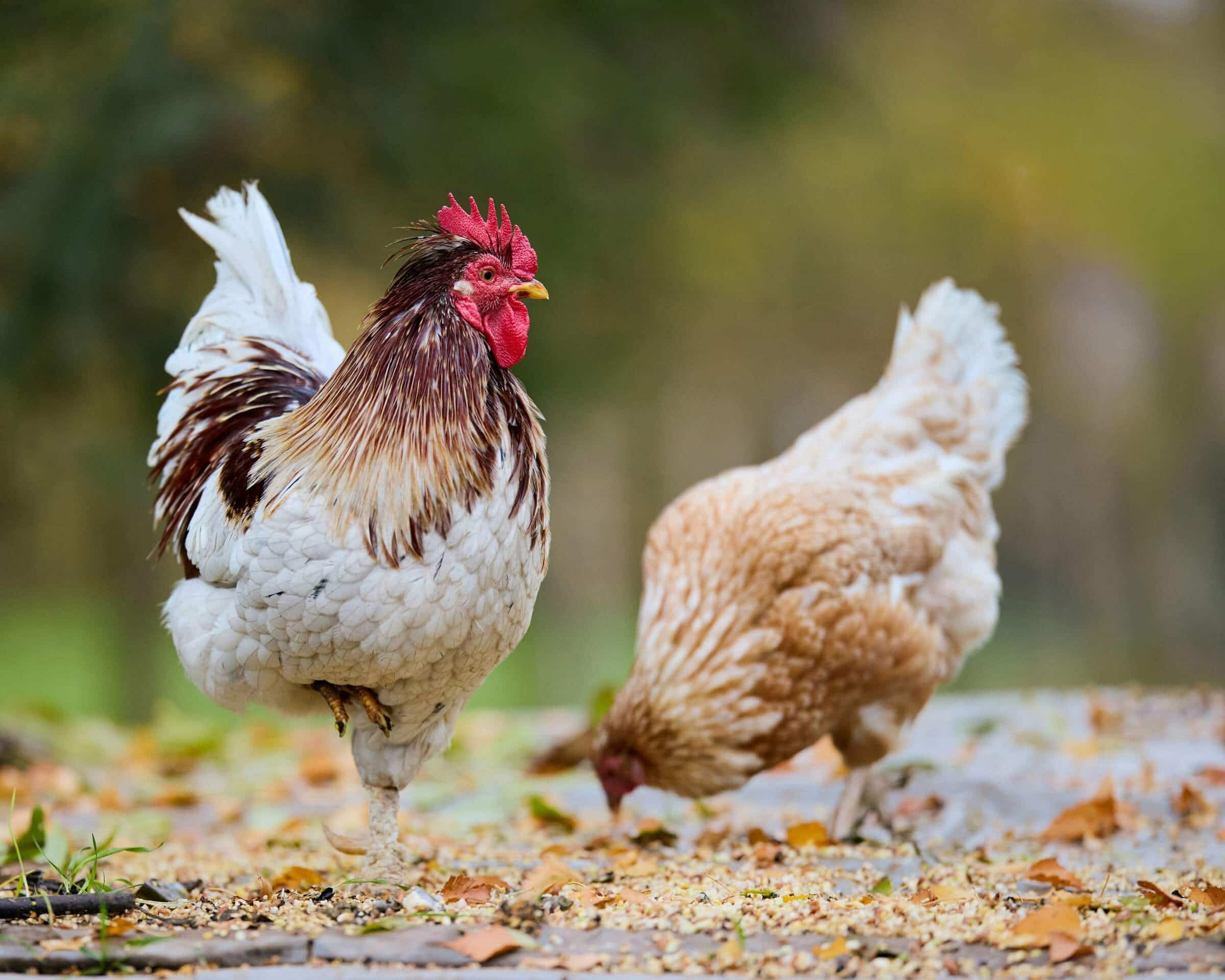
Egg production is closely connected to daylight. As fall approaches and daylight hours decrease, many hens naturally begin laying fewer eggs.
Molting can slow production even further.
Growing new feathers requires significant energy, and a hen's body may redirect resources away from producing eggs while she molts. Some chickens may stop laying temporarily, while others simply produce fewer eggs.
Breed, age, health, nutrition, weather, and individual differences can all affect how much a hen's laying changes throughout the season.
This is one of the most important things to know when you prepare your chickens for fall, especially if this is your first year raising chickens.
Rather than judging your flock's health solely by the number of eggs you're collecting, pay attention to the entire bird. If she's eating, drinking, moving normally, and otherwise behaving like herself, a seasonal decrease in eggs may simply be part of the transition into fall.
Give Every Chicken a Quick Health Check
Seasonal transitions are a great reminder to slow down and take a closer look at every member of your flock.
Chickens can be surprisingly good at hiding when something is wrong, so knowing what is normal for each bird can help you spot changes sooner.
Take a few minutes to look over each chicken.
Check their eyes, comb, wattles, legs, feet, feathers, and overall body condition. Look underneath feathers for signs of mites or lice and check feet for cuts, swelling, or other abnormalities.
You should also observe your flock when they're simply going about their day.
Ask yourself:
Is everyone eating?
Is everyone drinking?
Are they walking normally?
Is anyone separating themselves from the flock?
Does anyone seem unusually tired or quiet?
Have you noticed a sudden change in weight or appearance?
Not every change means your chicken is sick. A molting chicken, for example, can look very different from her summertime self. The important thing is noticing changes and investigating anything that seems unusual.
A basic flock check is one of the easiest things you can do as you prepare your chickens for fall.
Adjust to Shorter Days
Your chickens don't check the sunset time on their phones, but they're very aware of changing daylight.
As the days get shorter, you may notice your flock heading toward the coop earlier in the evening. Their daily routine naturally adjusts with the amount of available daylight.
That means your routine may need to adjust too.
If you manually close your chickens into their coop every night, start checking on them a little earlier as fall approaches.
If you use an automatic chicken coop door that's controlled by a timer, periodically check the opening and closing times and adjust them as necessary.
You don't want your flock settling down for the night while their coop door is still scheduled to stay open for another hour.
Shorter days are also part of the reason egg production can decrease during fall. These seasonal changes are connected, which is why paying attention to daylight is an important part of how you prepare your chickens for fall.
Help Your Chickens Adjust to Cooler Weather
Chickens are often more tolerant of cold weather than new chicken keepers expect, particularly healthy adult birds with full feathering.
That doesn't mean weather doesn't matter.
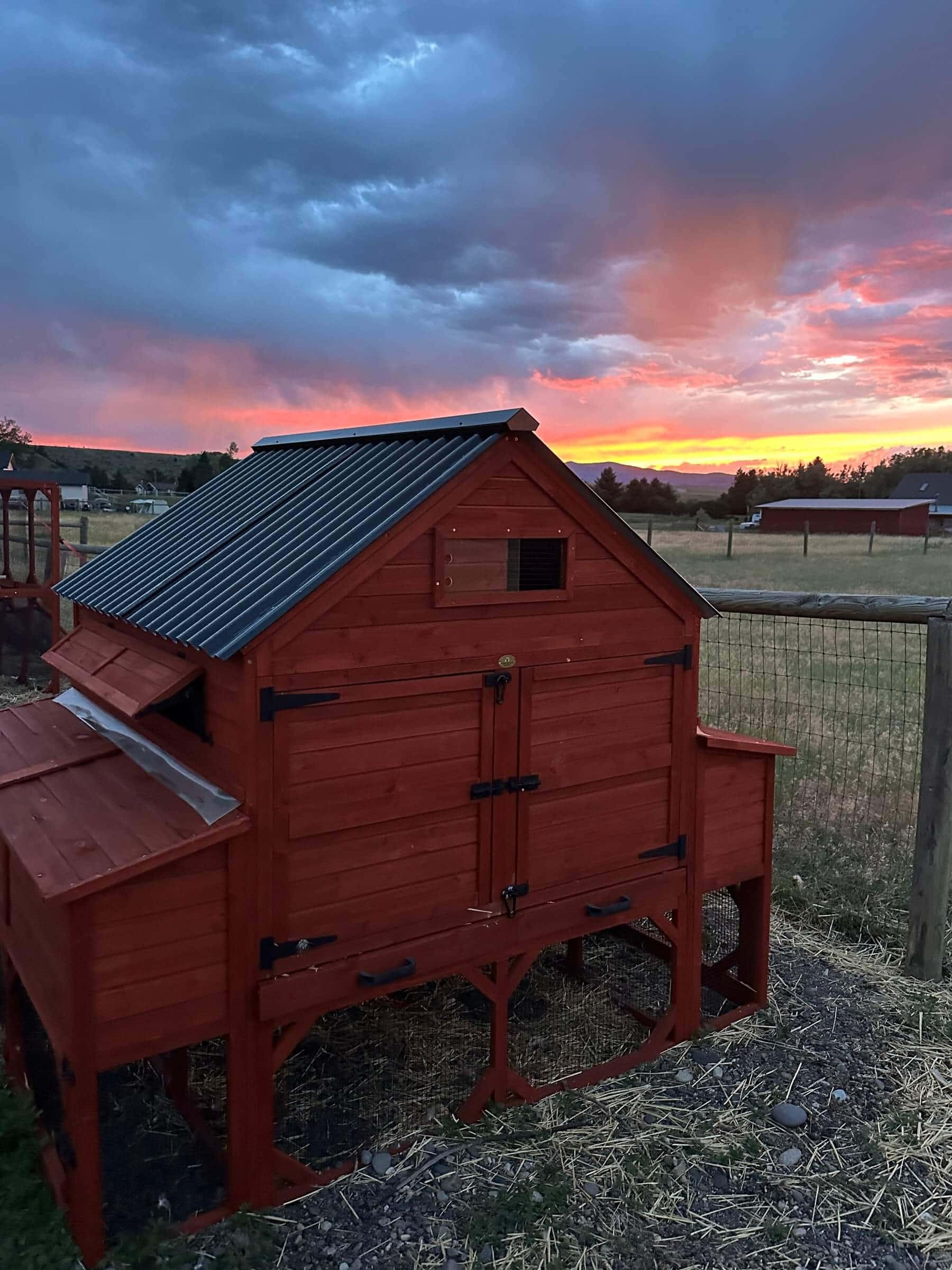
As nighttime temperatures begin dropping, make sure your chickens have a dry place where they can get out of rain, wind, and severe weather.
Moisture can become especially problematic as temperatures cool. Your chickens' shelter should stay dry while still providing adequate ventilation.
Resist the temptation to completely seal everything up at the first sign of cooler weather. Chickens produce moisture through their breathing and manure, and adequate ventilation helps that moisture escape.
Your flock's specific cold-weather needs will depend on factors including breed, age, health, feathering, and your local climate.
At this point in the season, you don't necessarily need to fully winterize. The goal is simply to prepare your chickens for fall and make sure you're ready to make additional adjustments when colder weather actually arrives.
Your End-of-Summer Chicken Checklist
When you're ready to prepare your chickens for fall, start with these basics:
Watch your flock for signs of molting
Make sure chickens are eating a complete, balanced diet
Keep fresh, clean water available at all times
Expect egg production to begin decreasing
Give each chicken a basic health check
Watch for mites, lice, injuries, or unusual behavior
Adjust your evening routine as sunset gets earlier
Make sure your flock has a dry, well-ventilated place to sleep
Start planning for freezing temperatures and winter water
Stock up on basic supplies before colder weather arrives
Prepare Your Chickens for Fall Before the Seasons Change
Fall doesn't arrive all at once.
The days slowly get shorter. Nights get a little cooler. You start noticing feathers around the coop. Then one day you realize you're collecting fewer eggs than you were a month ago.
These are all normal seasonal changes.
Taking a little time at the end of summer to prepare your chickens for fall can make that transition easier for both you and your flock.
Keep an eye on molting, maintain good nutrition and hydration, watch your chickens for health changes, and begin adjusting your routine as daylight and temperatures change.
You don't need to overhaul everything overnight.
Pay attention to your flock, stay ahead of the changing weather, and use these final weeks of summer to get ready for the season ahead.
FAQs
When should I prepare my chickens for fall?
Late summer is a good time to begin preparing chickens for fall. You may start noticing shorter days, cooler nighttime temperatures, molting, and changes in egg production before fall officially begins. Starting early gives you time to adjust your routine and prepare for colder weather gradually.
Why do chickens molt in the fall?
Many adult chickens molt as daylight hours decrease, shedding older feathers and growing new ones. Molting is a normal process and can last several weeks. During this time, chickens may look scruffy and egg production may decrease or temporarily stop.
Should I change my chickens' food during the fall?
A complete and balanced chicken feed should remain the foundation of your flock's diet. Molting chickens are growing new feathers, making good nutrition particularly important. Avoid allowing excessive treats to replace the balanced nutrition your chickens receive from their regular feed.
Why do chickens lay fewer eggs in the fall?
Decreasing daylight is one of the primary reasons chickens may lay fewer eggs during the fall. Molting can also contribute to lower production because chickens are using energy to grow new feathers. Age, breed, health, nutrition, and other factors can also affect seasonal egg production.
Do chickens get cold in the fall?
Healthy adult chickens with full feathering can generally handle cooler temperatures well when they have access to a dry, well-ventilated shelter protected from harsh weather. However, cold tolerance can vary by breed, age, health, and climate, so continue monitoring your individual flock as temperatures decrease.