Table of Contents
Quick answer
Egg shell color is determined entirely by the hen's breed — it has no effect on nutrition, flavor, or quality. White Leghorns lay white eggs; Rhode Island Reds lay brown; Easter Eggers lay blue, green, and olive; Marans lay deep chocolate brown; and Cream Legbars lay sky blue. The yolk color, which IS affected by diet, tells you far more about egg quality than the shell.
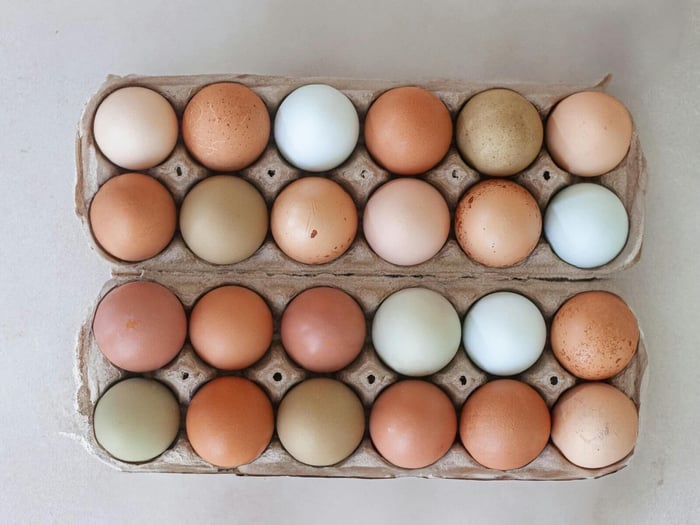
If you are new to backyard chickens, one of the most exciting discoveries is how many different egg colors exist. While grocery store eggs are usually white or light brown, a backyard flock can produce a beautiful basket filled with shades of blue, green, chocolate brown, and even eggs that appear purple. Understanding chicken egg color helps when choosing breeds for your flock. Egg color is determined primarily by genetics, which means different breeds consistently lay specific colors. Some chickens lay bright white eggs, others lay deep brown or chocolate eggs, and a few special breeds produce blue or green eggs.
In this guide, we will walk through the most common chicken egg color categories and the breeds that produce them. If you are planning a flock for both egg production and variety, this guide can help you decide which breeds to add to your backyard.
What Determines Chicken Egg Color?
It's genetics! Each breed carries genes that determine the pigment added to the eggshell during the laying process. Some chickens deposit white shells with no pigment, while others add brown or blue pigments to the shell as the egg moves through the hen’s reproductive tract.
For example, breeds like Leghorns lay white eggs because no pigment is added to the shell. Brown egg layers deposit a pigment called protoporphyrin late in the egg forming process, which creates shades ranging from light brown to dark chocolate.
Blue egg laying breeds work differently. Chickens such as Ameraucanas and Cream Legbars produce a pigment called oocyanin, which colors the entire shell blue. Green eggs occur when a brown pigment is layered over a blue egg shell. This is why crosses like Olive Eggers can produce olive or moss colored eggs.
Because egg color is determined by genetics, a hen will lay the same chicken egg color for her entire life, although the shade may become slightly lighter or darker over time.
| Color: | White | Brown | Blue | Green |
| Breed: |
|
|
|
|
White Eggs
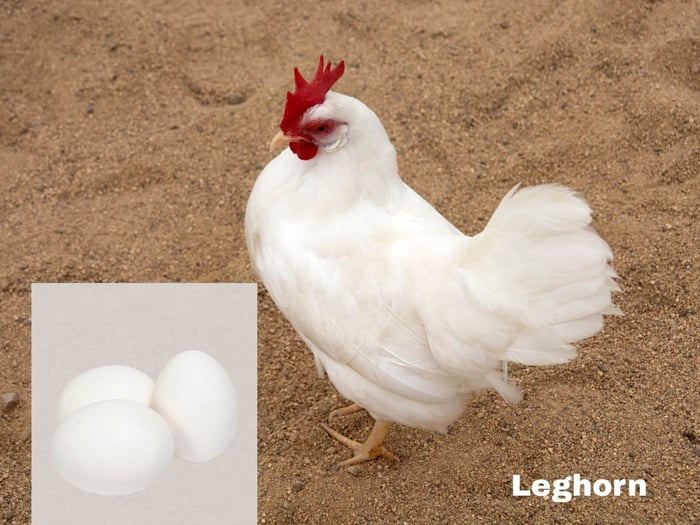
White eggs are some of the most common eggs in the world and are known for their clean appearance and reliable production. Many white egg layers are excellent producers, which is why commercial egg farms often raise these breeds.
Several backyard breeds also lay white eggs and can do very well in small flocks.
Leghorn
Leghorns are one of the most famous white egg layers in the world. They are known for producing a large number of eggs and are extremely efficient layers.
Leghorns tend to be active birds that enjoy foraging and exploring. While they can be a little more independent than some backyard breeds, their productivity makes them a favorite for people who want a steady egg supply.
Polish
Polish chickens are easily recognized by their dramatic feather crests that resemble a fluffy hat. They are not usually kept for egg production alone, but they still contribute to the chicken egg color variety by laying small white eggs.
Polish chickens are often gentle and entertaining to watch, making them popular with families and backyard hobby flocks.
Hamburg
Hamburg chickens are another breed that lays white eggs. They are lightweight, active birds that enjoy free ranging and tend to do well in flocks that have space to roam.
Their distinctive feather patterns and alert personalities make them a unique addition to backyard coops.
Andalusian
Andalusian chickens are known for their beautiful slate blue feather coloring and their ability to produce white eggs consistently. They are energetic birds that thrive in warmer climates.
If you want a mix of productivity and interesting feather patterns, Andalusians are a great option.
Brown Eggs (Including Dark Brown)
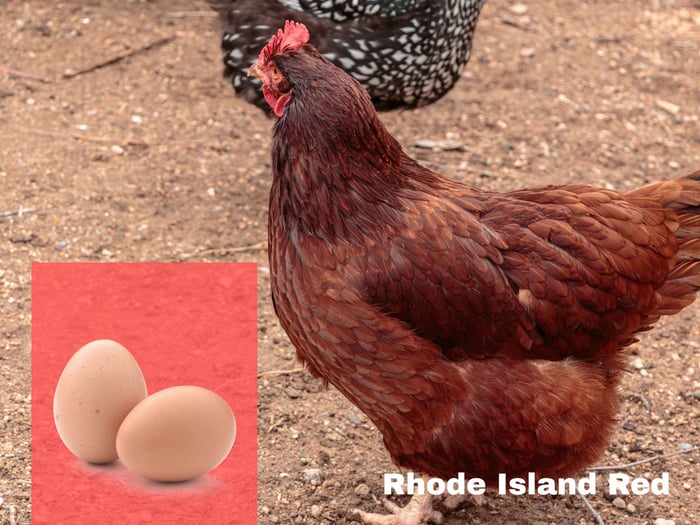
Brown eggs are the most common egg color found in backyard flocks. However, not all brown eggs are the same. Some breeds lay light brown eggs while others produce deep chocolate colored eggs.
When people talk about chicken egg color, brown eggs are often the first type they think of.
Rhode Island Red
Rhode Island Reds are one of the most popular backyard breeds. They are hardy, adaptable, and known for laying medium to dark brown eggs.
They are also well suited for colder climates, which makes them a reliable option for many backyard chicken keepers.
Buff Orpington
Buff Orpingtons are one of the most popular backyard chicken breeds, known for their calm personalities and beautiful golden feathers. They are gentle birds that are easy to handle, which makes them a great choice for families or first time chicken owners.
Buff Orpingtons lay consistent light brown eggs and are reliable producers throughout much of the year. Because of their friendly temperament and dependable egg laying, they are often one of the first breeds people add to a backyard flock.
Australorp
Australorps are famous for their egg laying ability. In fact, the breed holds records for egg production.
They lay light brown eggs and are known for their calm personalities, making them easy birds to keep in backyard environments.
Marans
Marans are known for producing some of the darkest eggs in the world. Their eggs are often described as chocolate colored and are highly sought after by backyard chicken keepers.
When discussing chicken egg color, Marans are almost always mentioned because of their distinctive dark brown eggs. Black Copper Marans in particular are known for producing especially rich egg colors.
Blue Eggs
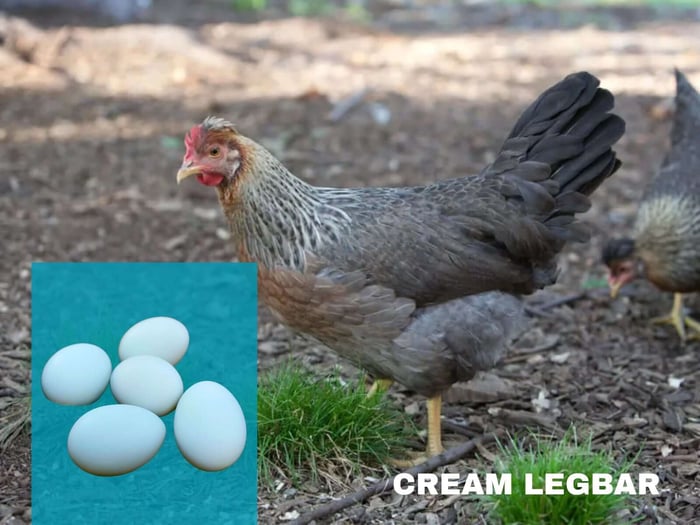
Blue eggs are one of the most exciting additions to a backyard egg basket. The blue color comes from a genetic trait that affects the shell throughout the entire egg.
Several breeds consistently produce blue eggs.
Ameraucana
Ameraucana chickens are well known for laying beautiful blue eggs. They also have distinctive facial feathers called muffs and beards.
These birds are friendly and adaptable, which makes them a popular choice for backyard flocks.
Easter Egger
Easter Eggers are often confused with Ameraucanas, but they are technically not the same breed.
Easter Eggers are mixed breed chickens that carry the blue egg gene. Because of this, they can lay eggs that range from blue to green and sometimes even pinkish shades.
Their unpredictable egg colors make them a fun addition when you want variety in your chicken egg color basket.
Cream Legbar
Cream Legbars are another breed that reliably produces blue eggs. They are unique because they are auto sexing, meaning you can often tell males and females apart shortly after they hatch.
Cream Legbars are active birds that enjoy foraging and can be excellent egg layers in backyard setups.
Green Eggs
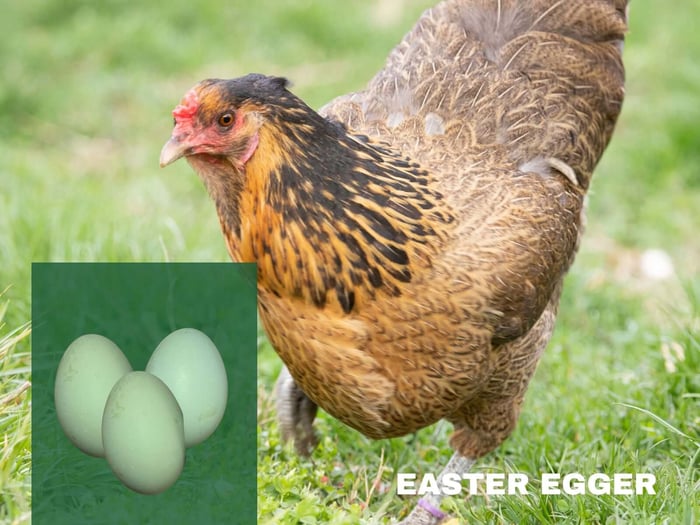
Green eggs occur when a brown egg pigment is layered over a blue egg shell. This combination creates a range of shades from pale green to deep olive.
Green eggs add beautiful color variation when collecting eggs from your flock.
Easter Egger
Because Easter Eggers carry the blue egg gene, they sometimes lay green eggs depending on their genetics.
This variation makes them one of the most interesting contributors to chicken egg color diversity in backyard flocks.
Olive Egger
Olive Eggers are typically created by crossing a blue egg laying breed with a dark brown egg layer such as a Marans.
The result is a chicken that lays deep green or olive colored eggs. Many chicken keepers intentionally breed Olive Eggers to create unique egg shades.
Why Some Eggs Look Pink or Purple
You may occasionally see eggs that appear pink or even purple. However, these colors are not actually produced by a chicken's genetics.
Instead, the color comes from something called the bloom.
The bloom is a natural protective coating that hens add to the egg as it is laid. This coating helps protect the egg from bacteria and moisture loss.
In some cases, especially with dark brown eggs from breeds like Black Copper Marans or Olive Eggers, a very thick bloom can create a slightly purple or pink appearance.
This visual effect adds another interesting variation to the world of chicken egg color, even though the shell underneath is usually brown or olive.
Choosing Breeds for a Colorful Egg Basket
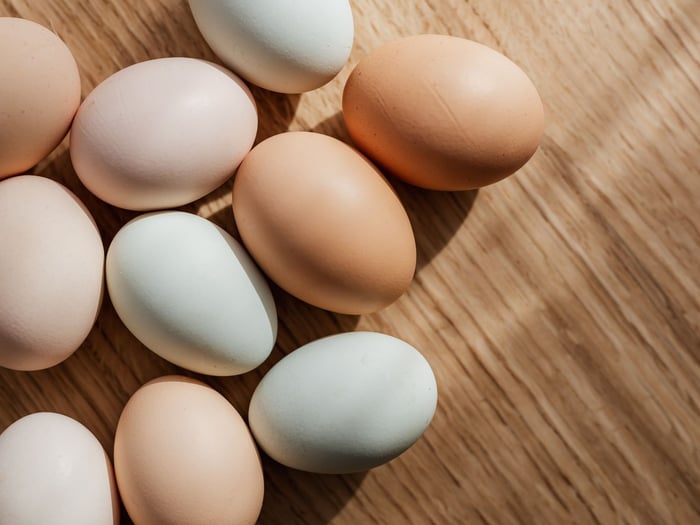
If your goal is to collect a colorful egg basket, the key is choosing a variety of breeds that lay different egg colors.
For example, a flock that includes:
- Leghorns for white eggs
- Rhode Island Reds for brown eggs
- Marans for dark chocolate eggs
- Ameraucanas for blue eggs
- Olive Eggers for green eggs
can create a beautiful range of chicken egg color in your daily egg collection.
If you are not sure which breeds fit your climate or space, using a breed selection tool can help narrow down options based on egg color, temperament, and egg production.
Planning Your Coop for Your Flock
Once you have decided which breeds you want, it is important to make sure your coop and run are sized appropriately for your flock.
Different breeds can live together peacefully, but they still need enough space to stay healthy and comfortable. Overcrowding can lead to stress, feather pecking, and reduced egg production.
When planning your setup, consider:
- enough coop space for all birds
- safe nesting boxes for egg laying
- a secure run for daily activity
- good ventilation and protection from predators
Choosing a coop sized for your flock helps ensure that your chickens stay comfortable while producing eggs consistently.
Many backyard chicken keepers also choose walk in runs so their flock has plenty of room to move, scratch, and forage safely.
A well designed setup helps support healthy chickens and steady egg production, regardless of which chicken egg color breeds you choose.
BUNDLE: Orpington Lodge Chicken Coop + Run Extension + Run Roof

$ 1,199.00
$ 1,350.00
Hen House, Run Extension, and Run Roof Together! Our mission is to give every family, regardless of where they live, access to a safe, secure, and good-looking coop for their flock. We're offering a special bundle of our best-selling chicken… read more
Chicken Coop for 10 Chickens – Rhode Island Homestead Coop with Run Extension Options

$ 1,399.00
$ 1,599.00
This Rhode Island Homestead Hen House with Run Extension Options is eggstatic!! So why does it say chicken coop for 10 chickens? There are factors to consider: what chicken breeds are you getting, are you able to let them free… read more
Chicken Coop for 15 Chickens – Brahma Chicken Coop

$ 2,599.00
$ 2,999.00
Our biggest coop ever the Brahma Chicken Coop is ready for your large flock to call home!! The Brahma Coop comfortably fits 15 large breed chickens or 18 small breed chickens. Capacity also depends on whether your flock free ranges… read more
Whether you prefer classic brown eggs or a colorful rainbow basket, understanding chicken egg color makes choosing the right breeds for your backyard flock much easier.
FAQs
Do different colored eggs taste different?
No. Egg color does not affect flavor or nutrition. The taste of eggs depends more on a chicken's diet and overall health than the shell color.
What breed lays the darkest eggs?
Marans, especially Black Copper Marans, are known for laying some of the darkest chocolate brown eggs.
Are blue eggs natural?
Yes! Breeds like Ameraucana and Cream Legbar naturally produce blue eggs due to a genetic trait that colors the entire shell.
Why do some eggs look purple?
Purple looking eggs usually come from a heavy bloom coating on dark brown or olive eggs. The shell itself is usually brown or green underneath.
Can one chicken lay different colored eggs?
No. A single chicken will consistently lay the same egg color throughout her life, though the shade may vary slightly based on the bloom on each egg laid.