
Table of Contents
Quick answer
The spring chicken coop upgrades that deliver the most value are: an automatic door opener (eliminates the morning rush and protects birds from predators), a droppings board under roosts (cuts cleaning time by 70%), a heated waterer swap-out, and a hardware cloth apron if you don't already have one. These four improvements pay for themselves in flock health and time saved within one season.
Spring is when most backyard chicken keepers start paying closer attention to their coop again. After a long winter, you clean out bedding, refresh nesting boxes, and check the structure for any damage from snow, moisture, or predators. It is the season when your flock becomes more active, egg production begins increasing again, and you start spending more time outside with your chickens.
Once the basic cleaning and inspection are done, many owners realize there are a few things that could make their setup easier, safer, or more enjoyable. This is where thoughtful chicken coop upgrades can make a real difference. The right improvements can reduce daily chores, keep your flock healthier, and help your coop function better during the warmer months ahead.
The good news is that you do not need to completely rebuild your coop to improve it. A few smart upgrades can dramatically change how your coop operates and how much time you spend managing it. Some upgrades focus on convenience, while others support your flock’s health and safety.
If you are wondering where to start, here are six chicken coop upgrades worth making this spring and why they matter for both you and your birds.
Why Spring Is the Best Time for Chicken Coop Upgrades
Spring is the ideal time to think about chicken coop upgrades because your flock’s behavior and the environment are both changing. Chickens become more active as daylight hours increase, egg production ramps up, and warmer temperatures create new challenges like mites, humidity, and heat.
Upgrading your coop in spring prepares your setup for the busy months ahead. It allows you to improve airflow before summer heat arrives, create better nesting spaces for increased egg laying, and expand your run before your chickens begin spending more time outside.
Spring projects also tend to be easier to complete. The weather is more comfortable for outdoor work, materials are easier to handle without freezing temperatures, and your birds naturally spend more time exploring outside the coop while you work.
Many chicken keepers find that a few well planned chicken coop upgrades in early spring save them countless hours of maintenance throughout the rest of the year.
1. Automatic Coop Door
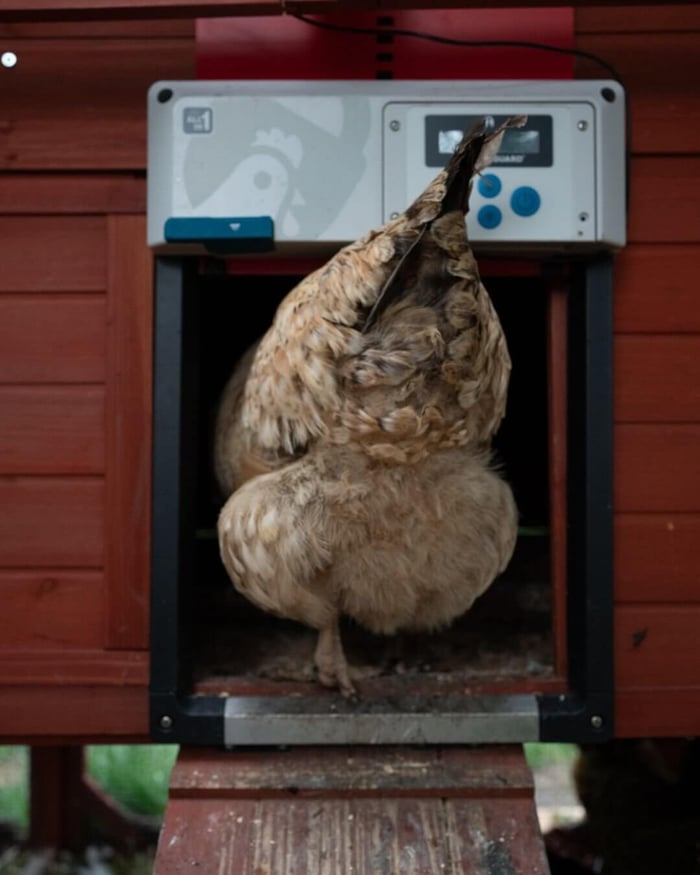
One of the most practical chicken coop upgrades you can make is installing an automatic coop door.
Closing the coop manually every night might seem simple, but it quickly becomes one of the most inconvenient daily tasks in chicken keeping. Predators such as raccoons, foxes, and coyotes are most active at dusk, and forgetting to close the coop door can put your flock at risk.
An automatic coop door solves this problem by opening and closing on a timer or light sensor. The door opens in the morning when the sun rises and closes automatically at dusk when your chickens return to the coop.
This upgrade offers several benefits:
• It improves flock safety by ensuring the coop closes consistently every night
• It removes the need to be home at sunset
• It makes travel and busy evenings much easier to manage
Many chicken keepers say this is the upgrade that immediately changes their daily routine. If you are considering your first major chicken coop upgrades this spring, an automatic door is often the one that makes the biggest difference.
2. Walk-In Run Extension
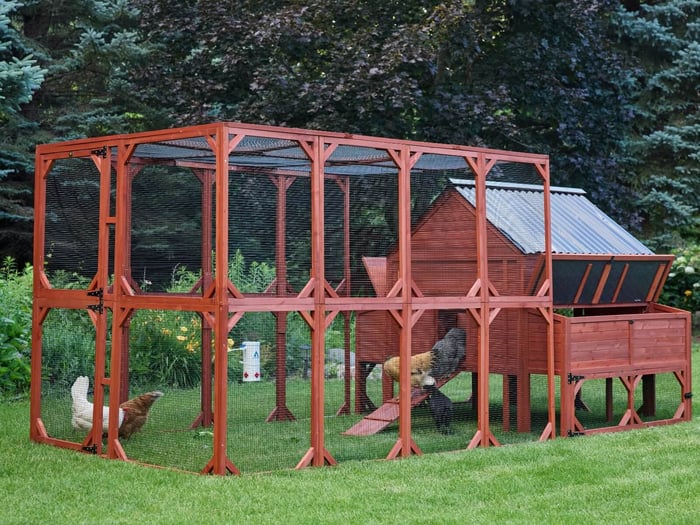
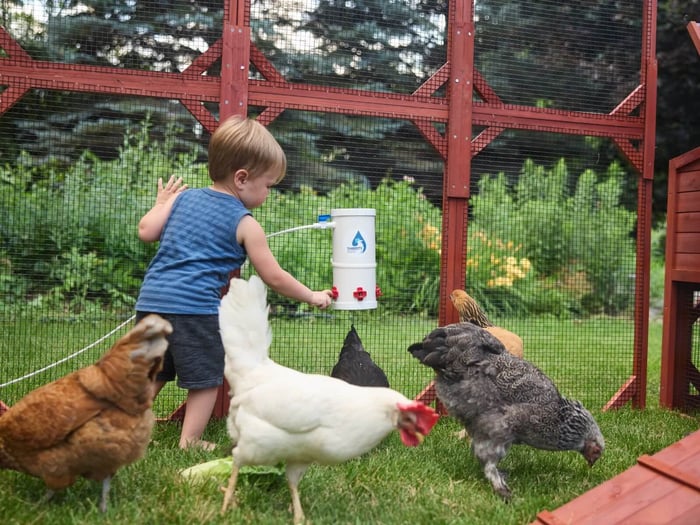
Space is one of the most important factors in keeping a healthy and calm flock. Chickens that have more room to move, forage, and explore tend to experience fewer behavioral issues like feather pecking or bullying.
Adding a walk in run extension is one of the most valuable chicken coop upgrades you can make if your birds are spending most of their time inside a small run.
A larger run gives chickens more room to scratch, dust bathe, and move around safely. It also reduces stress within the flock by allowing birds to spread out instead of competing for space.
Walk in runs offer another benefit for chicken owners. Being able to stand inside the run makes everyday tasks like refilling feeders, cleaning, and checking on your birds much easier. Instead of crouching or reaching through small doors, you can walk in and manage the space comfortably.
Some chicken keepers rely on free ranging for extra space, but a secure run extension provides safety from predators while still allowing chickens to enjoy outdoor activity. For many backyard flocks, expanding the run becomes one of the most impactful chicken coop upgrades for both chicken health and owner convenience.
3. Improve Coop Ventilation and Climate Control
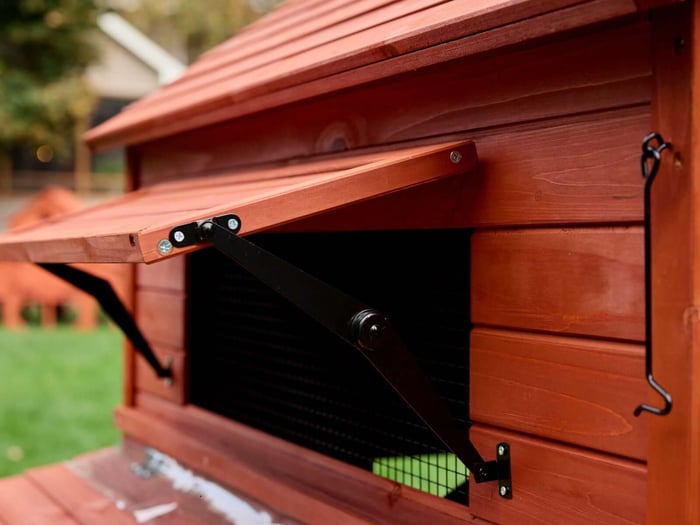
Good ventilation is one of the most overlooked aspects of chicken coop design. Many coops trap heat and moisture, which can quickly lead to unhealthy conditions for your flock.
As temperatures begin rising in spring, improving airflow becomes one of the most important chicken coop upgrades you can make.
Proper ventilation helps remove moisture, ammonia from droppings, and excess heat. Without airflow, humidity can build up inside the coop, creating conditions that encourage respiratory issues and parasites.
There are several ways to improve ventilation:
• Adding screened vents or adjustable windows
• Ensuring air can flow near the roofline
• Increasing shaded airflow around the coop
Climate control upgrades also help your flock handle temperature changes. Systems designed to support airflow and regulate temperature can keep the coop cooler during hot weather while still protecting birds from drafts.
When planning chicken coop upgrades, improving ventilation and climate control is one of the best ways to support your flock’s health during the warmest months of the year.
4. Refresh and Improve Nest Boxes
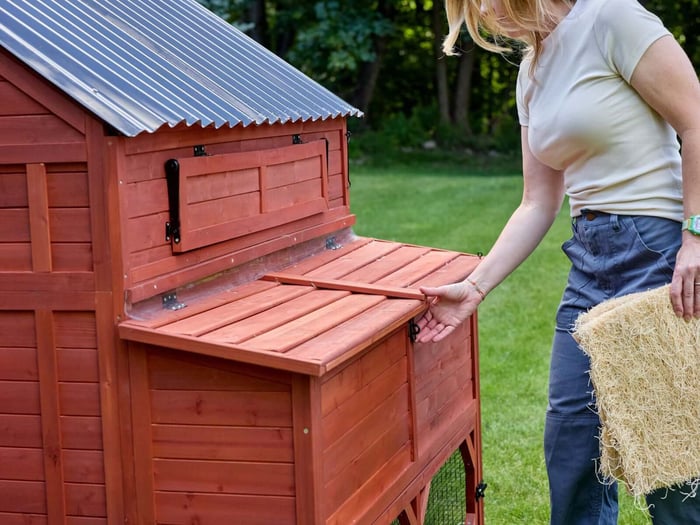
Spring is when egg production often increases again after winter slowdowns. If your hens are preparing to lay more frequently, it is a good time to refresh your nesting area.
Nest boxes do not need to be complicated, but they should provide a quiet, comfortable space for hens to lay eggs.
Simple improvements can make a big difference:
• Replace old bedding with fresh nesting material
• Add nesting pads for easier cleaning
• Check that boxes are dark and private
• Place dummy eggs in the boxes to encourage laying
Many chicken keepers also discover that adding one or two additional nest boxes reduces competition within the flock. A common rule of thumb is one nest box for every three to four hens.
Keeping nesting boxes clean and comfortable encourages hens to lay in the correct location instead of random corners of the coop. Among the smaller chicken coop upgrades you can make, refreshing the nest box area often improves egg collection and cleanliness immediately.
5. Create a Dedicated Dust Bath Area
Dust bathing is a natural behavior that helps chickens keep their feathers clean and control mites or parasites. In spring and summer, when insects become more active, dust bathing becomes even more important.
While chickens will often find their own dust bath areas in loose soil, creating a dedicated spot in the run is one of the easiest chicken coop upgrades you can make for flock health.
You do not need to buy special equipment for this. Many chicken keepers create dust baths using simple materials such as:
• An old tire filled with sand and soil
• A shallow wooden box
• A corner of the run with loose dirt and wood ash
• A plastic tub filled with sand and diatomaceous earth
The goal is to create a dry, loose material where chickens can roll and coat their feathers.
Providing a reliable dust bath area helps reduce parasites and gives chickens an activity they naturally enjoy. It is a simple addition that fits well into most chicken coop upgrades and encourages natural behavior in your flock.


FAQs
What are the most important chicken coop upgrades for beginner
Many beginners start with an automatic coop door, better feeders and waterers, and improved ventilation. These upgrades simplify daily chores and help maintain a healthier coop environment.
Do chickens need a dust bath area in their coop or run?
Yes. Dust baths help chickens control mites and keep their feathers clean. Providing a dedicated area with sand or loose soil encourages this natural behavior.
How much space should chickens have in a run?
A common recommendation is at least 8 to 10 square feet per chicken in a run. Adding a run extension is one of the most helpful chicken coop upgrades if your flock seems crowded.
Why is ventilation important in a chicken coop?
Ventilation removes moisture, ammonia, and heat from the coop. Good airflow helps prevent respiratory problems and keeps chickens more comfortable during warm weather.
Are automatic coop doors safe for chickens?
Yes, when properly installed. Automatic doors help ensure the coop closes every night, reducing the risk of predator attacks if you forget to close the door manually.