
Table of Contents
Quick answer
Moving chicks to the main coop should happen around 6–8 weeks old when they're fully feathered and the outdoor temperature stays above 65°F — but never just toss them in with adult hens. Use a 'see but don't touch' introduction period of 1–2 weeks first (a wire partition in the run), then supervised free-range time, then overnight integration. Rushing this process almost always results in injury.
Moving Chicks to the Coop: When & How to Do It Right

Congrats, your flock has made it to Phase 4!
Moving Chicks to the Coop: When & How to Do It Right
Moving chicks to the coop is one of the most satisfying milestones in raising chickens — and one of the most anxiety-inducing for first-timers. Get the timing right, and your chicks settle in without a hiccup. Rush it, and you're dealing with cold, stressed birds or a full-scale pecking war with your existing hens.
Here's exactly how to do it right.
The short answer: Most chicks are ready for moving to the coop between 4 and 6 weeks old, once they're fully feathered and nighttime temps are consistently above 50°F. If you're introducing them to an existing flock, plan for a 2–3 week gradual integration process.
When Are Chicks Ready to Move to the Coop?
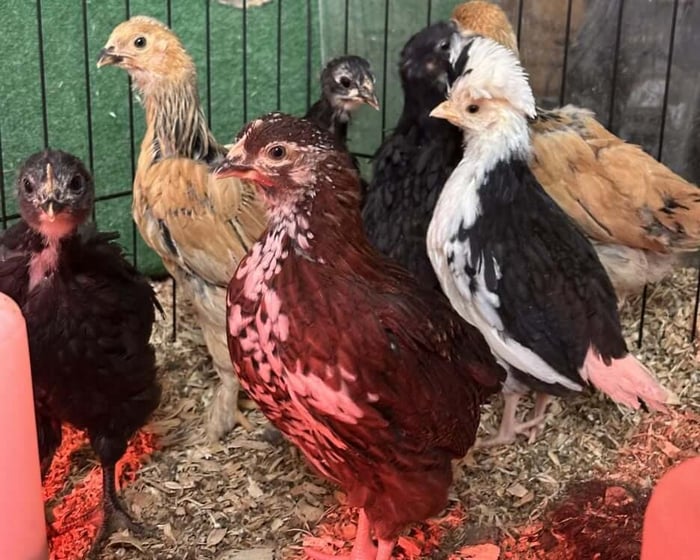
Before moving chicks to the coop, age is a starting point — not a finish line. Most chicks are ready between 4 and 6 weeks old, but watch for these three things before you make the move:
Full feathering. Chicks need their adult feathers — not just fuzz — before they can regulate their own body temperature. If you can still see patches of down, they're not ready.
Nighttime temps above 50°F. This is the threshold most experienced keepers use. Below that, fully feathered chicks can still get dangerously cold, especially in a coop that hasn't had time to warm up from body heat.
Confident, independent behavior. Chicks that explore freely, perch on their own, and no longer huddle under the heat lamp are telling you they're ready. Trust that signal.
If your outdoor temps are still dipping low at night, don't rush it. A few extra days in the brooder is far less stressful than a cold snap with newly moved chicks.
How to Set Up the Coop Before They Arrive
Don't just open the brooder and point them toward the door. A little prep goes a long way.
Space. Plan for at least 2–4 square feet per bird inside the coop, and 10 square feet per bird in the run. Crowding is the single biggest driver of stress, pecking, and disease.
Ventilation. Good airflow matters — but drafts don't. Make sure vents sit above the roosting area so chickens aren't sleeping in a wind tunnel.
Roosting bars. Chicks will instinctively want to perch. Have bars set at varying heights so they can find their spots without competing for a single rung.
Nesting boxes. One box per 3–4 hens is the standard. Your chicks won't use them for a few more weeks, but having them in place means no disruption later.
Predator security. Before your chicks spend their first night outside, do a full walk-around. Check latches, check hardware cloth, check for gaps at ground level. Predators are patient — your coop needs to be more patient.
Moving Chicks to the Coop: Take It Day by Day
Don't do a cold transfer. The easiest approach to moving chicks to the coop is to start during the day.
Let them explore with the door open while you're nearby to watch. They'll peck around, investigate the feeders, find the roosts. Do this for a few afternoons before you ask them to spend the night. By the time the first overnight comes, the space already feels familiar.
If you're still wrapping up the brooder phase, make sure you have everything you need from our baby chick supplies before making the move.
Getting Chicks to Go Inside at Night
To get them inside at dusk: treats work. Toss a little scratch near the coop door at the same time each evening. Within a few days, most flocks just go in on their own.
An automatic coop door takes the guesswork out of it entirely — set it to close at dusk, and you don't have to be home at exactly the right moment every night. It's one of those accessories that pays for itself in peace of mind.
A predictable nighttime routine also strengthens the pecking order over time and makes managing your flock easier as they grow.
How to Introduce Chicks to an Existing Flock
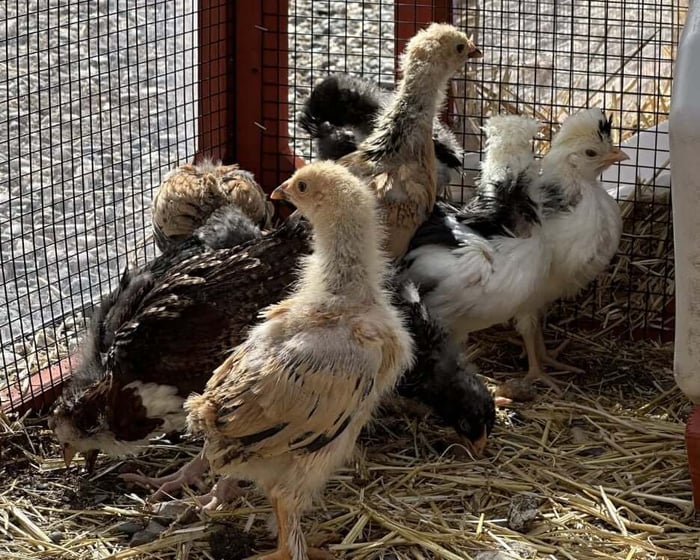
If you already have adult chickens, this is where most people run into trouble. Adult hens have an established pecking order, and new chicks are a disruption to it. Some aggression is completely normal — your job is to minimize it, not eliminate it entirely.
Step 1: See but don't touch (days 1–7)
Set up a wire divider inside the coop or run so chicks and older hens can see each other without making contact. They'll do a lot of posturing through the wire. That's fine — let them sort out the social dynamics before anyone gets hurt.
Tip: If your setup includes a covered run or free-range space, use it to your advantage. Let your existing flock roam outside while the new chicks get comfortable inside the run. They can see and hear each other through the wire without anyone getting hurt — it's the lowest-stress introduction you can give them.
Step 2: Short supervised interactions (days 7–14)
Open the divider for short windows while you're watching. Do this in a larger space — the run works better than the coop interior, so younger birds have room to move away if they need to. Keep sessions short and end them before things escalate. Make sure the chicks have a space to get away from the chickens.
Step 3: Full integration
Once chicks can hold their own in supervised sessions without being cornered or targeted, you can let them coexist fully. Set up multiple feeding and watering stations so younger birds aren't blocked from eating.
One trick worth knowing: introducing chicks to the coop at night — when older hens are already roosting and calm — can smooth the whole process. In the morning, everyone wakes up together like they've always lived there. It doesn't always work perfectly, but it works more often than not.
If you're seeing persistent, targeted bullying — one hen going after a single chick relentlessly — separate the aggressor temporarily. Removing the bully for a few days is often enough to reset the dynamic when she's reintroduced.
What Does Successful Integration Look Like?
Integration takes anywhere from one to three weeks depending on your flock. You'll know it's working when:
- Everyone is eating and drinking without blocking or chasing
- Roosting happens without serious fighting over spots
- Pecking is occasional and situational, not targeted at one bird
Some drama along the way is normal — that's just chickens being chickens. A flock that's eating well, roosting peacefully, and ranging together during the day is a settled flock.
Don't have a home for your chicks yet?
The transition from brooder to coop goes a lot smoother when the coop is built for it — proper ventilation, secure hardware, and enough space for your whole flock from day one.
FAQs
When is the right time to move chicks to the coop?Chicks are typically ready between 4 and 6 weeks old, once they're fully feathered and can regulate their own body temperature. Nighttime temps should consistently stay above 50°F, and you should see confident, independent behavior — active exploration, perching on their own, no longer huddling under the heat source.
How can I help my chicks adjust to the coop safely?Start with daytime visits before the first overnight. Make sure the coop is predator-proof, well-ventilated, and provides enough space — at least 2–4 sq. ft. per bird inside and 10 sq. ft. per bird in the run. Bring familiar feeders and waterers from the brooder to ease the transition.
How do I teach my chicks to go into the coop at night?Use treats near the coop entrance at the same time each evening to build the habit. An automatic door reinforces the routine without requiring you to be there at exactly the right moment. Roosting bars give chicks a reason to go inside and stay.
What's the best way to introduce new chicks to an existing flock?Use the "see but don't touch" method first — a wire divider inside the coop or run lets everyone get used to each other before direct contact. After about a week, allow short supervised interactions in an open space. Gradually increase time together until full integration is stable.
What are signs of successful flock integration?Everyone eating, drinking, and roosting without significant conflict. Some minor pecking is normal as the pecking order gets sorted out. Persistent targeting of one bird is the sign to intervene.
FAQs
When is the right time to move chicks to the coop?
Chicks are typically ready to transition to the coop at around 4-6 weeks old, once they are fully feathered and can regulate their body temperature. Ensure outdoor nighttime temperatures consistently stay above 50°F, and look for signs like active exploration and perching behavior.
How can I help my chicks adjust to the coop safely?
Start by moving chicks to the coop during mild daytime hours before making a full transition. Make sure the coop is predator-proof, well-ventilated, and provides enough space (2-4 sq. ft. per chicken inside and 10 sq. ft. per bird in the run). Provide familiar feeders and waterers to ease the transition.
How do I teach my chicks to go into the coop at night?
Use treats to encourage chicks to enter the coop before dusk and install an automatic door for consistency. Providing roosting bars encourages natural perching behavior, helping chicks develop a routine of returning to the coop at night.
What’s the best way to introduce new chicks to an existing flock?
Use the “see but don’t touch” method by placing chicks in a separate, enclosed space within the run where existing hens can see them without direct contact. After a few days, allow short, supervised interactions in a neutral space, gradually increasing their time together until they can safely coexist.
What are signs of a successful flock integration?
When both new chicks and existing hens can share space without significant pecking or aggression, and all chickens are eating, drinking, and roosting peacefully, the integration is successful. Minor pecking is normal as the pecking order is established, but persistent bullying requires intervention.