Table of Contents
- 1. Secure Your Coop and Run
- 2. Set Up and Test Your Automatic Chicken Door
- 3. Make Fresh Water Your Top Priority
- 4. Fill Feeders and Plan for Extra Feed
- 5. When to Arrange a Chicken Sitter
- What About Egg Collection?
- Consider Adding an Outdoor Camera
- Common Mistakes to Avoid
- Enjoy Your Vacation with Confidence
- FAQs
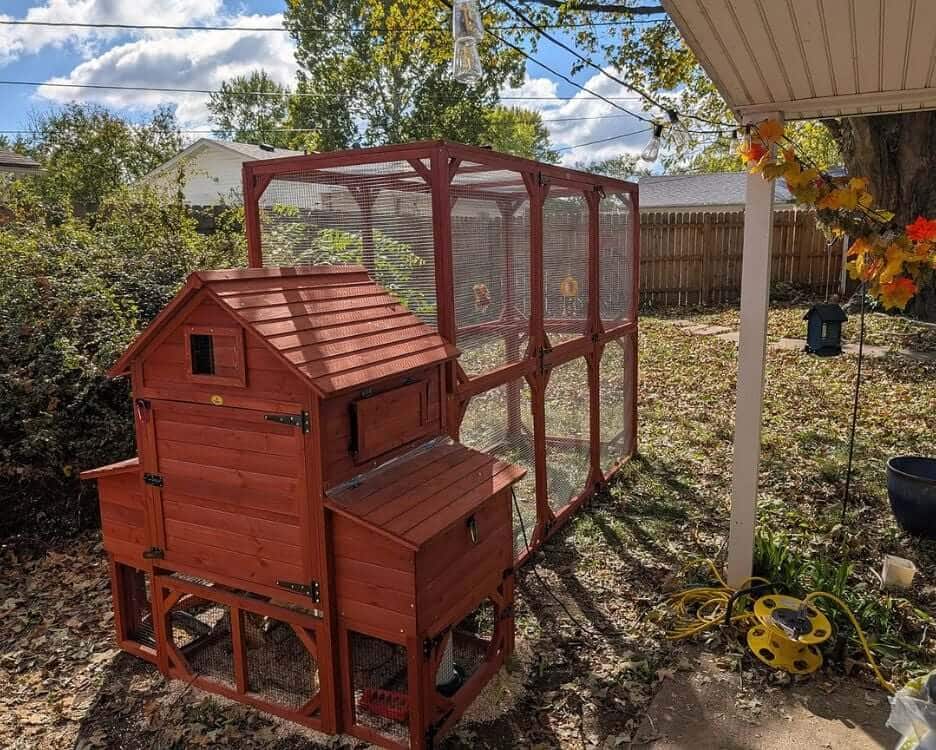
One of the biggest concerns many backyard chicken owners have is leaving their flock behind when it's time to travel. Whether you're heading out for a long weekend, visiting family, or taking a week-long vacation, it's natural to wonder how your chickens will manage while you're away.
The good news is that chickens are relatively low-maintenance compared to many other pets. They don't require daily walks, constant supervision, or complicated care routines. However, successful leaving chickens while on vacation does require some planning. Making sure your flock has access to food, fresh water, shelter, and protection from predators can help prevent problems while you're gone.
Fortunately, preparing your flock for your absence doesn't have to be complicated. By focusing on five key areas before you leave, you can enjoy your trip with confidence knowing your chickens are safe, healthy, and comfortable.
1. Secure Your Coop and Run
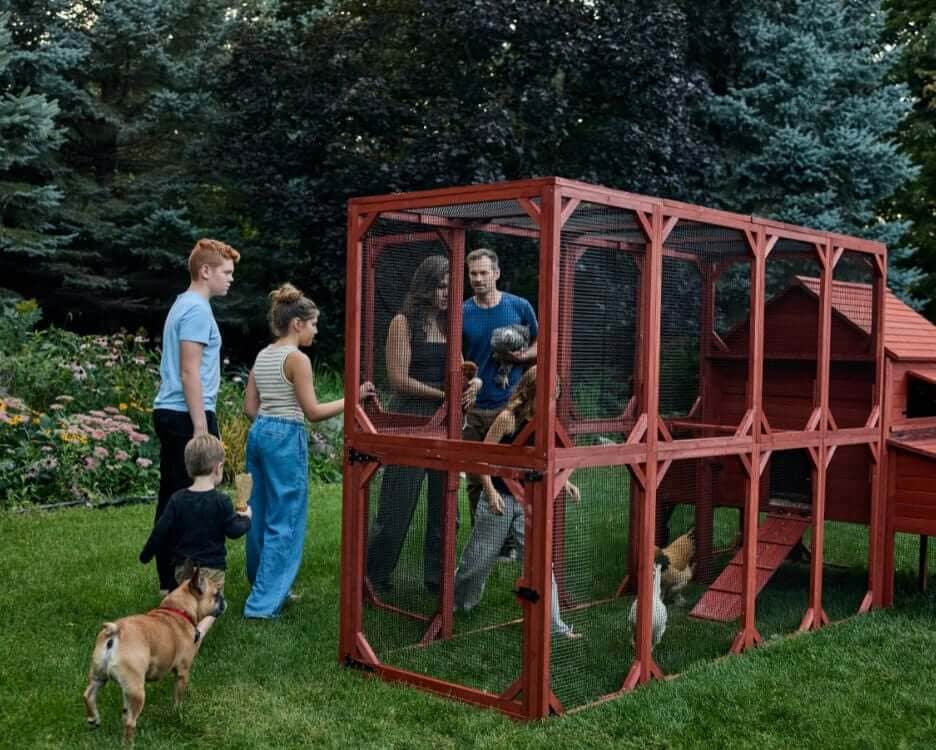
The first step in leaving chickens while on vacation is making sure your coop and run are secure.
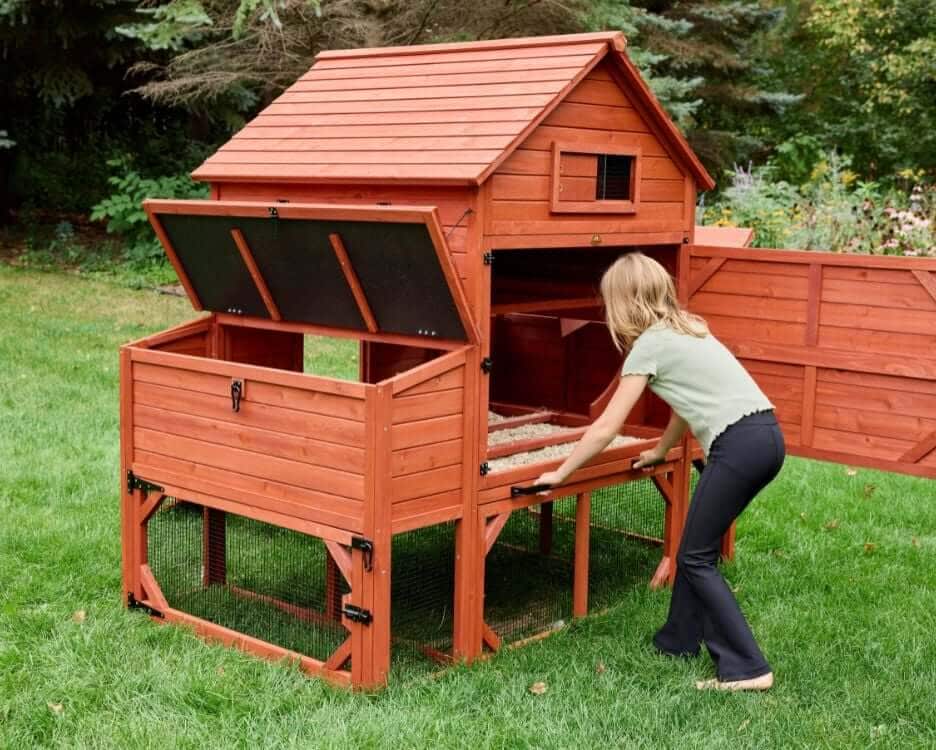
A predator-proof coop becomes even more important when you're not home to respond if something goes wrong. Before your trip, take a few minutes to inspect your setup from top to bottom.
Check all doors, latches, hinges, and locks to ensure they are working properly. Look for loose hardware, damaged fencing, or gaps around the coop and run that predators could exploit. Small openings that don't seem like a big deal during your daily routine can quickly become a problem when nobody is around to notice.
Common predators vary by location but may include raccoons, foxes, coyotes, hawks, neighborhood dogs, weasels, and even rats. Many predators are surprisingly persistent and can take advantage of weak points in a coop.
Pay special attention to:
- Coop doors and nesting box access panels
- Run connections and corners
- Hardware cloth or wire mesh
- Roof panels and vents
- Areas where predators may dig underneath fencing
If you discover any issues, make repairs before your trip rather than hoping they'll hold together while you're away.
A secure coop provides peace of mind and is one of the most important aspects of leaving chickens while on vacation safely.
2. Set Up and Test Your Automatic Chicken Door
An automatic chicken door can make a huge difference when leaving chickens while on vacation.
Automatic doors allow your flock to leave the coop in the morning and return safely at night without requiring someone to manually open and close doors every day. For many chicken owners, they are one of the most valuable tools for managing short trips and vacations.
However, don't assume your automatic door is working properly simply because it worked last month.
A few days before your trip, test the door several times to make sure it opens and closes correctly. Check batteries if your door uses them and verify that the timer or light sensor settings are functioning properly.
Before leaving, confirm:
- Batteries are fully charged or recently replaced
- Door tracks are clean and unobstructed
- Timers are programmed correctly
- Light sensors are functioning as expected
A quick test now can prevent a major headache later.
Even if you'll have a chicken sitter checking on your flock, an automatic door adds another layer of convenience and protection while you're away.
3. Make Fresh Water Your Top Priority
When it comes to leaving chickens while on vacation, water is far more important than feed.
Chickens can tolerate a lot of inconveniences, but they cannot safely go without water. During the summer months, a flock can consume surprising amounts of water, especially during periods of extreme heat.
Before leaving, thoroughly clean all waterers and fill them completely. If possible, provide more than one water source. Multiple waterers create redundancy in case one gets tipped over, clogged, or becomes dirty.
A few simple steps can help:
- Fill waterers completely before departure
- Place water sources in shaded areas
- Add a second or third waterer when possible
- Test automatic watering systems
- Ensure water remains accessible throughout the day
This becomes especially important if temperatures are expected to climb while you're away.
Chickens regulate body temperature through panting and increased water consumption. During a heat wave, water usage can increase dramatically. What seems like plenty of water during mild weather may not be enough during a stretch of hot summer days.
If extreme heat is expected, you may want to reconsider leaving your flock completely unattended and arrange for someone to check on them.
For most chicken owners, proper water planning is the single most important part of leaving chickens while on vacation.
4. Fill Feeders and Plan for Extra Feed
After water, feed is the next priority.
Most adult chickens consume roughly a quarter pound of feed per day. While exact amounts vary based on breed, season, and flock size, it's important to make sure your feeders can hold enough feed for the duration of your trip.
Before leaving:
- Clean feeders
- Remove old or wet feed
- Fill feeders completely
- Check for signs of rodent activity
- Make sure feed is protected from rain and moisture
Many chicken owners use larger-capacity feeders specifically because they simplify leaving chickens while on vacation.
It can also be helpful to estimate how much feed your flock normally consumes each week. This gives you a better idea of whether your feeders can handle a three-day trip, a week-long vacation, or something longer.
Avoid the temptation to simply throw extra scratch grains or treats into the run and assume your chickens will be fine. While treats can be offered in moderation, they should not replace a balanced layer feed.
A full feeder and a reliable feeding setup help ensure your flock remains healthy while you're away.
5. When to Arrange a Chicken Sitter
One of the biggest misconceptions about leaving chickens while on vacation is that you always need a chicken sitter.
For many backyard flock owners, a short weekend trip can be managed with a secure coop, a reliable automatic door, full feeders, and plenty of fresh water. Chickens are generally low-maintenance, making short getaways easier than many people expect.
However, there are situations where having someone check on your flock is highly recommended.
Consider arranging a chicken sitter if:
- You'll be gone for more than three days
- A heat wave is expected
- Severe weather is in the forecast
- You have young chicks
- You have sick or injured birds
- You're relying on automatic feeders, waterers, or doors
Hot weather is one of the biggest reasons to have someone stop by. During periods of extreme heat, chickens consume significantly more water and are more susceptible to heat stress. A quick daily check can help ensure waterers are functioning properly and your flock remains comfortable.
The good news is that a chicken sitter doesn't need to be a poultry expert. Most people can successfully care for a flock with a quick walkthrough before your trip.
Before leaving, show them:
- Where feed is stored
- How waterers work
- How to access the coop
- What normal chicken behavior looks like
- How to contact you if questions arise
Their responsibilities are usually simple:
- Check feed levels
- Check water levels
- Ensure the coop remains secure
- Observe the flock for obvious signs of illness or injury
- Collect eggs if needed
Even a short daily visit can provide tremendous peace of mind and help prevent small issues from becoming major problems while you're away. If you're planning an extended trip or traveling during extreme weather, a reliable chicken sitter can be one of the best ways to ensure your flock stays safe and healthy.
What About Egg Collection?
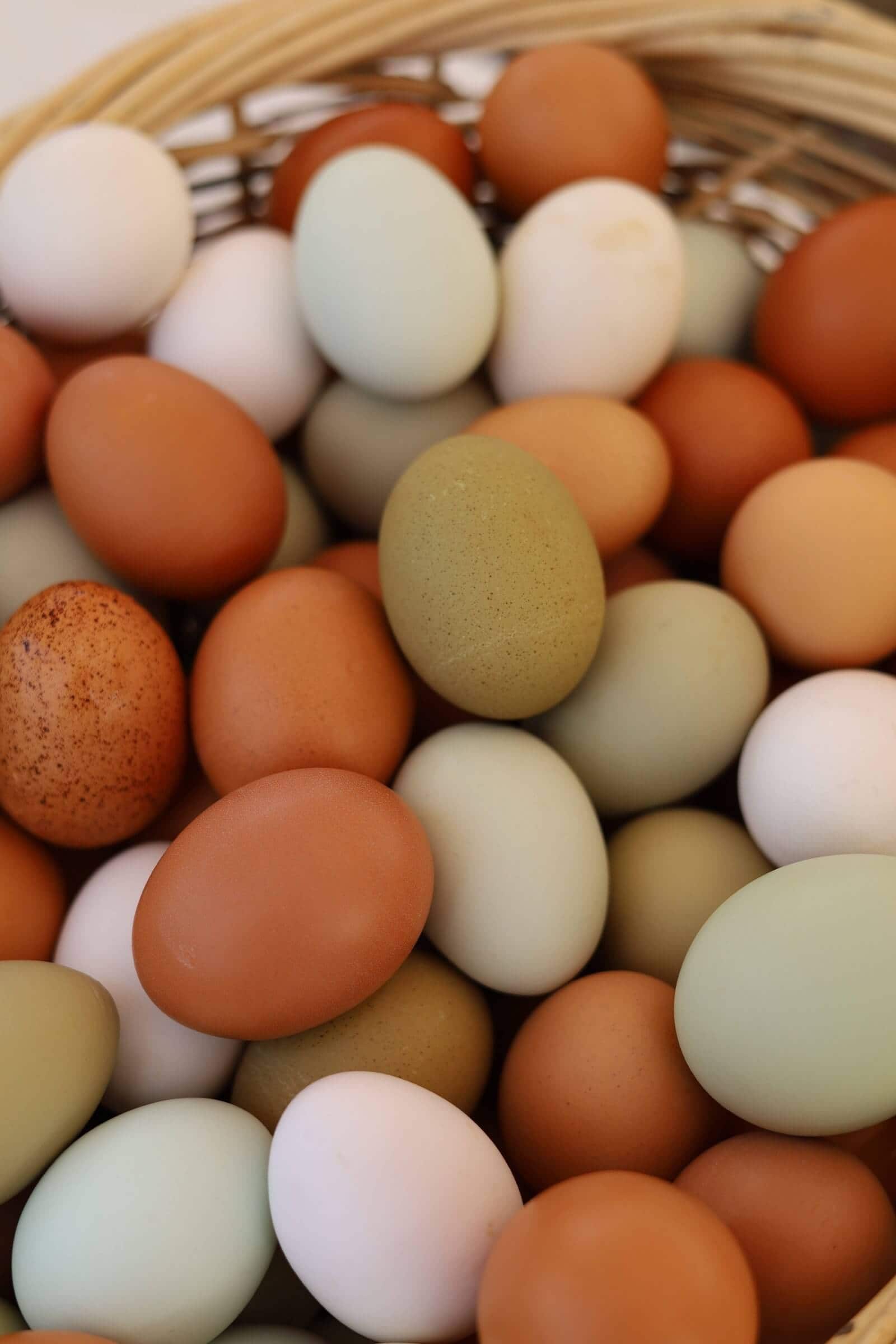
Many new chicken owners worry about eggs piling up while they're away. Fortunately, eggs can typically remain in nesting boxes for several days without causing problems unless there is extreme heat or freezing temperature.
For a short weekend trip, daily egg collection usually isn't necessary. Most backyard flocks can go a few days without eggs being gathered.
However, if you'll be gone for more than a few days, it's a good idea to have your chicken sitter collect eggs periodically.
Regular egg collection helps:
- Keep nesting boxes cleaner
- Reduce the likelihood of cracked eggs
- Discourage egg-eating behavior
- Prevent overcrowding in favorite nesting boxes
For most flock owners, egg collection is one of the easier aspects of leaving chickens while on vacation.
Consider Adding an Outdoor Camera
Technology has made leaving chickens while on vacation easier than ever. While a camera should never replace proper flock care or a reliable chicken sitter, it can provide valuable peace of mind while you're away.
Many chicken owners choose to install a camera inside the coop or run so they can check on their flock from their phone. A quick glance can help you confirm that your chickens are active, waterers haven't been knocked over, and everything appears normal.
A coop camera can be especially helpful if:
- You're taking a longer trip
- You're traveling during hot weather
- You simply want extra peace of mind
Many modern security cameras offer features like motion detection, live viewing, night vision, and smartphone notifications.
While cameras won't solve problems on their own, they can help you spot issues early and determine whether you need to contact your chicken sitter or ask someone to check on the flock. Combined with a secure coop, reliable food and water systems, and regular check-ins when needed, a camera can be another useful tool for successfully leaving chickens while on vacation.
Common Mistakes to Avoid
Most problems that arise when leaving chickens while on vacation can be traced back to a lack of preparation rather than the trip itself. Fortunately, a little planning goes a long way.
One of the most common mistakes is waiting until the morning of your trip to prepare your coop. Rushing through last-minute tasks can make it easy to overlook things like loose latches, low feed levels, or malfunctioning equipment. Instead, inspect your setup several days before you leave so you have time to address any issues.
Another mistake is underestimating how much water your flock will need, especially during the summer. If you're unsure whether your chickens have enough water available, it's always better to provide an extra waterer. Water is one of the most important factors in keeping your flock healthy while you're away.
It's also important not to assume that automatic equipment is foolproof. Automatic doors, feeders, and watering systems can make vacation planning much easier, but they should still be tested before your trip. A quick check can help you catch potential problems before they affect your flock.
Finally, don't forget to check the weather forecast. A mild week requires far less preparation than a stretch of extreme heat or severe storms. If challenging weather is expected, consider having someone check on your chickens even if you normally wouldn't need a sitter.
By taking care of these details ahead of time, you'll greatly reduce the chances of running into problems while you're away.
Enjoy Your Vacation with Confidence
Leaving chickens while on vacation doesn't have to be stressful. With a secure coop, a reliable automatic door, plenty of feed and water, and a plan for longer trips or extreme weather, most flocks can do just fine while you're away.
Before heading out, take a few minutes to walk through your setup and address any potential issues. If you'll be gone for more than a few days or temperatures are expected to soar, consider asking a friend, neighbor, or chicken sitter to check on your flock.
With a little preparation, you can spend less time worrying about your chickens and more time enjoying your vacation—knowing your flock will be safe, comfortable, and waiting for you when you get home.
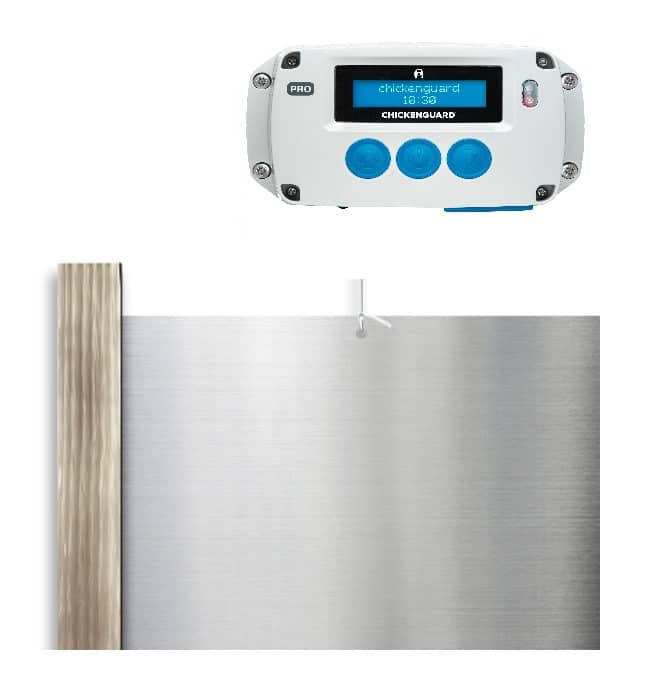
Automatic Chicken Coop Door Opener - PRO DOOR KIT
$ 224.99
PRO CHICKENGUARD (Automatic Chicken Coop Door Opener with Timer) AND OAK RUNNER & DOOR KIT COMBO Newly Redesigned Version – June 2023 Release NOTE: Perfect fit on the Rhode Island and Brahma Coop options Not compatible with The Leghorn Cottage Chicken… read more
FAQs
Can chickens be left alone for a weekend?
Chickens can often be left for short periods if they have access to food, water, and a secure coop, but it's still best to have someone check on them daily.
How often should a chicken sitter visit?
Once per day is usually sufficient for most backyard flocks. Daily visits allow someone to monitor food, water, eggs, and flock health.
How do automatic coop doors help while traveling?
Automatic doors maintain a consistent schedule for your chickens and reduce the number of daily tasks required from a chicken sitter.
What is the most important part of vacation chicken care?
Fresh water is the highest priority, especially during warm weather when chickens consume more water throughout the day.
What should I leave for my chicken sitter?
Provide clear instructions for feeding, watering, egg collection, coop security, and emergency contacts so your sitter knows exactly what to do during each visit.