
Table of Contents
- How Many Chickens Should I Get? A Backyard Flock Size Guide for Beginners
- Starting a Backyard Flock This Spring?
- Why Flock Size Matters
- Key Things to Consider Before Deciding
- 1. What Do You Want From Your Chickens?
- 2. How Much Space You Have
- 3. How Many Chickens Fit in a Coop?
- 4. Know Your Local Rules
- 5. Time and Budget
- 6. Flock Dynamics and the Pecking Order
- How Many Chickens Should You Start With?
- How Many Chickens Do I Need for a Family?
- Choosing the Right Breeds
- Tips for Starting Strong
- Common Mistakes to Avoid
- Why Choosing the Right Number Matters
- Final Thoughts
- FAQs
Quick answer
For a first-time chicken keeper, 3–6 hens is the ideal starting flock — small enough to manage confidently, large enough that you'll have a steady supply of eggs (3–5 per week from 4 hens) and enough social dynamics to observe natural flock behavior. Check your local ordinances first as many suburban areas cap backyard flocks at 4–6 hens, and remember that chickens are social animals and should never be kept alone.
How Many Chickens Should I Get? A Backyard Flock Size Guide for Beginners
Backyard chickens are more popular than ever, and it is no wonder. Fresh eggs, entertaining personalities, and a touch of homestead charm make raising chickens a rewarding experience for both suburban and rural families. If you are new to chicken keeping, you are probably asking the same question most beginners start with: how many chickens should I start with for my backyard flock? I remember standing in my small yard years ago, dreaming of daily omelets and trying to work out the right number. There is no single answer for everyone, but this guide breaks down the factors that help you choose the flock size that fits your goals, space, and lifestyle.
Starting a Backyard Flock This Spring?
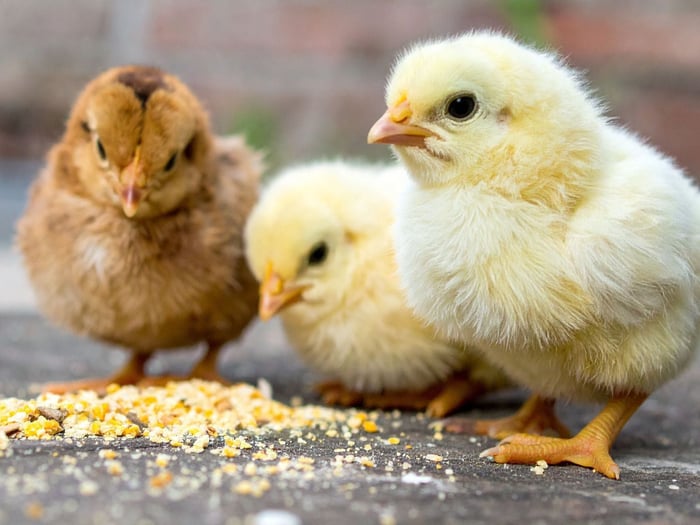
Spring is when most people seriously start asking how many chickens should I get. Longer days, chick availability, and the excitement of fresh eggs make it the most popular time to begin a backyard flock. If you are starting in late winter or early spring, planning your flock size early gives you time to prepare your coop, secure your run, and choose the right breeds before chicks arrive.
Keep in mind that chicks take about 16 to 24 weeks before they begin laying eggs. That means the number of hens you start with now determines your egg supply later in the summer and fall. Many beginners underestimate how quickly a small starter flock can feel too small once egg production ramps up. Thinking ahead now helps you avoid upgrading your coop sooner than expected.
Why Flock Size Matters
Choosing the right backyard flock size is more than picking a random number. If your flock is too large for your space, you may deal with stress, pecking issues, or a coop that is too cramped. If your flock is too small, you may not get the egg production you want. When you select the right number, you set yourself up with a thriving flock, cleaner eggs, and fewer surprises as you learn the routine of chicken keeping.
Key Things to Consider Before Deciding
These core considerations can help you confidently answer how many chickens should I get based on your goals and available resources.
1. What Do You Want From Your Chickens?
Your purpose influences flock size more than anything else. When I started, I wanted enough eggs for a family of three without drowning in extras.
Here is how your purpose shapes how many chickens should I get:
Egg production: Most laying hens provide about 4 to 5 eggs weekly. If your household uses a dozen eggs each week, 3 to 4 hens typically meet that need. If you bake frequently or want steady extras to share, you may prefer 5 to 6.
Pets or pest control: If your goal is companionship or natural bug management, you can keep a smaller flock. Still, chickens are social animals, so plan on at least 2 to 3.
Meat birds: This guide focuses on laying hens and backyard pets, but raising chickens for meat requires a different approach.
2. How Much Space You Have
Space plays a major role in answering how many chickens should I get. I learned that the hard way when I added an extra hen to a small coop, and the flock quickly reminded me it was too tight.
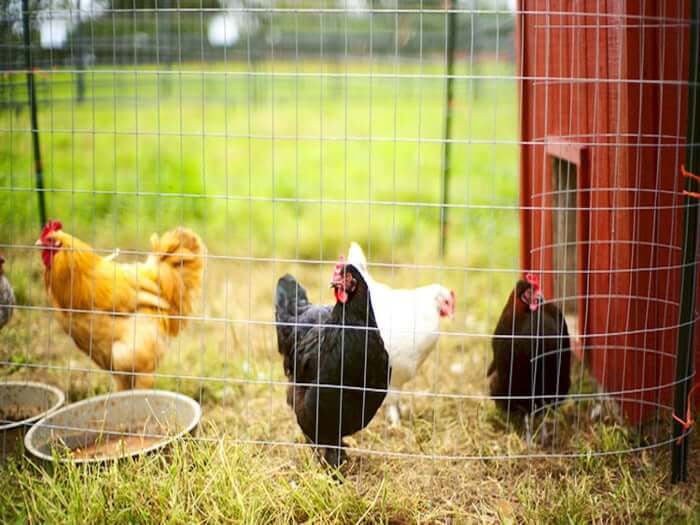
Coop space: Plan for roughly 3 to 4 square feet per chicken inside the coop. A coop that is about 10 square feet can house 3 birds comfortably, maybe 4 if your outdoor area is generous.
Outdoor space: Most chickens thrive when they have 8 to 10 square feet each in a run. Free-ranging provides more flexibility, but if your flock is confined, follow minimum spacing to reduce stress and feather picking.
Free-range yards: If your chickens can roam safely, you may keep a slightly larger flock, but make sure your coop still has the proper indoor space.
3. How Many Chickens Fit in a Coop?
When deciding how many chickens should I start with, coop size often becomes the limiting factor. A good rule of thumb is to plan for at least 3 to 4 square feet per chicken inside the coop and 8 to 10 square feet per bird in an enclosed run.
Here is a simple breakdown:
4 hens need at least 12 to 16 square feet of coop space
6 hens need at least 18 to 24 square feet
8 hens need 24 to 32 square feet
If you are building or buying your coop, it is wise to allow a little extra room. Many first-time owners begin with four hens and add more within a year. Choosing a coop that gives you flexibility can save you time and money in the long run.
4. Know Your Local Rules
Before you settle on a number, check your city or neighborhood regulations. Many places limit backyard flocks to 4 to 6 hens, and roosters are often not allowed. When I researched my own town, I learned the limit was four, which shaped my flock from the start. Checking your rules early helps you answer how many chickens should I get without running into trouble later.
5. Time and Budget
Chickens are fairly low-maintenance, but they still come with daily tasks and ongoing costs.
Time: Feeding, watering, observing behavior, and cleaning the coop take time. I spend about 15 minutes each day caring for my four hens, which feels manageable with a busy schedule. First-time keepers may want to begin with 2 to 4 birds.
Budget: Feed, bedding, coop supplies, and potential vet visits all add up. Each hen eats around a quarter pound of feed daily. If you are testing the waters or watching costs, a smaller starter flock is usually best.
6. Flock Dynamics and the Pecking Order
Chickens have a social hierarchy, and a flock of at least three birds tends to balance that system more smoothly. Too few birds can lead to one being singled out, while too many in a confined space can cause major squabbles. In my experience, 3 or 4 hens allow natural flock dynamics without overwhelming a new keeper.
How Many Chickens Should You Start With?
Here is a general guide to help answer how many chickens should I get based on typical flock sizes:
2 to 4 chickens: Ideal for beginners and small yards. Three hens usually supply around 9 to 12 eggs weekly, which suits most families. It is an easy, low-cost introduction to raising chickens.
5 to 8 chickens: A good fit for people with more space or higher egg demands. Expect 15 to 20 eggs weekly with 5 to 6 hens.
9 or more chickens: Best for those with generous space, prior experience, or larger homestead goals. Keep in mind that many cities do not permit flocks this large.
How Many Chickens Do I Need for a Family?
Another common question behind how many chickens should I get is how many eggs your household actually eats. Most hens lay about 4 to 5 eggs per week during peak production.
Here is a simple estimate:
3 hens can produce around 9 to 12 eggs per week
4 hens can produce 16 to 20 eggs per week
6 hens can produce 24 or more eggs per week
If your family eats eggs daily, bakes regularly, or shares extras with neighbors, starting with 4 to 6 hens is often ideal. If you only eat eggs occasionally, 3 hens may be plenty. Matching flock size to egg demand helps prevent both shortages and unwanted surplus.
Choosing the Right Breeds
Breed selection affects both temperament and production and connects directly to how many chickens should I get.
For beginners, these breeds often top the list:
Rhode Island Reds: Hardy, consistent layers producing 5 to 6 eggs weekly.
Australorps: Calm, reliable birds that lay 4 to 5 eggs weekly.
Orpingtons: Gentle, fluffy, and steady layers of 3 to 4 eggs weekly.
Leghorns: Outstanding layers at 5 to 6 eggs weekly, though sometimes less social.
If you want more eggs, you may choose fewer high-productivity breeds. If personality or gentle temperaments matter most, round out your flock with friendly or heritage varieties.
Tips for Starting Strong
Once you determine how many chickens you should get, these tips help you begin on the right foot:
- Start small and expand later. Many keepers add to their flock after the first year once they learn what works for their space and routine.
- Select a coop that fits your long-term plans. Upgrading later can be more work than starting with enough room from the beginning.
- Introduce new chickens gradually. Keeping new additions separate at first reduces bullying.
- Protect the coop from predators. Raccoons, foxes, and even neighborhood dogs can threaten a flock.
- Pay attention to your hens. Healthy, stress-free birds lay better and live longer.
Common Mistakes to Avoid
Here are some missteps many beginners run into when deciding how many chickens should I get:
Overcrowding: Leads to stress, lower egg production, and pecking issues.
Skipping local research: Not knowing your town’s limits can cause major problems.
Underestimating the budget: Feed, bedding, and supplies are ongoing costs.
Buying only one chicken: Chickens need companions. Start with at least 2 to 3.

Why Choosing the Right Number Matters
When your flock size matches your needs, everything becomes easier. You get reliable egg production, a cleaner and calmer coop, and a flock that fits your daily routine. My four hens keep our family stocked with eggs, and watching them explore the yard remains one of my favorite parts of the day.
Final Thoughts
So how many chickens should I get? It ultimately depends on your goals, available space, local laws, and the time you have to dedicate to their care. For most beginners, 3 to 4 hens strike the perfect balance. Start small, learn as you go, and let your flock grow naturally once you feel confident. With a little preparation, you will be collecting eggs and enjoying the rhythm of backyard chicken keeping in no time.
FAQs
How many chickens should I get for a small backyard?
For a small backyard, 2-4 chickens is ideal. Each chicken needs about 3-4 square feet in the coop and 8-10 square feet in an outdoor run. This size is manageable and provides enough eggs for a small household, about 6-12 eggs per week.
How many chickens should I get for egg production?
If you’re aiming for eggs, 3-4 chickens are enough for a family of four, producing around 9-12 eggs weekly. For more eggs, consider 5-6 hens, which can yield 15-24 eggs per week, depending on the breed.
Can I keep just one chicken?
It’s not recommended to keep just one chicken, as they are social animals and can get lonely. A minimum of 2-3 chickens is best to ensure a happy, healthy flock with a stable pecking order.
How many chickens should I get as a beginner?
Beginners should start with 2-4 chickens. This small flock is easier to manage, requires less space (about 12 square feet of coop space), and keeps costs low while you learn the ropes.