.png)
Table of Contents
- Why Chicks Need Grit
- When to Start Offering Grit for Chicks
- How to Offer Get Chicks to Eat Grit
- When Grit Should Be Optional
- When Chicks Can Start Eating Treats
- Good First Treats for Chicks
- What Happens If Chicks Eat Treats Without Grit
- Free Range Chicks vs Brooder Chicks
- Using Treats to Build Trust With Your Chicks
- Final Thoughts
- FAQs
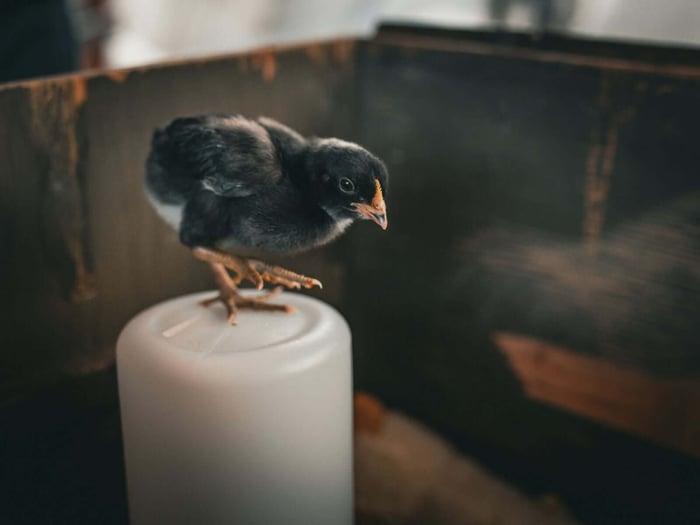
If you have recently brought home baby chicks, you are probably already thinking about treats. Watching chicks run around with a little piece of lettuce or a few mealworms can be one of the most fun parts of raising a flock. Treats are also a great way to help your chicks become comfortable around you. Hand feeding small snacks helps chicks associate you with food and safety, which can make them friendlier as they grow. But before offering any treats, there is one important step that new chicken owners often overlook: providing grit for chicks.
Chicks cannot properly digest most foods without grit. Even something soft like greens or scrambled eggs can be difficult for them to break down without it. Understanding when and how to offer grit to your chicks can help keep your birds healthy and allows you to safely introduce treats when the time is right.
This guide explains why grit matters, when to start offering it, how to provide it properly, and how long you should wait before introducing treats.
Why Chicks Need Grit
Unlike humans and many other animals, chickens do not have teeth. Instead, they rely on a special organ called the gizzard to grind their food. The gizzard works like a muscular stomach that crushes food into smaller pieces so it can be digested.
However, the gizzard cannot do this job alone. It needs small, hard particles to help grind food down. That is where grit comes in.
Grit for chicks consists of tiny pieces of stone or mineral that sit in the gizzard and act like grinding tools. When chicks eat food, the gizzard contracts and the grit helps break the food into digestible pieces.
If chicks are eating only chick starter feed, they technically do not need grit right away. Starter feed is formulated to be very fine and easy to digest. But the moment you begin offering anything beyond starter feed, grit becomes essential.
Without grit, food may not break down properly in the digestive system. This can lead to digestive discomfort or food sitting too long in the crop. Providing it ensures their digestive system can safely process the foods you give them.
If your chicks are being raised in a brooder or indoors, they usually will not have access to natural small stones. In that case, providing a commercial grit for chicks is the easiest and safest option. A small dish of chick-sized grit in the brooder allows them to take what they need to help their gizzard properly grind food.
Chicken Grit

$ 19.99
Required as Chicken Do Not Have Teeth: With grit, chickens can "chew" & breakdown feed so their body can absorb the nutrients they need to be healthy & produce larger eggs more consistently Two Sizes to Choose From: Starter Grit for… read more
When to Start Offering Grit for Chicks
A common question among new chicken owners is when to start offering grit. The simple answer is this: chicks should have access to grit as soon as you begin giving them treats or any food other than their chick starter feed. Many chicken keepers wait until chicks are around two to three weeks old before introducing small treats. This is a good time to also introduce it.
At this stage, chicks are usually active, curious, and beginning to explore their environment more. Offering treats occasionally can be a fun way to encourage natural foraging behavior, but grit needs to come first. The key idea to remember is that grit for chicks is not a treat itself. It is a digestive aid that makes treats safe for your birds.
How to Offer Get Chicks to Eat Grit
There are two simple ways to provide grit for your chicks:
Mix a Small Amount into Their Feed
One option is to sprinkle a small amount of grit directly into their feed. This ensures chicks consume some grit naturally while they eat.
If you choose this method, use a very small amount. Chicks only need a little grit at a time. Overloading their feed is unnecessary.
Mixing grit into feed works well when chicks are young and you want to make sure they are getting some before offering treats.
Offer Grit in a Separate Dish
Another common method is to place grit for chicks in a small dish or feeder inside the brooder.
Chickens are surprisingly good at regulating their own intake of grit. When it is available separately, chicks will usually consume what they need and ignore it when they do not.
This method also mimics how chickens would naturally encounter small stones while foraging outdoors.
Many chicken keepers eventually transition to this option as their chicks grow.
When Grit Should Be Optional
If your chicks are only eating chick starter feed, grit does not need to be mixed into their food. Starter feed is designed to be nutritionally complete and easy for chicks to digest. In this situation, offering grit for chicks as a separate option is usually sufficient.
However, if you begin regularly feeding treats or fresh foods, it becomes more important to ensure grit is always available. Once chicks start spending time outdoors, they may naturally pick up small stones from the ground that function as grit. Until that happens, providing grit for chicks ensures their digestive system stays balanced.
When Chicks Can Start Eating Treats
Treats can be a great way to bond with your flock, but timing matters.
Most chicken keepers wait until chicks are around two weeks old before offering their first small treats. By that time, chicks are usually strong and eating well.
Before offering treats, make sure grit for chicks is already available.
You do not need to wait days after introducing grit. Once grit is accessible in the brooder, you can begin offering very small amounts of treats.
Keep treats limited and occasional at this stage. Chick starter feed should still make up the vast majority of their diet.
Good First Treats for Chicks
Once grit for chicks is available, you can safely introduce small treats in moderation.
Some good beginner treats include:
Lettuce or leafy greens
Soft greens like lettuce or spinach chopped finely for chicks.
Oats
Plain oats can be offered in very small quantities.
Mealworms
These are a favorite treat, but should be offered sparingly since they are high in protein.
When introducing treats, always provide grit for chicks so their digestive system can handle the additional foods.
What Happens If Chicks Eat Treats Without Grit
Offering treats before providing grit can sometimes cause digestive problems.
Without grit in the gizzard, chicks may struggle to break down certain foods. Larger pieces of food may remain in the digestive system longer than they should.
In some cases, chicks may develop crop discomfort or poor digestion because food is not being properly processed.
While a tiny amount of soft food may not cause immediate harm, consistently feeding treats without grit increases the risk of digestive issues.
Providing grit for chicks first helps prevent these problems and allows their digestive system to function the way nature intended.
Free Range Chicks vs Brooder Chicks
Another factor that affects grit is whether chicks have access to natural ground.
Chicks raised in a brooder indoors usually do not encounter small stones or natural grit sources. In this case, providing grit for chicks is especially important.
If chicks begin spending time outside on soil or grass, they may naturally pick up tiny particles of sand or stone while pecking at the ground. These materials can serve the same purpose as commercial grit.
However, young chicks still benefit from having grit available even if they spend some time outside. Their environment may not always provide enough natural material for proper digestion.
Keeping grit for chicks available ensures they always have what they need.
Using Treats to Build Trust With Your Chicks
Once grit for chicks is available and treats are introduced safely, feeding small snacks can become a helpful part of bonding with your flock.
Chicks quickly learn to associate people with food. Offering a small treat while sitting quietly near the brooder encourages chicks to approach you and become comfortable with your presence.
Over time, this interaction can make your chickens calmer and easier to handle as adults.
Just remember that treats should remain a small part of their diet. Chick starter feed should always be the main source of nutrition.
With grit for chicks in place, you can safely enjoy these early interactions and watch your chicks grow into confident members of your flock.
Final Thoughts
Raising baby chicks is full of small milestones. Watching them grow, explore, and eventually begin foraging is one of the most rewarding parts of backyard chicken keeping.
Before introducing treats, taking the time to provide grit for chicks helps ensure their digestive system can handle new foods safely.
A simple dish of grit inside the brooder or a small amount mixed into feed is usually all it takes. Once grit is available, you can begin introducing treats in moderation and use those moments to build trust with your flock.
By understanding how grit works and when to offer it, you are giving your chicks the best possible start as they grow into healthy, productive chickens.
FAQs
Do chicks really need grit?
When should I give grit to my chicks?
Can chicks eat treats without grit?
Chicks may struggle to digest treats without grit because their gizzard cannot properly grind food. Always provide grit before introducing treats.
How much grit do chicks need?
Chicks only need small amounts of grit. A small dish in the brooder or a light sprinkle in their feed is usually enough.
Is grit the same as oyster shell?
No. Grit helps chickens digest food, while oyster shell provides calcium for egg production. Oyster shell is meant for laying hens, not chicks.