
Table of Contents
- Free Ranging Chickens in Spring: How to Let Your Flock Roam Safely
- Why Spring Is the Best Season for Free Ranging
- Let Your Garden and Chickens Work Together
- The Best Time of Day to Free Range Chickens
- Spring Is Peak Predator Season
- Cover Is One of the Best Predator Defenses
- When a Covered Run May Be the Better Option
- Building a Safe Free Range Routine
- Free Ranging Is One of the Most Rewarding Parts of Chicken Keeping
- Want to Give Your Flock More Space This Spring?
- FAQs
Quick answer
Free-ranging chickens in spring requires balancing the enormous welfare and nutritional benefits of fresh pasture access against real risks from hawks (most active in spring when hunting for chicks), garden damage, and neighbor relations. The safest approach is supervised free-ranging for 1–2 hours in the late afternoon when you can be present, combined with a fully covered run for times when you can't watch them.
Free Ranging Chickens in Spring: How to Let Your Flock Roam Safely
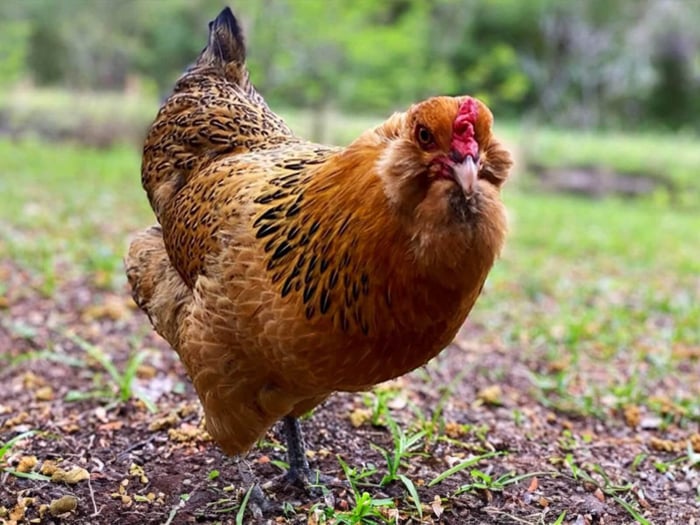
Spring is the season many backyard chicken keepers look forward to all winter. The grass begins to grow again, insects return, and your flock is ready to spend more time outside exploring. For many keepers, free ranging chickens becomes one of the most rewarding parts of raising a flock. Chickens are natural foragers, and spring provides the perfect conditions for them to scratch, hunt for bugs, and explore their environment.
But spring also brings new challenges. Predator activity increases, gardens begin to grow, and hens that have been confined during winter may need time to adjust to roaming again.
Allowing free ranging chickens in spring can provide huge benefits for your flock, but doing it successfully requires some planning. With the right timing, garden management, and predator awareness, you can give your hens the freedom they enjoy while keeping them safe.
Below are practical tips to help you make the most of spring free ranging while protecting both your flock and your garden.
Why Spring Is the Best Season for Free Ranging
After a long winter, chickens naturally want more space to move and forage. Spring is when the environment begins offering the foods chickens instinctively seek out.
Fresh grass, emerging weeds, earthworms, beetles, and other insects provide excellent nutrition that commercial feed alone cannot fully replicate.
Many keepers notice visible changes when free ranging chickens begin spending time outdoors again. Hens often become more active, feather condition improves, and egg yolks frequently develop deeper color within a few weeks.
Foraging also satisfies important behavioral needs. Chickens are built to scratch the ground, search for food, and explore. When they are confined for long periods, boredom and frustration can sometimes lead to feather pecking or aggression.
Allowing free ranging chickens helps relieve this tension by giving the flock opportunities to behave naturally.
Let Your Garden and Chickens Work Together
One of the most common questions about free ranging chickens is how to balance them with a backyard garden.
The reality is simple. Chickens and freshly planted beds do not mix well unless you manage the space carefully. Chickens scratch aggressively and will happily eat seedlings.
The key is zoning your yard.
Zone 1: Ideal for Free Ranging
Lawn areas, orchards, and spaces around mature plants can handle chicken activity well. In these areas, chickens provide excellent pest control and help reduce insects like beetles, ticks, and slugs.
Zone 2: Limited Access
Some garden areas can tolerate chickens briefly, especially once plants are established. Allowing short supervised visits can help control pests without damaging plants.
Zone 3: Protected Garden Beds
Freshly planted or newly seeded beds need protection. Hardware cloth covers, raised bed fencing, or temporary barriers can prevent chickens from digging up young plants.
With this type of system in place, free ranging chickens can actually support a garden rather than destroy it.
The Best Time of Day to Free Range Chickens
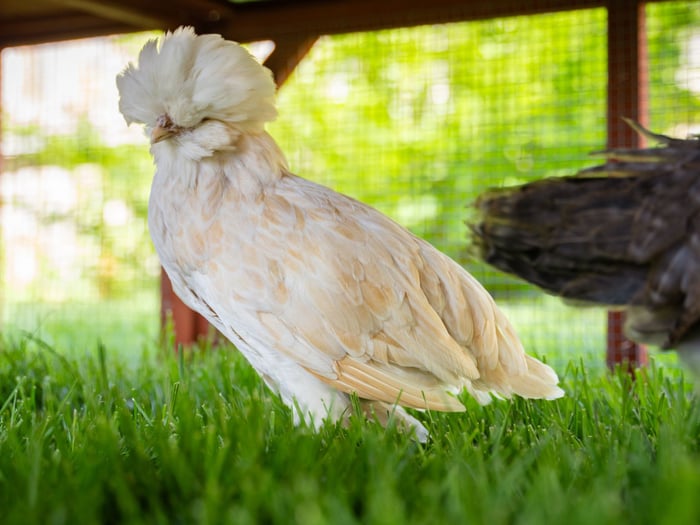
Timing is one of the most important factors for safe free ranging chickens.
Many people assume opening the coop early in the morning is the best option, but this is also when hawks are most actively hunting.
A safer approach is to release your chickens later in the afternoon, about two to three hours before dusk.
This timing provides several advantages:
Lower hawk activity compared to morning hours
Chickens still have time to forage and explore
Birds naturally return to the coop at dusk
If you are introducing free ranging chickens after winter confinement, start with shorter sessions and gradually increase their time outside.
This allows you to observe predator activity in your yard and understand how your flock behaves in open space.
Spring Is Peak Predator Season
One of the biggest risks when allowing free ranging chickens in spring is increased predator activity.
Many predators emerge from winter hungry and begin searching aggressively for food. Foxes, raccoons, and coyotes often have young to feed, which increases hunting pressure.
Spring is also nesting season for hawks. During this time, hawks hunt more frequently to feed growing chicks.
This means a yard that seemed safe in winter may suddenly become more dangerous once spring arrives.
If you want to allow free ranging chickens safely, pay attention to predator patterns in your area. Watch for hawk activity, check for tracks, and be aware of nearby wooded areas or fence lines where predators may travel.
For a deeper look at predator protection strategies, see our guides:
👉 How to Protect Chickens From Predators (Day and Night)https://www.chickencoopcompany.com/a/blog/how-to-protect-chickens-from-predators-day-and-night
👉 How to Keep Hawks Away From Chickens
https://www.chickencoopcompany.com/a/blog/how-to-keep-hawks-away-from-chickens-in-your-backyard
Both include practical steps to reduce risks throughout the year.
Cover Is One of the Best Predator Defenses
One of the most overlooked safety tools for free ranging chickens is simple yard cover.
Chickens rely on quick access to shelter when they sense danger, especially from aerial predators like hawks.
If your yard is completely open, chickens have very few options when a predator appears.
Adding cover dramatically improves survival rates.
Effective cover options include:
Dense shrubs or bushes
Low tree branches
small wooden A frame shelters
garden structures
picnic tables or benches
These structures give chickens a place to dash when they sense a threat.
Even a few simple shelters placed around the yard can make a major difference for free ranging chickens.
When a Covered Run May Be the Better Option
While free ranging chickens has many benefits, not every backyard situation allows for safe open ranging.
If you cannot supervise your flock regularly or live in an area with heavy predator pressure, a large covered run can offer many of the same benefits with far less risk.
A spacious run gives chickens room to move, scratch, and explore while remaining protected.
Many chicken keepers choose a combination approach by allowing occasional supervised ranging while providing a large run for daily activity.
For flocks that spend most of their time in a run, adding natural elements like logs, dust bathing areas, and hanging greens can encourage natural foraging behavior.
👉 Explore walk in chicken run options that give your flock more room to move safely
Building a Safe Free Range Routine
The most successful free ranging chickens setups follow consistent routines.
Chickens thrive on predictable patterns. When you release them at roughly the same time each day, they quickly learn the schedule.
A typical safe routine might look like this:
Morning: chickens remain in coop or run
Late afternoon: coop door opens for supervised ranging
Dusk: chickens return to the coop naturally
With repetition, chickens learn where home is and begin returning to the coop automatically in the evening.
Establishing this routine helps reduce stress for both the flock and the keeper.
Free Ranging Is One of the Most Rewarding Parts of Chicken Keeping
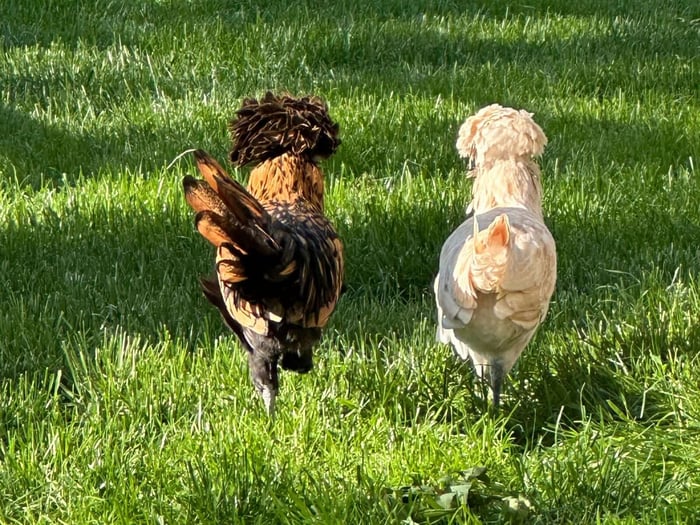
Watching chickens roam freely through a yard is one of the most enjoyable parts of raising a flock.
They scratch through grass, chase insects, dust bathe in warm soil, and interact with their surroundings in ways that simply cannot happen inside a coop.
When managed carefully, free ranging chickens supports both physical health and natural behavior.
The key is balance. Spring offers incredible foraging opportunities, but it also brings increased predator activity and garden challenges.
By paying attention to timing, providing shelter, and protecting garden beds, you can give your flock the freedom they love while keeping them safe.
Want to Give Your Flock More Space This Spring?
Free ranging chickens is not the only way to give hens more room to move.
A large walk in run connected to your coop allows chickens to enjoy fresh air, sunlight, and space while remaining protected from predators.
For many backyard setups, this combination of run space and occasional supervised free ranging creates the safest and most flexible environment for a flock.
XL Brahma Chicken Run Extension 6'x8'

$ 1,099.00
$ 1,499.00
Seamlessly add the walk-in run to your existing run or start new. The XL Brahma Chicken Coop Walk-In Run Extension is the answer to providing extra room for you and your flock. No more bending over or crawling into your… read more
Walk In Run Extension

$ 699.00
$ 799.00
Seamlessly add the walk-in run to your existing run or start new. New and improved walk-in run extension - models purchased before April 2025 will have slight variations, including height, wire color and number of panels. The Walk-In… read more
FAQs
Is spring a good time to start free ranging chickens?
Yes. Spring provides fresh grass, insects, and natural forage that chickens enjoy. Just be aware that predator activity also increases during this season.
What time of day is safest for free ranging chickens?
Late afternoon is usually safest. Hawks often hunt more actively in the morning, and chickens naturally return to the coop at dusk.
Can chickens free range in a yard with a vegetable garden?
Yes, but garden beds need protection. Using fencing or covers allows chickens to roam nearby without damaging plants.
Do chickens need supervision when free ranging?
It depends on predator pressure in your area. Many keepers supervise ranging sessions or limit them to certain times of day.
Is a chicken run safer than free ranging?
Yes! Especially In areas with heavy predator activity, a covered run provides much greater safety while still allowing chickens space to move and forage.