.png)
Table of Contents
An Easter Egger isn’t a recognized breed in the traditional sense. Instead, it’s a hybrid—a delightful mix of a blue egg-laying breed like the Araucana or Ameraucana and a brown egg-layer such as the Rhode Island Red or Barred Rock. This unique genetic blend gives it istandout trait: eggs in a beautiful spectrum of colors.
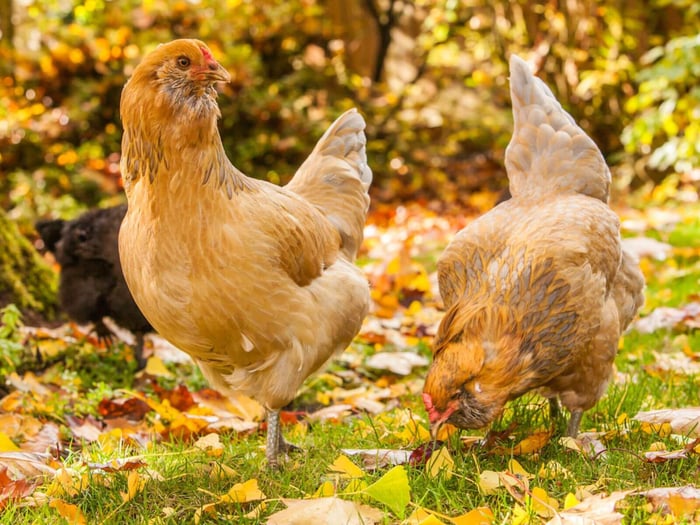
What truly sets them apart, though, is their individuality. These chickens come in all shapes, sizes, and feather colors. Some sport fluffy beards and muffs, while others have smooth, clean faces. No two Easter Eggers look exactly alike, and that’s part of the fun.
But their most enchanting quality? The colorful eggs they lay. They are capable of producing:
Sky blue eggs
Mint green eggs
Olive-toned eggs
Blush pink eggs
Each hen lays one consistent color throughout her lifetime, so if you want a true egg rainbow, consider adding several to your flock.
Why Do Easter Egger Chickens Lay Colored Eggs?
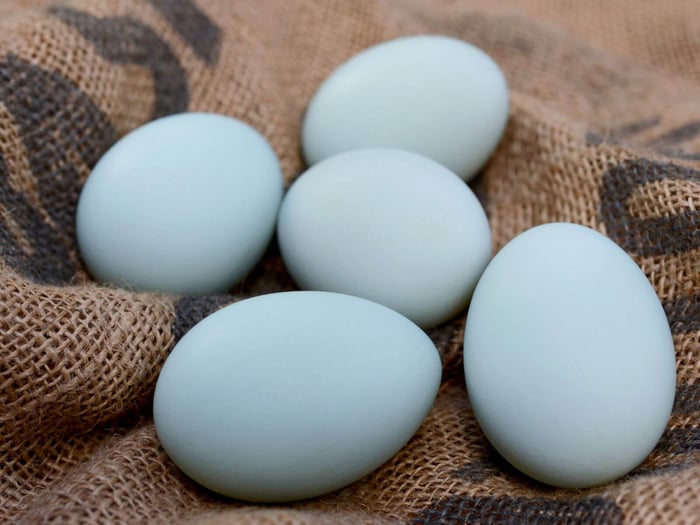
The answer lies in their genetics. Eggshell color is determined by pigments that are deposited as the egg moves through the hen’s oviduct. For this breed, two main pigments are at play:
Oocyanin: This pigment is responsible for the blue shell color. It’s produced early in the egg formation process and permeates the shell completely.
Protoporphyrin: This pigment causes brown coloring and is applied to the outer layer of the eggshell toward the end of formation.
When a hen carries both blue and brown egg genes, the result can be a range of green shades—from pale mint to deep olive. A lighter expression of the brown pigment can even result in pinkish or blush-colored eggs.
This unique genetic combination is what makes them so popular. You truly never know what egg color your hen will lay until she starts!
Easter Egger Personality: Friendly, Curious, and Easygoing
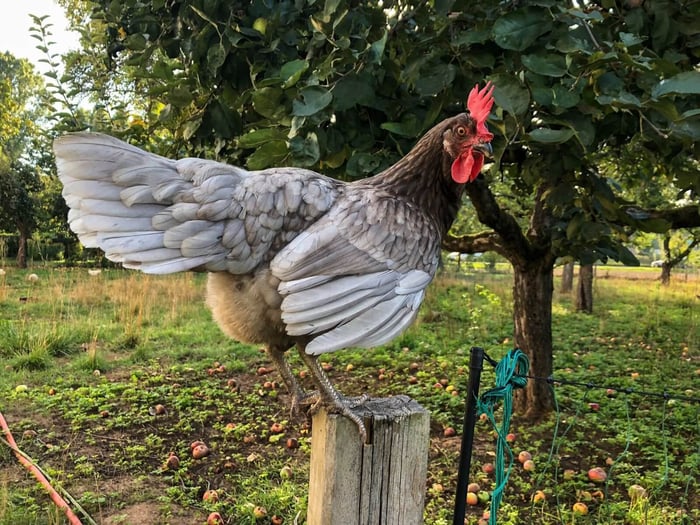
Beyond their egg colors, these chickens are beloved for their temperament. Easter Eggers are generally:
Docile and friendly, making them great for families with kids
Inquisitive and active, often exploring their surroundings
Hardy and adaptable, able to thrive in both cold and warm climates
They are great for first-time chicken keepers and seasoned flock owners alike. They typically lay around 4–5 medium to large eggs per week, offering a steady supply of colorful eggs without the need for artificial dyes or special care. They’re also relatively quiet compared to other breeds, making them a smart choice for urban or suburban backyards. Plus, their low-maintenance nature means you can enjoy the beauty of vibrant eggs without added hassle.
Easter Egger vs Ameraucana: What’s the Difference?
Often confused with Ameraucanas, there are some key differences to understand:
Easter Eggers:
are hybrids, meaning they are not a standardized breed
can lay blue, green, olive, or pink eggs
Easter Eggers vary widely in appearance
Ameraucanas:
Are a recognized breed with consistent traits
Lay blue eggs only
Have a more uniform look
Because Easter Eggers are hybrids, they are often more affordable, easier to find, and extremely popular for backyard flocks. Both breeds are friendly, cold-hardy, and well-suited for home chicken keeping, but also offer more variety when it comes to egg color.
These chickens are not only known for their colorful eggs, they’re also easy to care for, adaptable, and reliable layers, making them a favorite among backyard chicken keepers.
Egg production:
These chickens typically lay 4–5 eggs per week, or about 200–250 eggs per year. While they aren’t the highest-producing breed, they offer consistent laying and the added bonus of colorful eggs.
Egg size:
Most lay medium to large eggs, depending on the individual hen and her genetics.
Cold & heat tolerance:
These chickens are considered hardy and adaptable. They generally tolerate cold weather well, especially when provided with proper ventilation and dry bedding. In hot climates, they do best with shade, fresh water, and good airflow, as their feathering can vary from bird to bird.
Space needs:
Like most backyard chickens, this breed thrives with:
At least 4 square feet per bird inside the coop
8–10 square feet per bird in the run
More space helps reduce stress, supports healthy laying, and minimizes behavioral issues like feather pecking.
Lifespan:
With good care, chickens typically live 5–8 years, and many will continue laying eggs well into their later years.
Overall, this breed is considered great layers for beginner chicken keepers, offering steady egg production without demanding specialized care.
What Color Eggs Do Easter Egger Chickens Lay?
One of the most exciting things about these chickens is the surprise of egg color. Unlike standardized breeds, there’s no guaranteed way to predict what color eggs a hen will lay until she starts producing.
That being said, one of the biggest mysteries to these chickens is what color eggs they’ll produce. Unfortunately, there’s no surefire way to predict the color just by looking at the hen. Feather color, comb type, or leg color won’t tell you much about what’s coming.
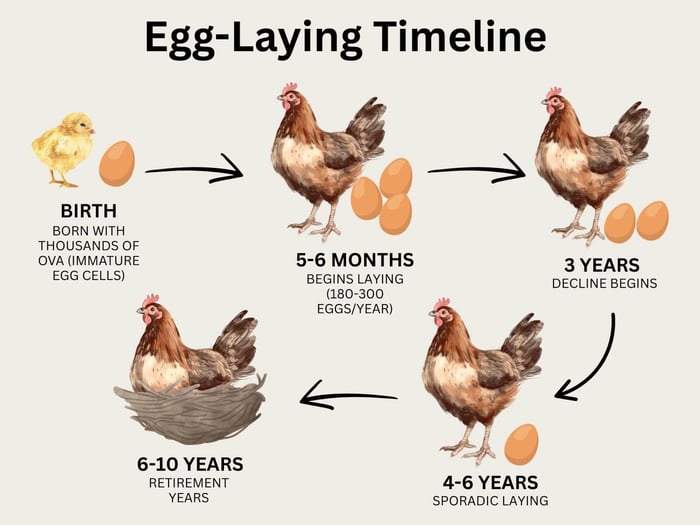
Hen typically start laying eggs between 5 to 7 months of age, though this can vary depending on the individual bird and environment. Once they start, most will lay reliably for several years. And when that first colored egg appears? It’s like finding a surprise gift in the nest box.
The only true answer: Wait and see. Once she starts laying, the color will stay consistent throughout her laying years. To increase your chances of a varied egg basket, consider getting Easter Eggers from different hatcheries or lineages.
Are Colored Chicken Eggs Different From Brown or White Eggs?
One of the most common questions new chicken keepers ask is whether colored eggs are somehow different from plain white or brown eggs. The truth is simple: the only real difference is the shell color.
Egg color is determined by a hen’s genetics. Breeds like Ameraucanas and Araucanas are famous for their blue eggs, while Easter Eggers can produce a mix of blue, green, pink, or olive shades. Traditional layers like Leghorns lay white eggs, while breeds such as Rhode Island Reds and Orpingtons are known for their brown tones.
No matter the shade—blue, green, brown, or white—the nutritional value and taste of the egg are the same. The yolk color and richness come from a hen’s diet, not the shell. A chicken eating greens, bugs, and a balanced layer feed will produce vibrant, healthy yolks whether the shell is sky blue or chocolate brown.
Colored eggs are simply a beautiful bonus of keeping backyard chickens. They don’t just make egg cartons more exciting—they also reflect the diversity of chicken breeds and the joy of raising your own flock.
Final Thoughts
If you're ready to add some serious color to your egg basket, look no further than the Easter Egger. These vibrant, friendly hens bring a natural pop of pastel right to your nesting boxes—no dye kits required and all the charm you could want. As your garden starts to bloom this spring, let your flock do the same with a rainbow of blue, green, olive, and pink eggs. Whether you're starting your first flock or adding to an established coop, this breed is a fun, functional, and beautiful way to brighten your mornings.
Curious about creating even more colorful eggs this spring? Check out our step-by-step guide to naturally dyed Easter eggs for a fun, chemical-free way to celebrate the season!
Easter Egger
$ 5.49
$ 7.99
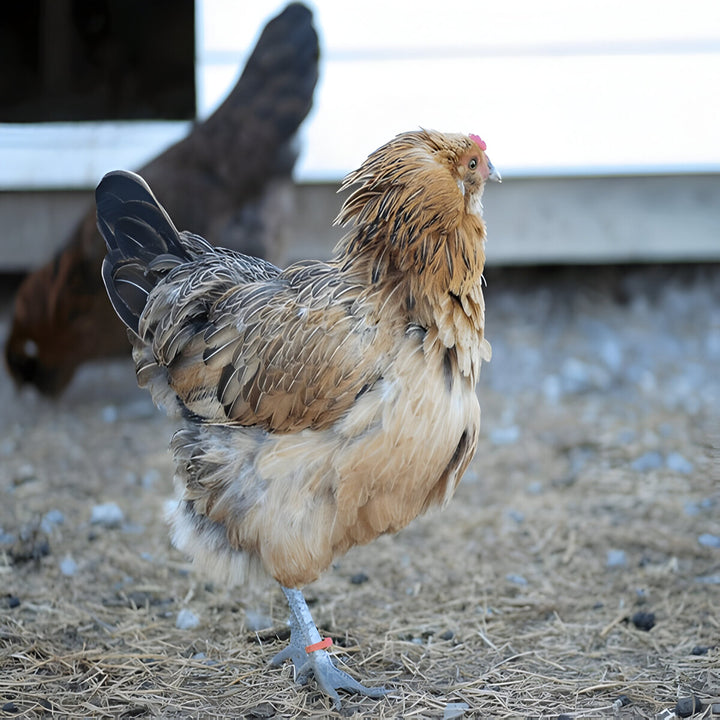
Easter Egger Chicken The Easter Egger chicken, originating from Chile in South America, was first discovered by the Araucana Indians. Unlike the true Araucana chicken, which is rumpless (tailless) and features small curling tufts of feathers near each ear, or… read more
Easter Egger™ Bantam
$ 6.49
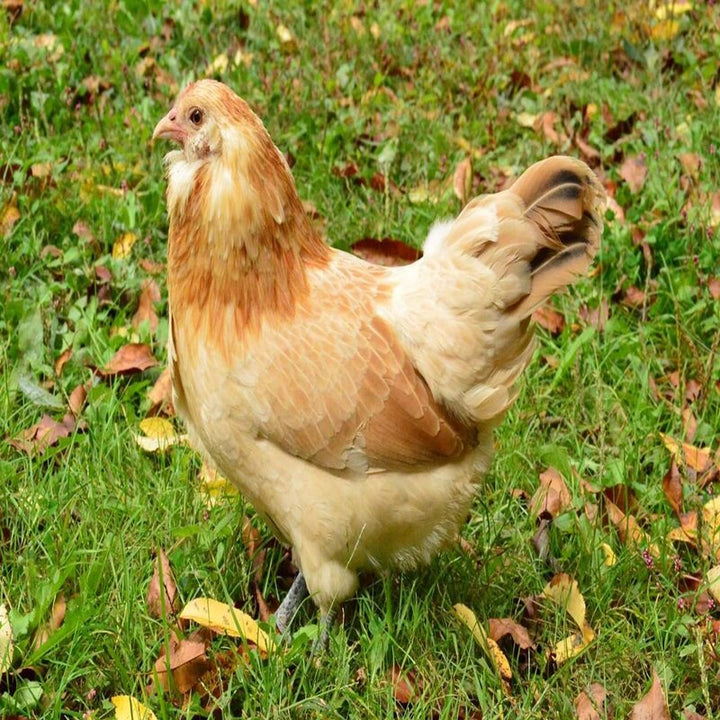
Easter Egger™ Bantam Chicken Looking for a colorful, egg-laying bantam chicken? The Easter Egger™ Bantam from Chicken Coop Company is a miniature version of the popular Easter Egger™ Standard chicken. While we don’t offer specific color varieties, each bird displays… read more
FAQs
Are Easter Egger chickens good for beginners?
Yes. Easter Egger chickens are friendly, hardy, and easy to care for, making them an excellent choice for first-time chicken keepers.
How many eggs do Easter Egger chickens lay per year?
Most Easter Eggers lay around 200–250 eggs per year, depending on diet, daylight, and care.
Do Easter Egger chickens lay blue eggs?
They can. Easter Eggers may lay blue, green, olive, or pink eggs depending on genetics.
Are Easter Eggers a real breed?
No. Easter Eggers are hybrids and are not considered a standardized chicken breed
At what age do Easter Eggers start laying eggs?
Like most chickens, Easter Eggers typically begin laying eggs around 5 to 7 months of age, depending on their environment, nutrition, and overall health