Table of Contents
- What Makes Chicken Manure Such a Powerful Fertilizer?
- Raw vs. Composted: Why You Can't Skip This Step
- How to Compost Chicken Manure (Hot vs. Cold Methods)
- How to Use Chicken Manure Fertilizer in Your Garden
- Which Plants Benefit Most from Chicken Manure?
- How Your Coop Setup Affects Fertilizer Quality
- Chicken Manure Fertilizer Mistakes to Avoid
- The Bottom Line on Chicken Manure Fertilizer
- FAQs
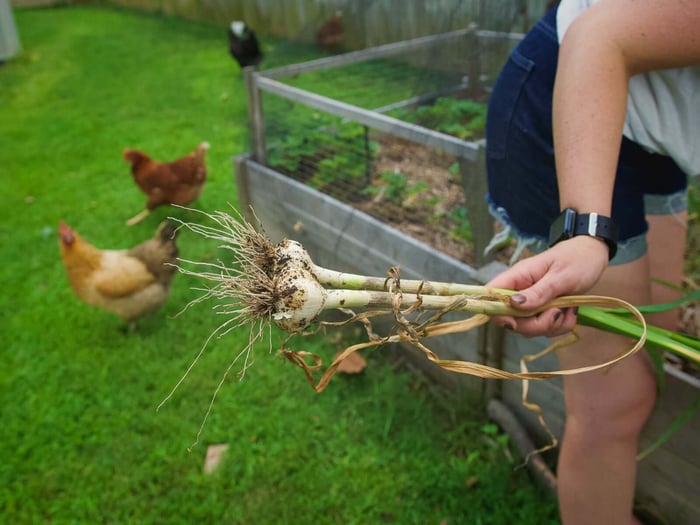
Chicken manure fertilizer is one of the most nutrient-dense, garden-transforming tools a backyard chicken keeper has — and most people are barely tapping its potential. If you keep backyard chickens, your flock is producing a steady supply of what gardeners have called "black gold" for generations. Fresh eggs get all the glory, but the science behind chicken manure and what it does for soil is just as impressive. Here's everything you need to know to use it right.
Gardeners have called chicken manure "black gold" for generations, and the science backs that up. Whether you're growing vegetables, fruit trees, or flower beds, understanding how to harness chicken manure fertilizer can genuinely transform your soil — and your garden.
Here's everything you need to know.
What Makes Chicken Manure Such a Powerful Fertilizer?
Not all animal manures are created equal. What sets chicken manure apart is its nutrient density — specifically its nitrogen content, which is higher than most other common animal manures.
Fertilizer value is measured using an N-P-K ratio: Nitrogen (N), Phosphorus (P), and Potassium (K). These are the three macronutrients plants need most.
Here's how chicken manure stacks up against other common options
| Manure Type | Nitrogen (N) | Phosphorus (P) | Potassium (K) |
| Chicken | 1.1% | 0.8% | 0.5% |
| Cow | 0.6% | 0.2% | 0.5% |
| Horse | 0.7% | 0.3% | 0.6% |
| Sheep | 0.9% | 0.5% | 0.8% |
Chicken manure wins on nitrogen — the nutrient most responsible for leafy, vigorous plant growth. It also delivers meaningful phosphorus, which supports root development and flowering, and potassium, which helps plants manage stress, water, and disease.
Beyond N-P-K, chicken manure contains calcium, magnesium, sulfur, and a range of micronutrients that synthetic fertilizers often skip entirely. Over time, it also improves soil structure — feeding the microbial life that makes healthy soil actually function.
Raw vs. Composted: Why You Can't Skip This Step
This is the part most people get wrong, and it matters.
Fresh chicken manure should never go directly onto your garden. Here's why:
- It's too "hot." Raw manure has a very high nitrogen concentration that can chemically burn plant roots and foliage — a process aptly called "nitrogen burn."
- It harbors pathogens. Fresh manure can contain harmful bacteria including Salmonella and E. coli, which can survive in soil and contaminate produce — especially root vegetables and leafy greens.
- It can contain weed seeds from undigested feed that will happily sprout in your garden beds.
Composting solves all three problems. The heat generated during active composting kills pathogens and weed seeds, and the process balances the nitrogen concentration so it becomes plant-safe.
How to Compost Chicken Manure (Hot vs. Cold Methods)
Hot Composting (Faster — 60 to 90 Days)
Hot composting is the gold standard for chicken manure because the internal pile temperatures (ideally 130–160°F) are high enough to kill pathogens quickly and break down material fast.
What you need:
- A balance of "greens" (nitrogen-rich materials) and "browns" (carbon-rich materials)
- Chicken manure counts as a green, so pair it with browns like straw, dried leaves, shredded cardboard, or wood shavings
- Aim for roughly a 2:1 ratio of browns to greens by volume
The process:
- Layer your materials — alternate between chicken manure/coop bedding and your carbon materials
- Keep the pile moist (like a wrung-out sponge — not soggy, not dry)
- Turn the pile every 3 to 5 days to introduce oxygen and maintain heat
- Monitor temperature with a compost thermometer; you want to sustain 130–160°F through the active phase
- The pile is ready when it's dark, crumbly, earthy-smelling, and no longer heating up — typically 60 to 90 days with regular turning
Pro tip: Cleaning out your coop is actually the perfect composting head start. When you use the Chicken Coop Poop Buster during your regular cleanouts, you're breaking down waste right at the source — which means the material headed to your compost pile is already partially broken down, reducing your composting time.
Cold Composting (Slower — 6 to 12 Months)
Cold composting is lower effort but takes longer. You simply pile your manure and coop bedding, keep it contained, and let it decompose naturally without turning.
The tradeoff: because pile temperatures stay lower, cold composting may not reliably kill all pathogens. For that reason, cold-composted chicken manure is better suited for ornamental beds, fruit trees, and shrubs than for vegetable gardens where produce contacts the soil directly.
How to Use Chicken Manure Fertilizer in Your Garden
Once your compost is ready, here's how to put it to work:
For Vegetable Gardens
Work 1 to 2 inches of finished compost into the top 6 inches of soil before planting. For established beds, top-dress with a half-inch layer and water it in. Vegetables are heavy feeders — they'll reward you for it.
For Fruit Trees and Shrubs
Apply a 2 to 3 inch ring of compost around the drip line (the outer edge of the canopy) in early spring. Avoid piling it directly against the trunk.
For Lawns
Spread a thin, even layer of finished compost and rake it into the grass. Best done in early spring or fall.
For Flower Beds
Mix compost into the soil at planting time, or use it as a mid-season top dressing for perennials and heavy bloomers.
How much is too much? More is not always better with chicken manure fertilizer. Over-application — even of composted material — can push nitrogen and phosphorus levels beyond what plants can use, which leads to runoff and can actually suppress plant growth. When in doubt, get a basic soil test before applying. Many university extension programs offer them inexpensively, and basic kits are available at garden centers.

Which Plants Benefit Most from Chicken Manure?
Chicken manure is particularly well-suited for:
- Nitrogen-hungry vegetables: Corn, leafy greens (kale, spinach, lettuce), broccoli, cabbage, and squash thrive with the nitrogen boost
- Fruit trees: Especially heavy producers like apple, pear, peach, and cherry
- Berry bushes: Blueberries, raspberries, and blackberries appreciate the organic matter
- Roses and dahlias: Both are heavy feeders that respond well to the full nutrient profile
Use with caution on plants that prefer low-nutrient or acidic conditions, like blueberries (check your pH first), native wildflowers, and succulents.
How Your Coop Setup Affects Fertilizer Quality
Here's something most gardeners don't consider: the quality of your chicken manure fertilizer starts in the coop.
The bedding you use matters. Straw and wood shavings absorb moisture and add carbon to the manure mix — which means by the time it's ready to compost, you already have a better-balanced pile to work with. A cleaner, well-maintained coop also means healthier chickens producing healthier manure.
That's where regular coop hygiene pays dividends beyond just flock health. Using a product like Chicken Coop Poop Buster during routine cleanouts helps break down waste and control ammonia — and it means the material you're pulling out is cleaner and better suited for composting. Less contamination, better compost, better garden.
Coop Poop Buster

$ 36.99
$ 39.99
POWERFUL CHICKEN COOP CLEANER – Effectively breaks down waste and helps maintain a cleaner, healthier environment for your flock. 8 OUNCES MAKES 1 GALLON – COST-EFFECTIVE & LONG-LASTING – A single 16oz concentrate bottle creates 2 gallons of solution, providing… read more
Chicken Manure Fertilizer Mistakes to Avoid
Using fresh manure on edible crops. Always compost first, especially for anything you're eating raw.
Adding too much at once. Chicken manure is potent. Apply conservatively and build up over seasons.
Skipping the soil test. If your soil is already high in phosphorus (common in long-used garden beds), adding more can cause problems. Test first.
Letting manure pile up with no plan. If you're not actively composting, raw manure can leach nutrients into groundwater and create runoff issues. Keep it contained and managed.
Not turning your pile. A static pile takes much longer to break down and may not reach the temperatures needed to kill pathogens. Turn it.
The Bottom Line on Chicken Manure Fertilizer
Your chickens aren't just producing eggs — they're producing one of the most effective natural fertilizers available. Chicken manure fertilizer is high in nitrogen, rich in essential micronutrients, and genuinely improves soil structure over time. The key is doing it right: compost it fully, apply it appropriately, and let the science work for you.
The backyard chicken keeper who also gardens has a real advantage here. You have a continuous, free supply of a premium soil amendment. All you have to do is manage it well — and your garden will show the difference.
Want to learn more about keeping a healthy, clean coop? Read our full guide: Chicken Poop 101: Manage Your Coop, Compost, and Garden Like a Pro
FAQs
How long does chicken manure need to compost before it's safe to use?
With hot composting and regular turning, chicken manure is typically ready in 60 to 90 days. Cold composting takes 6 to 12 months. You'll know it's ready when it's dark, crumbly, and smells earthy, not like manure.
Can I put chicken manure directly on my garden?
No, fresh chicken manure is too high in nitrogen and can burn plants and harbor harmful bacteria like Salmonella. Always compost it first before applying to any garden bed, especially where edible crops are growing.
How often should I apply chicken manure fertilizer?
Once or twice a season is typically sufficient for most garden beds. Because chicken manure is nutrient-dense, over-application can do more harm than good. A soil test before each season helps you apply only what your soil actually needs.
Is chicken manure better than store-bought fertilizer?
For long-term soil health, yes. Synthetic fertilizers deliver nutrients fast but do nothing for soil structure or microbial life. Composted chicken manure feeds your plants AND improves your soil over time, it's a compounding investment in your garden.
What's the best bedding to use if I also want good compost?
Straw and wood shavings are both excellent, they absorb moisture, add carbon to balance the nitrogen in manure, and break down well in a compost pile. The cleaner you keep your coop with regular clean-outs, the better quality material you're working with from the start.