Table of Contents
- Why Chickens Naturally Hunt Bugs
- The Nutritional Benefits When Chickens Eat Bugs
- Common Bugs Chickens Love to Eat
- How Chickens Help Control Garden Pests
- Free Ranging Encourages Natural Bug Hunting
- When Chickens Cannot Find Bugs Naturally
- A Few Bugs Chickens Should Not Eat
- Let Your Chickens Do What They Do Best
- FAQs
For many backyard chicken keepers, the arrival of warm weather brings a familiar sight. The grass is growing, the garden is waking up, and insects begin appearing everywhere. While bugs might frustrate gardeners and homeowners, your flock sees something entirely different: A treat! Chickens are natural foragers, and one of their favorite foods is insects. In fact, chickens eat bugs as part of their instinctive behavior. Long before backyard coops and commercial feed existed, chickens survived by roaming fields and forests looking for seeds, plants, and insects to eat.
Spring and summer make this behavior even more noticeable. As temperatures warm up, insect populations explode. Grasshoppers jump through the lawn, beetles emerge in garden beds, and flies and mosquitoes start buzzing around the yard. For chickens, this seasonal abundance becomes a natural buffet. It is one of the reasons chickens eat bugs so enthusiastically during warmer months.
For backyard chicken owners, this natural behavior provides benefits that go far beyond entertainment. When chickens eat bugs, they are not only feeding themselves a healthy source of protein. They are also helping control pests in your yard and garden.
In other words, your flock is working for you.
Why Chickens Naturally Hunt Bugs
Chickens may live in coops today, but their instincts still come from their wild ancestors. Chickens evolved as ground foragers, meaning they are constantly searching the soil and grass for small edible items.
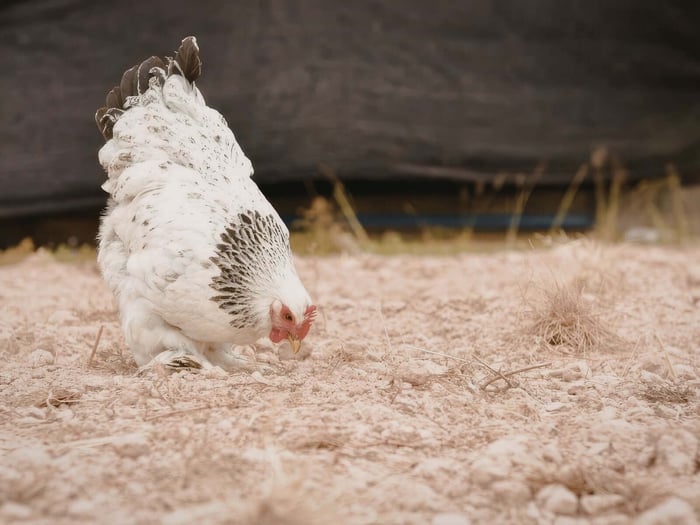
If you watch your flock for a few minutes, you will likely see a pattern. Chickens scratch the ground with their feet to uncover food. Then they peck quickly at whatever appears underneath.
Often, that food is an insect.
This behavior is deeply ingrained. Chickens eat bugs because insects provide an easy, protein rich snack that is readily available in nature. Unlike seeds or plants that must be found in specific areas, insects move through grass, gardens, compost piles, and pasture.
To a chicken, every patch of ground is an opportunity to find something tasty.
Even chickens that are well fed will still spend time hunting bugs. It is not only about hunger. Foraging keeps chickens mentally stimulated and physically active, which leads to healthier and happier birds.
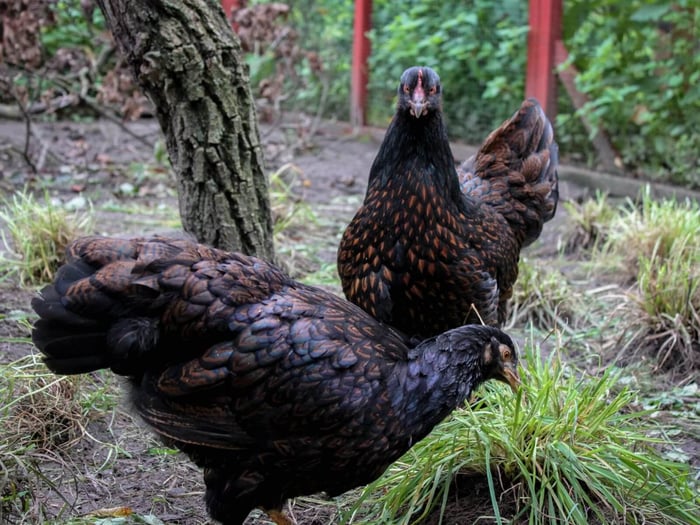
The Nutritional Benefits When Chickens Eat Bugs
Insects are far more than just a snack. When chickens eat bugs, they gain access to an excellent source of natural nutrition.
Many insects are packed with protein, which plays an important role in egg production, feather growth, and overall health. Insects also contain beneficial fats and micronutrients that support a balanced diet.
Some common nutritional benefits include:
Protein for strong egg production
Healthy fats that support energy levels
Natural amino acids important for feather health
Minerals and nutrients found in insect bodies
This is one reason chickens that are allowed to forage often appear more active and vibrant. When chickens eat bugs regularly, they are supplementing their diet with natural nutrients that mimic what chickens would eat in the wild.
While commercial chicken feed should still be the main source of nutrition for your flock, insects are a fantastic natural supplement.
Common Bugs Chickens Love to Eat
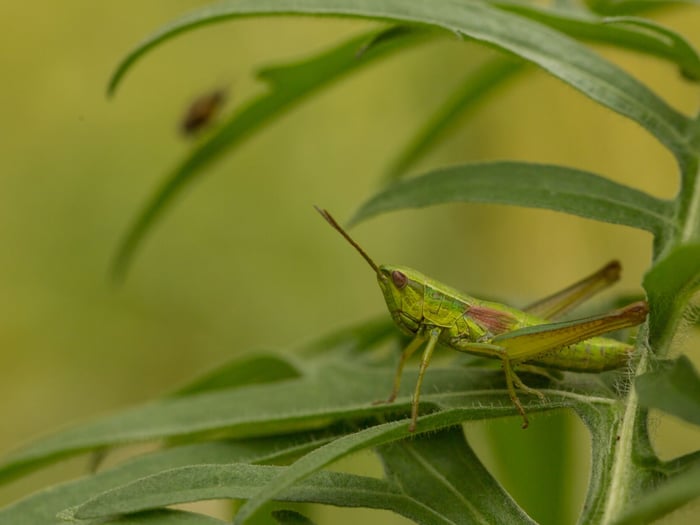
If you have ever wondered what bugs do chickens eat, the answer is quite a lot of them. Chickens are opportunistic eaters and will happily chase down many different types of insects.
Some of the most common insects chickens enjoy include:
Grasshoppers
Grasshoppers are one of the most exciting snacks for chickens. If you have ever watched a chicken chase one across the yard, you know how entertaining it can be. Chickens eat bugs like grasshoppers whenever they get the chance because they are large, easy to spot, and full of protein.
Beetles
Garden beetles are another favorite. Chickens scratch through soil and mulch looking for beetles hiding underneath leaves or debris.
Worms
While technically not insects, worms are a prized treat for chickens. When chickens eat bugs and worms together, they are getting a natural combination of protein and nutrients.
Crickets
Crickets are a natural part of many chickens' diets, especially in warmer climates.
Flies and Fly Larvae
Chickens love to eat flies and the larvae that develop in compost piles or manure areas. This can actually help reduce fly populations around your coop.
Caterpillars
Many caterpillars that damage plants become easy meals for chickens.
Ticks
Ticks are another pest that chickens will gladly eat. Allowing chickens to forage in grassy areas may help reduce tick populations around your yard.
All of these insects are examples of why chickens eat bugs so enthusiastically. To a chicken, the yard is full of tiny moving meals waiting to be discovered.
How Chickens Help Control Garden Pests
One of the biggest benefits when chickens eat bugs is their ability to act as natural pest control.
Gardeners spend countless hours trying to protect plants from insects that damage crops. Beetles chew through leaves, caterpillars devour vegetables, and grasshoppers can destroy entire plants.
Chickens can help.
When chickens eat bugs around your yard, they naturally reduce the population of many common garden pests. Their constant scratching and pecking exposes insects hiding in soil, mulch, and plant debris.
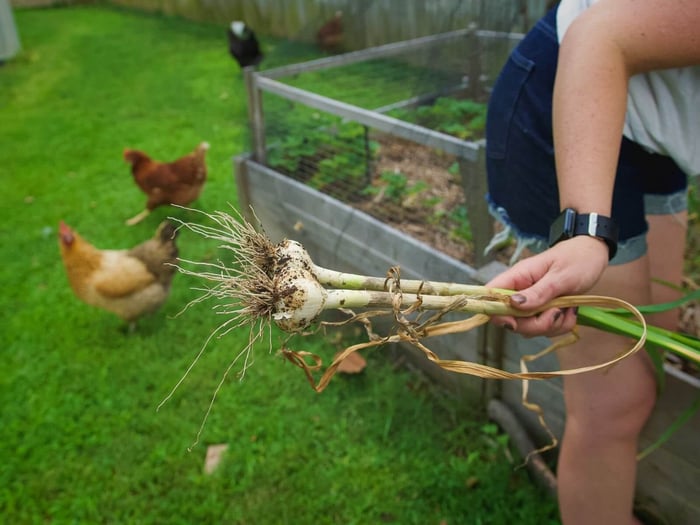
Some gardeners even allow chickens to patrol garden beds during certain parts of the year. Before planting season or after harvest, chickens can clean up insects that might otherwise overwinter in the soil.
However, timing is important. Chickens love plants just as much as bugs, so they should be kept out of actively growing vegetable beds unless carefully supervised.
Even when chickens are simply free ranging near the garden, their appetite for insects can help reduce pest pressure.
Free Ranging Encourages Natural Bug Hunting
If you want to see just how enthusiastically chickens eat bugs, allow them safe opportunities to forage.
Free ranging gives chickens access to grass, soil, and plants where insects naturally live. This allows them to express their instinctive behaviors while finding natural snacks throughout the day.
Many backyard chicken keepers choose to allow supervised free ranging in the yard. Others prefer to use large chicken runs that provide plenty of space for foraging while protecting birds from predators.
Walk in chicken runs can be especially helpful for this purpose. They allow chickens to scratch through grass, soil, and compost areas while still remaining safely enclosed.
Whether your flock free ranges occasionally or spends most of its time in a run, providing areas where chickens can forage will encourage them to hunt insects.
When Chickens Cannot Find Bugs Naturally
Allowing chickens to forage is one of the best ways to encourage natural behavior. When chickens eat bugs while scratching through grass and soil, they are getting both enrichment and a boost of natural protein.
However, not every flock has access to open pasture or a large backyard. Many backyard chickens spend most of their time in a run for safety or to protect garden spaces.
That does not mean they have to miss out on the benefits.
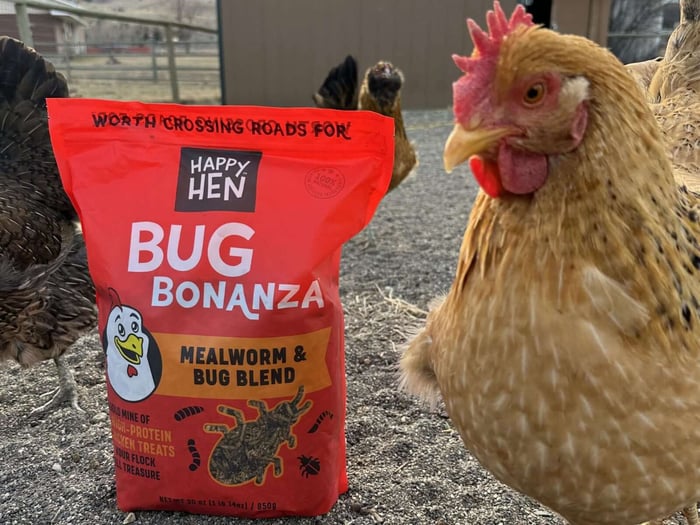
Insect based treats are an easy way to add those nutrients back into their diet. Bug Bonanza contains dried insects that provide a protein rich snack chickens naturally love.
Sprinkling it into bedding or grass can even encourage the same scratching and searching behavior chickens use when they hunt for insects outdoors.
Bug Bonanza Chicken Treats

$ 29.99
Your backyard chickens deserve the best, and Bug Bonanza Chicken Treats by Happy Hen Treats are packed with premium nutrition to keep your flock happy, active, and thriving. This high-protein poultry treat is made from a wholesome blend of dried… read more
A Few Bugs Chickens Should Not Eat
While chickens eat bugs naturally, there are a few insects that should be avoided.
One well known example is the firefly. Fireflies contain toxins that can be harmful to chickens if consumed.
In addition, insects that have been exposed to pesticides can also pose risks. If your yard or garden is treated with chemical sprays, it is best to be cautious about allowing chickens to forage in those areas.
Fortunately, most insects chickens encounter in natural environments are perfectly safe. Chickens have evolved to identify and consume many types of bugs as part of their diet.
Let Your Chickens Do What They Do Best
Watching chickens hunt insects is one of the most entertaining parts of keeping a flock. Their quick reactions, curious personalities, and constant scratching make it clear that this behavior is deeply instinctive.
When chickens eat bugs, they are doing exactly what nature designed them to do. They are feeding themselves nutritious protein, staying mentally stimulated, and helping reduce pests around your yard.
For backyard chicken keepers, this is one of the many small benefits that come with raising a flock. Instead of seeing bugs as a problem, your chickens see opportunity.
So when spring and summer arrive and the insects start appearing again, your flock will be ready.
Bring on the bugs!
FAQs
Do chickens eat bugs naturally?
Yes. Chickens eat bugs as part of their natural foraging behavior. Insects provide protein and nutrients that support overall health.
What bugs do chickens eat most often?
Chickens will eat (or try to eat) almost any bug they can catch! Common insects chickens eat include grasshoppers, beetles, worms, crickets, caterpillars, flies, and ticks.
Is it healthy when chickens eat bugs?
Yes. Insects provide protein and natural nutrients that supplement a chicken’s diet and support egg production and feather growth.
Do chickens help control pests in the garden?
Yes. When chickens eat bugs, they can reduce populations of common pests like beetles, grasshoppers, and caterpillars.
Should chickens rely only on bugs for food?
No. While chickens eat bugs as a supplement, their primary nutrition should still come from a balanced chicken feed.